
How to Decontaminate After Nuclear Fallout: A Step-by-Step Home Protocol
How to decontaminate after nuclear fallout: remove clothing, wash safely, isolate contaminated items, and cut radiation dose fast with a clear home protocol.
Staff Reporting and Analysis. Produces source-backed reporting, explainers, and reference pages on nuclear risk, proliferation, and escalation dynamics.
Key Sources
Start with the strongest supporting documents and reporting behind this page.
Primary Documents
Start with the strongest official or documentary records behind this explainer.
Where This Matters Now
Recent articles where this concept is actively shaping the current crisis.
In Current Coverage
Hiroshima and Nagasaki: What Happened When the Bombs Fell
On August 6 and 9, 1945, U.S. atomic bombs devastated Hiroshima and Nagasaki. Here is what happened, who died, and what radiation did after.
2026-03-03
In Current Coverage
Tsar Bomba: The Biggest Nuclear Weapon Ever Tested
Tsar Bomba, tested by the Soviet Union on October 30, 1961, yielded about 57 megatons, becoming the most powerful man-made explosion ever recorded.
2026-03-03
In Current Coverage
What Would Happen If Nuclear War Started? A Step-by-Step Guide
What happens if nuclear war starts? From first launch to nuclear winter: blast zones, fallout, infrastructure collapse, and long-term survival risks.
2026-03-03
Related Comparisons
Comparison pages that show how this concept plays out across rivalries, arsenals, and crisis analogies.
Related Concepts
Companion explainers that deepen the strategic logic around this topic.
Concept
Radiation Dose Chart: Levels and Risks
Radiation dose chart guide: compare mSv, rem, Gy, symptoms, and emergency action thresholds before you act.
2026-05-27
Concept
Nuclear Fallout Map: How to Read One
Nuclear fallout map guidance: read wind plumes, timing, and shelter zones without false certainty. Learn the signals that matter.
2026-05-13
Concept
Nuclear Flash Blindness Distance: Safety Guide | NukeClock
Nuclear flash blindness distance explained: day vs night ranges, eye injury risk, and immediate actions that reduce harm after a nuclear detonation.
2026-05-11
How to decontaminate after nuclear fallout is a time-sensitive process that reduces preventable radiation dose by removing radioactive particles from your body, clothing, and immediate indoor environment before they spread. Official guidance from Ready.gov, the CDC, and the EPA converges on the same first principles: get inside fast, keep fallout dust out of your breathing zone, and use controlled cleaning steps instead of panic actions that re-aerosolize contamination.
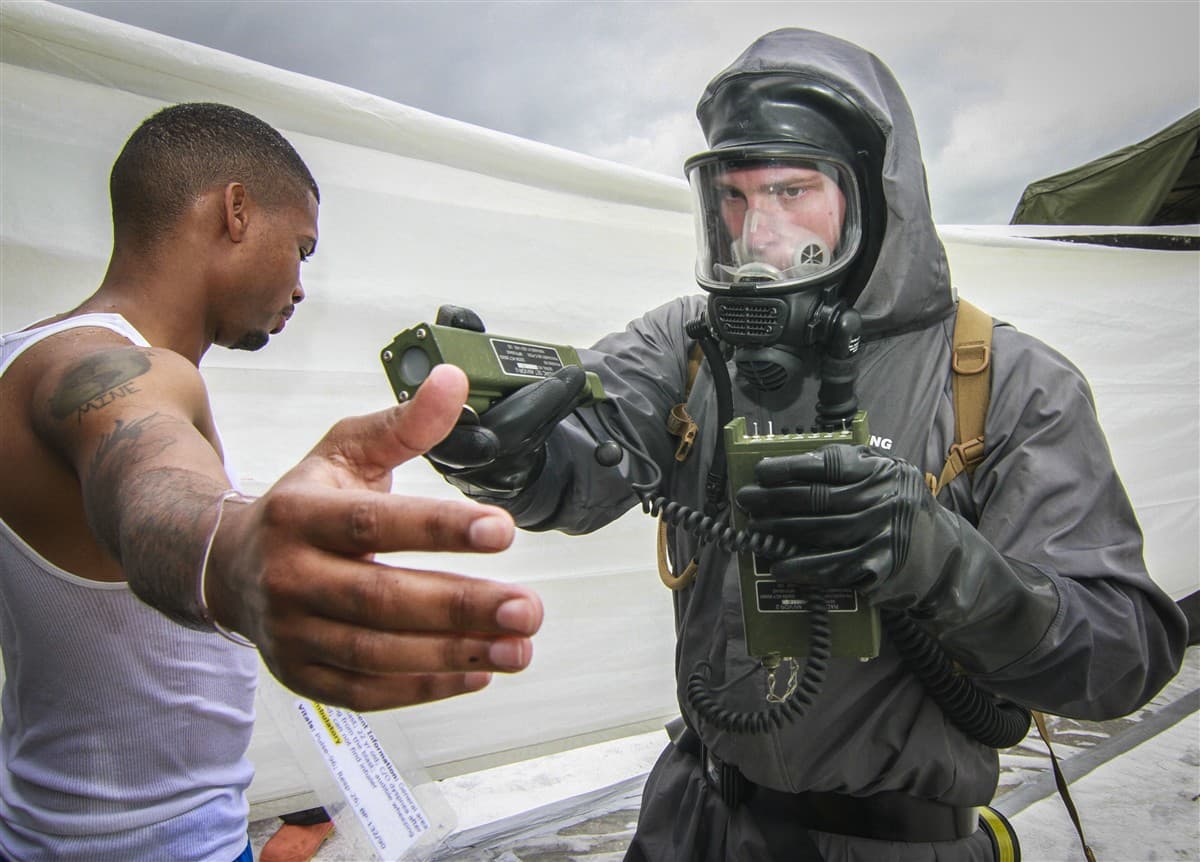
How do you decontaminate after fallout exposure in the first 30 minutes?
The first half-hour determines whether fallout particles stay localized or spread through your shelter space. A calm, ordered sequence works better than aggressive scrubbing or hurried movement.
Minute-by-minute first-response sequence
| Time window | Priority action | Why it matters |
|---|---|---|
| 0-5 minutes | Move indoors, close doors/windows, turn off outside-air ventilation | Stops additional fallout intake |
| 5-10 minutes | Remove outer clothing, shoes, hat, bag | Can remove most loose contamination |
| 10-20 minutes | Seal clothing in a bag and isolate near entry area | Prevents redistribution into living spaces |
| 20-30 minutes | Shower with lukewarm water + mild soap, then change into clean clothes | Removes particles from skin/hair and reduces ongoing dose |
If you are still deciding whether to evacuate or remain sheltered, use What to Do During Nuclear Alert first, then return to this decontamination protocol once you are in your selected shelter location.
Why removing clothing first is the highest-value decontamination step
Fallout contamination is usually external at first: dust on fabric, shoes, and exposed skin. That means the cheapest and fastest dose reduction is mechanical removal before water is even used.
Practical clothing-removal rules that lower spread risk
- Remove outer layers gently, rolling fabric away from your face.
- Avoid pulling contaminated shirts over your nose and mouth when possible; cut garments off if needed.
- Place items in plastic bags or lined bins, seal, and label with date/time.
- Keep contaminated bags away from HVAC intakes, food, and sleeping areas.
- Wash hands immediately after handling bagged items.
A common error is shaking jackets or pants before bagging. That can suspend particles in air, increasing inhalation risk. Slow handling is safer than fast handling.
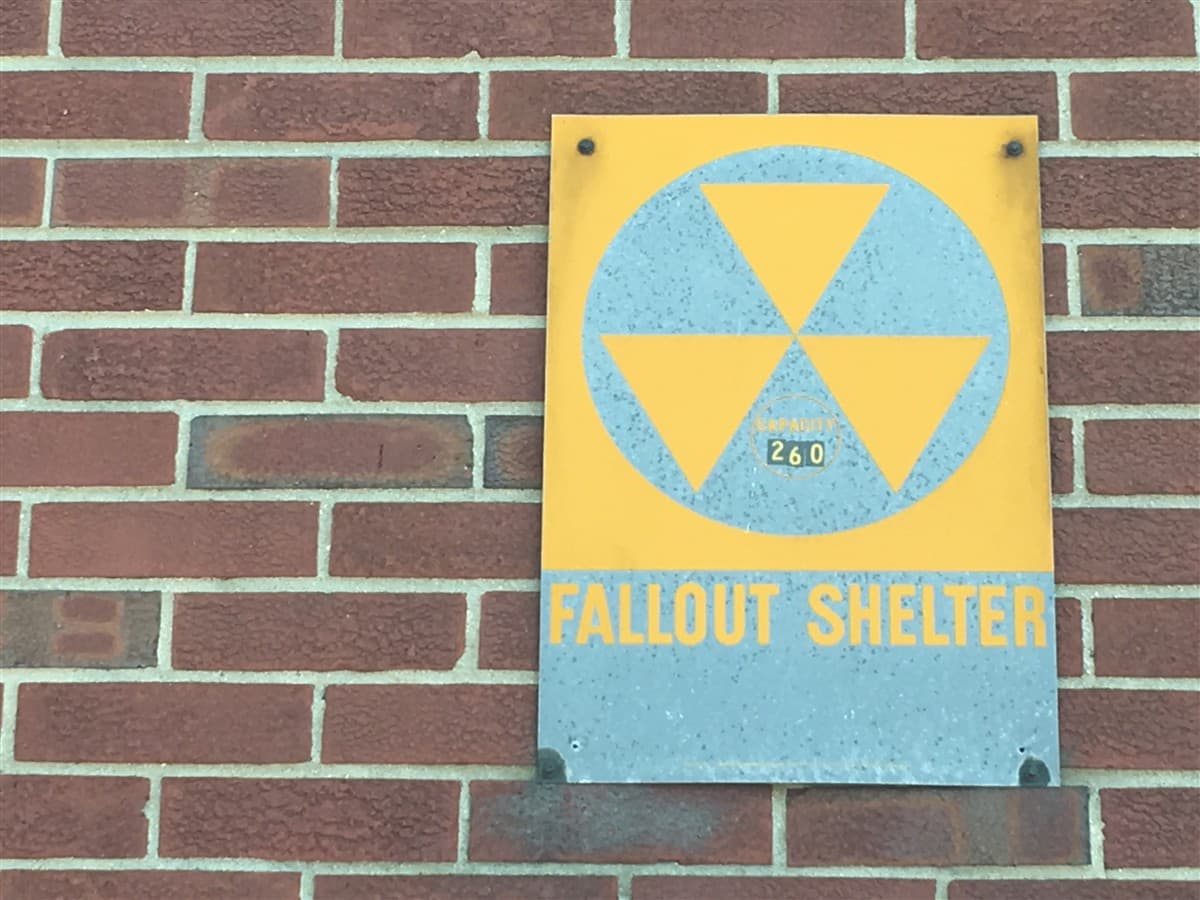
Should you shower after radioactive dust exposure?
Yes, when water is available and shelter conditions permit, showering is a core part of radiation decontamination at home. But technique matters.
Shower method that minimizes skin uptake and spread
- Use lukewarm water, not very hot water. Hot water can irritate skin and may increase absorption in damaged areas.
- Use gentle soap and your hands; avoid harsh scrubbing that abrades skin.
- Focus on hairline, behind ears, neck folds, hands, and under nails where particles collect.
- Rinse from head downward so contamination flows off the body.
- Pat dry with clean towels; do not rub aggressively.
Why conditioner is discouraged in radiation decontamination
Conditioners and some hair products can bind particles to hair shafts, making contamination harder to remove. Use shampoo only, then rinse thoroughly. If no shower is available, use wet cloth wiping plus handwashing and prioritize a full shower as soon as feasible.
For broader context on contamination behavior and dose timing, cross-reference Nuclear Fallout Explained and Radiation Sickness Symptoms Timeline.
How to set up a two-zone fallout decontamination area at home
Most households can create a workable decontamination corridor with basic materials. The goal is one-way movement from "dirty" to "clean".
Zone model
| Zone | Location | Allowed items | Key rule |
|---|---|---|---|
| Dirty zone | Entryway, mudroom, garage corner, or near door | Outerwear, shoes, bags, contaminated cloths | Nothing from this zone moves into sleeping/food areas unless cleaned |
| Clean zone | Interior room with minimal traffic | Clean clothing, bedding, food, medication, radios | Only decontaminated people and cleaned essentials enter |
Fast setup checklist
- Trash bags or contractor bags for contaminated items.
- Painter tape or floor marker to define boundary.
- Disposable gloves if available.
- A dedicated "dirty towel" container.
- Hand sanitizer + soap + written protocol card.
This zone setup is also useful in longer incidents where multiple people may return from short outdoor tasks. Everyone follows the same route, reducing procedural errors.
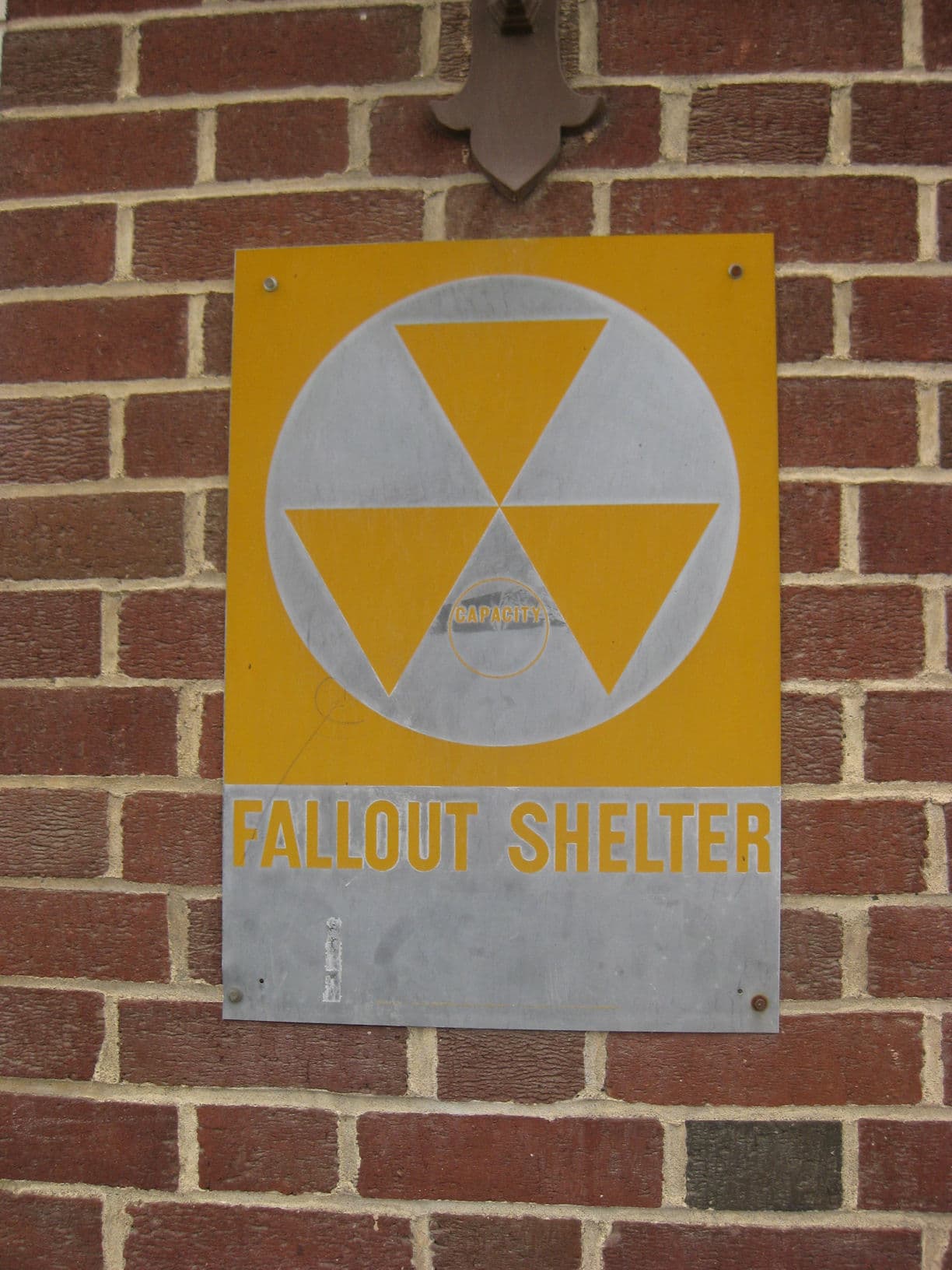
What do you do with contaminated clothes after fallout?
Contaminated clothing is a management problem, not a panic problem. If properly sealed and isolated, it is less likely to cause immediate ongoing exposure.
Clothing decision matrix
| Item type | Immediate handling | Reuse possibility |
|---|---|---|
| Outerwear with visible dust | Bag, seal, isolate | Potentially reusable after official guidance and controlled washing |
| Shoes/boots | Wipe exterior, bag if heavily contaminated | Often reusable if decontaminated and monitored |
| Delicate fabrics | Seal and isolate | Lower priority to salvage in acute phase |
| Children's soft toys | Bag separately, label | Clean/release only after contamination risk evaluation |
Do not run potentially contaminated items through shared laundry immediately unless local authorities provide specific instructions that indoor contamination risk is controlled. In early response windows, isolation is usually safer than rushed laundering.
How to clean surfaces without spreading fallout particles
Once people are decontaminated, attention shifts to fallout contamination cleanup inside the shelter perimeter. The principle is capture-and-contain, not dry sweeping.
Safer indoor cleaning sequence
- Wear gloves and a mask if available.
- Use damp cloths or disposable wipes on hard surfaces.
- Clean high-contact surfaces first: handles, switches, faucet controls, phones.
- Replace cleaning water frequently rather than reusing heavily soiled water.
- Bag used wipes, gloves, and disposable filters in sealed waste bags.
Avoid these methods in the first phase
- Dry sweeping or vigorous brushing.
- Standard vacuuming without HEPA filtration.
- Compressed-air cleaning.
- Shaking rugs or blankets indoors.
These actions re-aerosolize particles and can increase inhalation dose. Controlled damp cleaning is slower but safer.
Internal vs external contamination: why this distinction changes priorities
External contamination is fallout on skin, hair, clothes, and surfaces. Internal contamination means particles were inhaled, swallowed, or entered wounds. Home decontamination is strongest for external contamination.
Priority implications
| Contamination type | Primary action | Home limitation |
|---|---|---|
| External | Remove clothing, wash, isolate items | Highly effective when done early |
| Internal | Medical triage and official monitoring | Home cleanup cannot reverse absorbed dose |
If someone has persistent vomiting, respiratory distress, bleeding, or altered mental status after suspected exposure, escalate to emergency guidance immediately. Use official channels for location-specific instructions because transport routes and receiving facilities may be controlled during a radiation event.
How long should you stay sheltered after you decontaminate?
Decontamination is not the same as "all clear." You still need to manage time-based radiation decay outside.
According to HHS REMM and federal emergency guidance, fallout intensity drops sharply over time, often summarized by the 7:10 rule: every sevenfold increase in time reduces dose rate by roughly tenfold. That makes early sheltering strategically valuable even if conditions feel stable after cleaning.
Practical timeline for most households
- First 24 hours: Stay sheltered unless authorities direct movement.
- 24-48 hours: Continue sheltering while monitoring official updates and local dose information.
- After 48 hours: Follow locality-specific guidance for limited movement, supply runs, or relocation corridors.
If you need shelter logistics, Nuclear Shelter Checklist gives a concrete inventory model for water, sanitation, medication, and communication continuity.
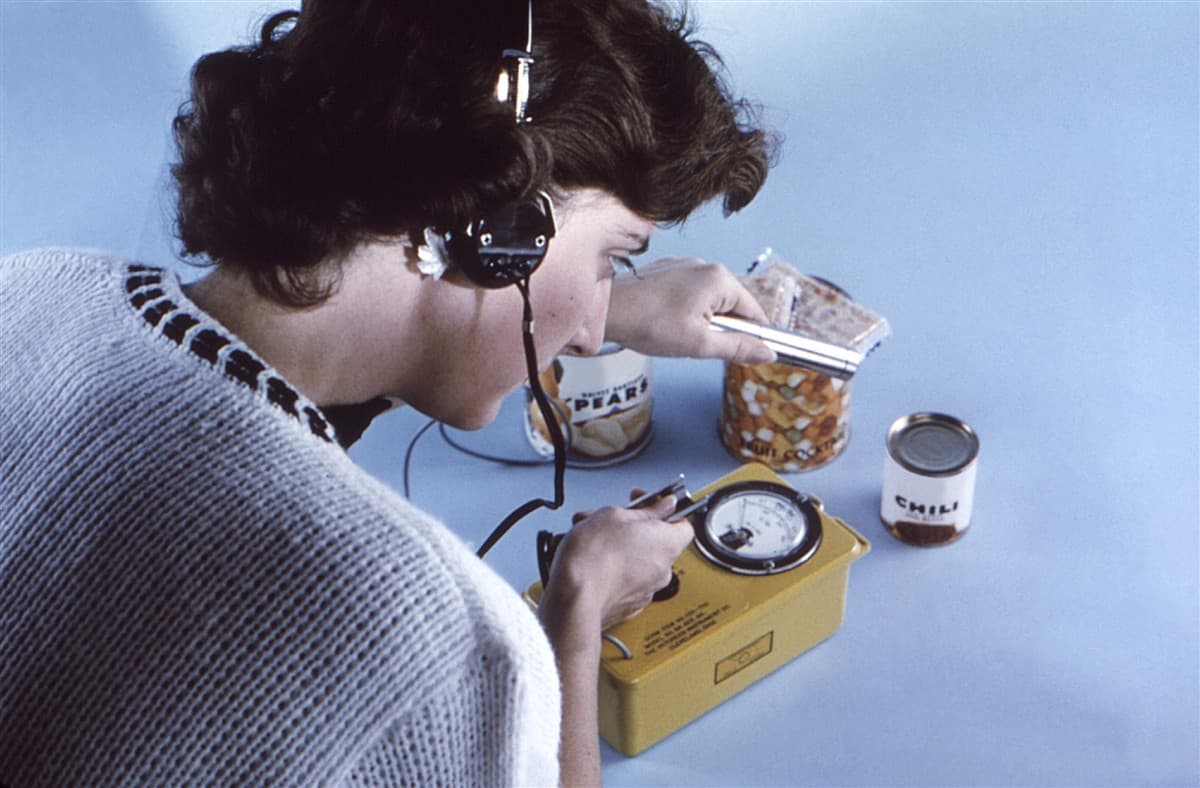
Decontamination for children, older adults, and people with mobility limits
Household protocols fail when they assume everyone can execute the same steps at the same speed. Adapt the workflow by role.
Child-focused adjustments
- Assign one adult as decontamination lead and one as clean-zone support.
- Keep instructions short and repetitive: "shoes off, jacket off, shower, clean clothes."
- Pre-stage child-size clean clothing and comfort items in the clean zone.
Older adult and mobility adaptations
- Use seated washing options (shower chair or stable stool).
- Prioritize exposed areas first if full showering is delayed.
- Reduce fall risk by drying floors and using non-slip mats.
- Keep assistive devices in a defined transition area and wipe handles before moving them into the clean zone.
Medical-device considerations
- Wipe external surfaces of inhalers, blood pressure cuffs, and glucose kits before clean-zone transfer.
- Keep spare battery-powered devices in sealed clean storage.
- Document medication timing during the event; stress and fatigue increase dosing errors.
Common mistakes that increase fallout dose at home
Most avoidable dose comes from routine mistakes, not lack of expensive gear.
| Mistake | Why it increases risk | Better alternative |
|---|---|---|
| Waiting outside for more information | Extends direct fallout contact time | Enter shelter immediately, verify updates indoors |
| Scrubbing skin aggressively | Damages skin barrier | Gentle soap-and-rinse approach |
| Mixing dirty and clean laundry | Spreads contamination | Seal and isolate first |
| Eating before hand/face decon | Ingestion pathway | Decontaminate hands and face before food handling |
| Letting pets roam between zones | Tracks particles throughout shelter | Wipe paws/fur and keep pet area controlled |
A useful operational rule is: if an action makes dust airborne, pause and redesign the step.
Minimum supply kit for fallout decontamination
Preparedness does not require specialized military equipment. A practical civilian kit supports process consistency.
Suggested decontamination kit
| Category | Baseline item | Why it helps |
|---|---|---|
| Containment | Heavy-duty trash bags + ties | Isolates contaminated clothing/waste |
| Hygiene | Mild soap, shampoo, clean towels | Core skin/hair decon tools |
| PPE | Gloves, basic masks | Reduces hand-to-face transfer |
| Surface cleanup | Disposable wipes, spray bottle, buckets | Damp-cleaning workflow |
| Documentation | Marker, labels, waterproof notepad | Tracks contaminated items and symptom timing |
| Communication | NOAA/weather radio, power bank | Maintains access to official instructions |
Pair this kit with your broader emergency setup so it is not separated from water and medication stores.
Decision framework: shelter in place, relocate later, or seek care now
Decontamination supports all three decisions but does not replace strategic judgment. Use a structured trigger model.
Immediate medical escalation triggers
- Repeated vomiting within hours of confirmed high-risk exposure.
- Neurologic symptoms: confusion, severe weakness, altered consciousness.
- Breathing difficulty after dust inhalation.
- Open wound contamination with embedded debris.
- Inability to keep fluids down.
Relocation triggers (only when authorities direct)
- Official evacuation corridor opened with monitored route.
- Shelter integrity failure (fire, major structural damage, uncontrollable flooding).
- Medical dependency that cannot be sustained in place.
Stay-and-monitor triggers
- Stable shelter conditions.
- Successful initial decontamination completed.
- Access to communication and essential supplies.
In most scenarios, premature self-evacuation through uncertain fallout patterns is riskier than disciplined sheltering plus repeated official-check intervals.