Middle East Conflict & Security
Tracking the 2026 Middle East security crisis across Gulf, Levant, and Red Sea theaters, including proxy activity, force posture, and escalation signals.
59 articles · 41 explainers · 4 situation reports
Latest linked update Jun 5, 2026.
Staff Reporting and Analysis. Produces source-backed reporting, explainers, and reference pages on nuclear risk, proliferation, and escalation dynamics.
Start Here
Start with the background explainer, then move into the newest analysis and briefing pages tied to this topic.
Background
What Is Mutually Assured Destruction (MAD)?
What is mutually assured destruction (MAD)? We explain the doctrine, Cold War logic, modern criticisms, and why MAD still shapes nuclear strategy.
Reviewed Mar 3, 2026
Latest Analysis
Iran War Timeline 2026: Escalation From Talks to Open Conflict
A step-by-step Iran war timeline from late-2025 diplomatic breakdown to Operation Epic Fury, retaliatory strikes, Hormuz disruption, and ongoing escalation.
Mar 3, 2026
Daily Brief
SitRep Day 1 — Operation Epic Fury Begins
Day 1 SitRep: Operation Epic Fury began with widespread strikes, leadership decapitation in Tehran, and major hits on Iran's nuclear infrastructure.
Day 1 · Feb 28, 2026
Reference Profile
United States Nuclear Forces and Military Power Profile
US nuclear force profile covering warheads, triad modernization, and global posture in the 2026 crisis environment.
5,044 warheads
Key Comparisons
Use these comparison pages to understand rivalry balance, precedents, and relative capability inside this topic.
Comparison
Iran War vs Iraq War: How the 2026 and 2003 Conflicts Compare
Iran 2026 vs Iraq 2003 compared across legal authority, coalition structure, force design, economic shock, and the central role of nuclear risk.
Mar 3, 2026
Comparison
Iran vs Israel Military Power: A Complete 2026 Comparison
Iran vs Israel military comparison across manpower, airpower, missile inventories, defense spending, and the nuclear deterrence balance in 2026.
Mar 3, 2026
Comparison
US Military vs Iran Military: A Complete 2026 Comparison
US vs Iran military comparison across personnel, air and naval power, missiles, budgets, and how asymmetry shapes escalation outcomes in 2026.
Mar 3, 2026
Related Doctrines
These explainers give the strategic concepts behind the events, rivalries, and escalation patterns in this topic.
Doctrine
What Is Mutually Assured Destruction (MAD)?
What is mutually assured destruction (MAD)? We explain the doctrine, Cold War logic, modern criticisms, and why MAD still shapes nuclear strategy.
Explainer · Mar 3, 2026
Doctrine
What Are Proxy Wars?
What is a proxy war? Learn how major powers fight through partners, why this model persists, and how Iran's network affects today's Middle East escalation.
Explainer · Mar 3, 2026
Doctrine
What Is the Strait of Hormuz?
What is the Strait of Hormuz? A practical explainer on its geography, oil-flow importance, military vulnerability, and global economic consequences of closure.
Explainer · Mar 3, 2026
Key Sources For This Topic
Start with the strongest supporting documents and reporting behind this page.
Primary Documents For This Topic
These are the strongest direct records currently surfaced from the pages linked into this topic cluster.
A Multi-Theater War
The 2026 US-Iran conflict is not a bilateral war — it is a regional conflagration spanning at least six countries and three maritime theaters. What began as targeted strikes on Iranian nuclear facilities on February 28 escalated within 72 hours into the most geographically dispersed Middle Eastern conflict since World War II.
Active fronts as of March 2, 2026:
- Iran — US-Israeli strikes across 24 of 31 provinces, 1,250+ targets hit
- Persian Gulf — Strait of Hormuz blockade, naval engagements, mine warfare
- Iraq — Iranian-backed militia attacks on US bases at Al Asad and Erbil
- Lebanon-Israel border — Hezbollah rocket barrages into northern Israel, IDF counter-operations
- Yemen / Red Sea — Houthi anti-ship attacks disrupting 12% of global trade
- Jordan / Saudi Arabia — Iranian drone and missile strikes on US-allied installations
No single command structure controls all of these fronts. Iran's proxy network — Hezbollah, the Houthis, Iraqi Shia militias — operates with varying degrees of autonomy from Tehran, making escalation dynamics unpredictable.
Start Here: How To Read A Regional War
This topic hub works best when you break the conflict into systems rather than trying to read it as one front.
- Start with Iran & Nuclear Proliferation if your main question is about Tehran, enrichment, or direct US-Iran escalation.
- Start with Oil, Energy & Economic Disruption if your main question is Hormuz, shipping, refineries, or global-market shock.
- Start with What Are Proxy Wars? if your main question is why non-state actors matter so much in this region.
- Use the Interactive Conflict Map if you need to orient by geography before reading analysis.
The Proxy Architecture
Iran spent four decades building the most extensive state-sponsored proxy network in the modern Middle East. The "Axis of Resistance" includes:
Hezbollah (Lebanon) — The most capable non-state military force in the world. An estimated arsenal of over 130,000 rockets and missiles, including precision-guided munitions capable of reaching any point in Israel. Hezbollah's sustained barrages into northern Israel forced the evacuation of Galilee communities and stretched Israel's Iron Dome and David's Sling air defense systems to operational limits.
Houthi Forces (Yemen) — Controlling most of northern Yemen, the Houthis demonstrated anti-ship capabilities that no non-state actor has previously achieved, including coordinated multi-axis attacks combining drones, cruise missiles, and ballistic missiles against commercial shipping. Their disruption of the Bab el-Mandeb strait forced global shipping reroutes adding two weeks to transit times.
Iraqi Shia Militias — Groups including Kata'ib Hezbollah and Asa'ib Ahl al-Haq launched sustained drone and rocket attacks against American installations in Iraq, killing at least one US contractor and wounding dozens. The Iraqi government, caught between its alliance with Washington and Tehran's influence over domestic armed groups, issued contradictory statements about sovereignty.
Key Military Installations
The United States maintains approximately 50,000 military personnel across the region — the largest American force concentration in the Middle East since 2003. Critical installations include:
- Al Udeid Air Base, Qatar — Combined Air Operations Center coordinating the air campaign
- NSA Bahrain — US Navy 5th Fleet headquarters, hub for mine-clearing in the Strait of Hormuz
- Al Dhafra Air Base, UAE — THAAD missile defense coverage for Gulf states
- Camp Arifjan, Kuwait — Primary US Army installation; site of the first American combat deaths in this conflict
- Diego Garcia, Indian Ocean — Staging point for B-2 stealth bomber operations against hardened targets
Two carrier strike groups operate in the Persian Gulf and Arabian Sea, providing air superiority and Tomahawk cruise missile launch capability.
Regional Diplomatic Fallout
The conflict fractured the regional diplomatic landscape that had been slowly normalizing:
- Saudi Arabia — Hosting US military forces while absorbing Iranian drone strikes on the Ras Tanura refinery, the Kingdom faces simultaneous security dependence on Washington and economic vulnerability to Gulf disruption
- UAE — Issued a carefully worded statement declining to characterize the strikes as defensive, reflecting concern about being drawn into a wider war
- Turkey — Called for an immediate ceasefire and offered to mediate, while quietly increasing military readiness along its border with Iraq and Syria
- Egypt — The Suez Canal's strategic value increased as Red Sea shipping rerouted, but Cairo expressed concern about regional instability spreading
The Abraham Accords normalization framework, which connected Israel with the UAE, Bahrain, and Morocco, faces its most significant test as Arab public opinion reacts to the scale of strikes on an Islamic Republic.
The Core Regional Pattern
The Middle East security picture is dangerous because each theater creates pressure for action in the others:
- Gulf shipping disruption raises economic pressure on outside powers.
- Hezbollah and Iraqi militia activity widen the number of actors with escalation leverage.
- Israeli force allocation decisions affect both Lebanon and Iran strategy.
- US base defense requirements consume resources that would otherwise support de-escalation or diplomatic signaling.
In other words, the region does not become unstable only when one side chooses escalation. It becomes unstable when separate fronts start reinforcing each other faster than diplomacy can separate them.
Why It Matters for the Clock
The Middle East has been a flashpoint for nuclear risk since Israel's undeclared weapons program began in the 1960s. The region now combines every factor that elevates the Doomsday Clock: active military conflict between a nuclear-armed state (the US) and a nuclear-threshold state (Iran), proxy wars that could independently escalate, disruption of global energy supplies creating economic pressure for hasty decisions, and a communication vacuum created by the destruction of Iranian leadership.
The last time this many simultaneous crises converged in the Middle East was 1973 — and that crisis brought the United States and Soviet Union to DEFCON 3, the closest the world came to nuclear war between the Cuban Missile Crisis and the Able Archer incident a decade later.
What To Watch Next
Readers following the regional picture should pay particular attention to:
- Whether maritime disruption outlasts the opening strikes. Long-duration shipping shocks change the political incentives of outside powers.
- Whether proxy actors synchronize or fragment. Coordinated action raises escalation risk; fragmented action raises unpredictability.
- Whether Gulf states stay in force-protection mode or move toward visible political positioning. Their public posture is an important signal about conflict duration.
- Whether Lebanon and Iraq remain secondary fronts or become co-equal theaters. That shift would materially raise the risk of wider war.
Latest Articles
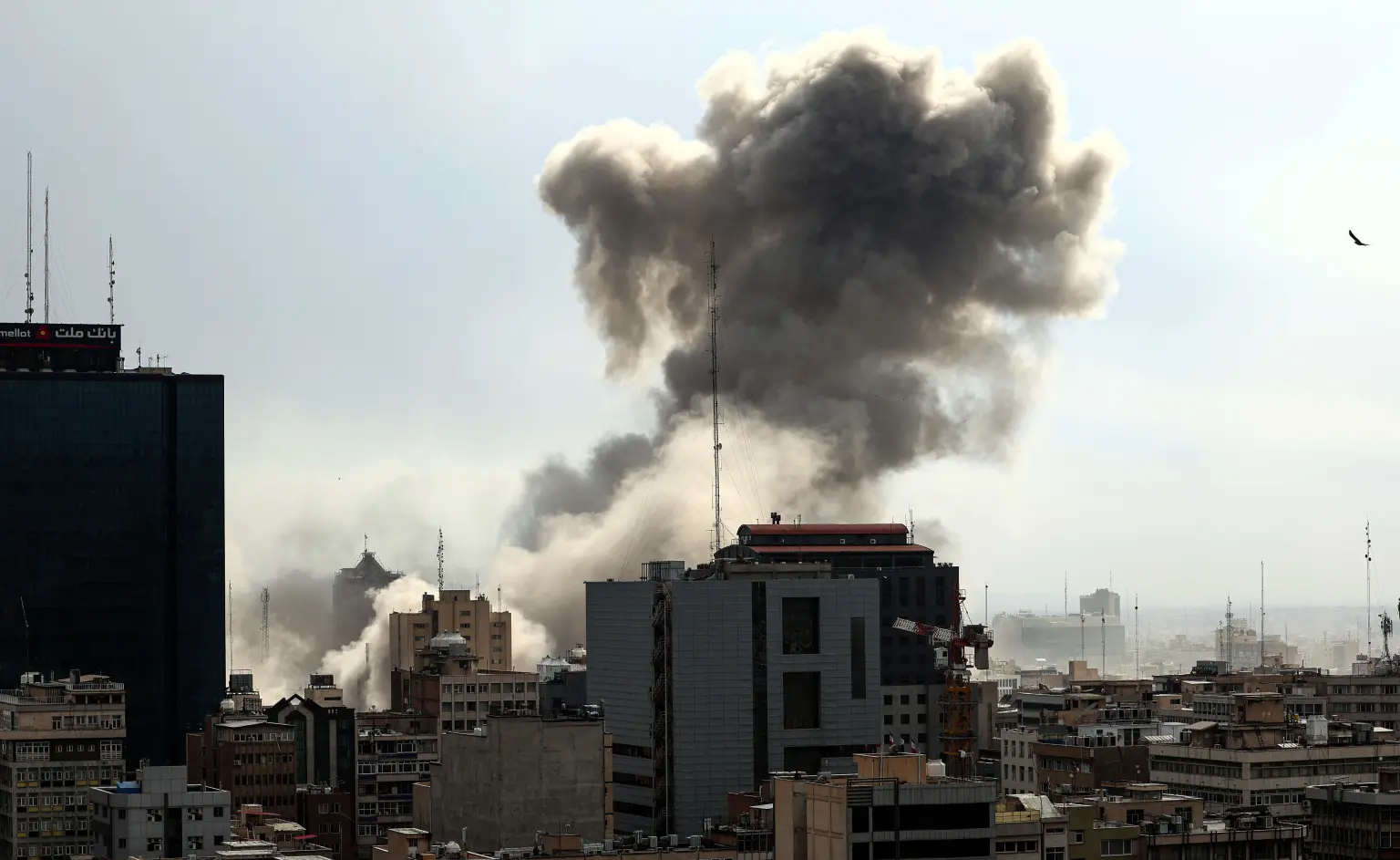
Iran War Timeline 2026: Escalation From Talks to Open Conflict
A step-by-step Iran war timeline from late-2025 diplomatic breakdown to Operation Epic Fury, retaliatory strikes, Hormuz disruption, and ongoing escalation.
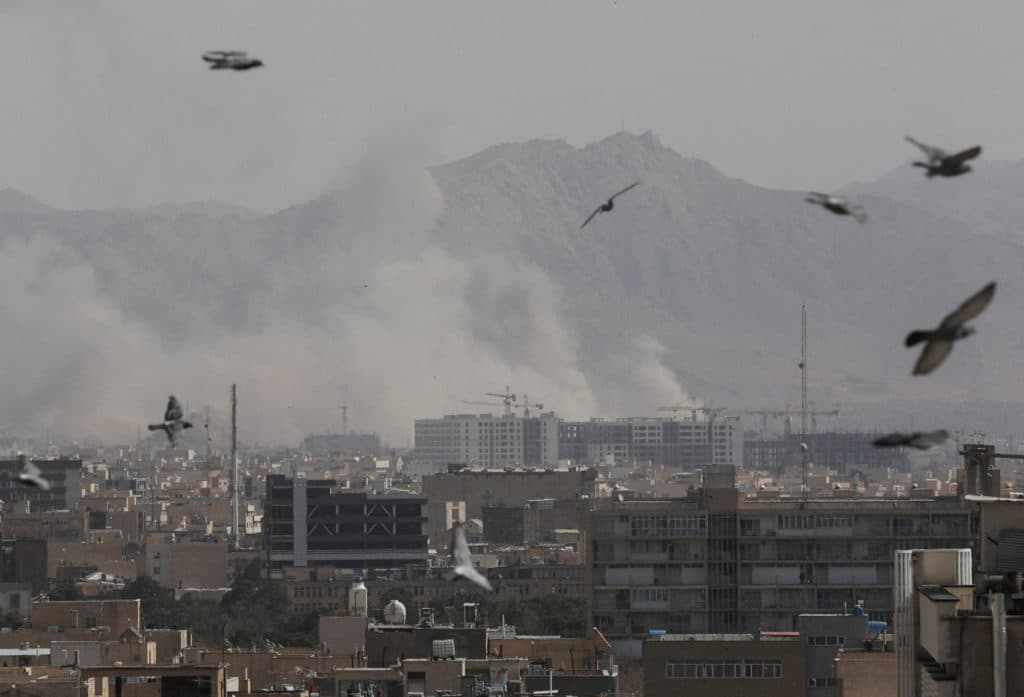
Trump Vows More Iran Strikes as US Expands Mideast Forces
President Trump pledged additional strikes while the Pentagon confirmed roughly 50,000 US personnel and major naval-air assets deployed across the region.
Iran War vs Iraq War: How the 2026 and 2003 Conflicts Compare
Iran 2026 vs Iraq 2003 compared across legal authority, coalition structure, force design, economic shock, and the central role of nuclear risk.
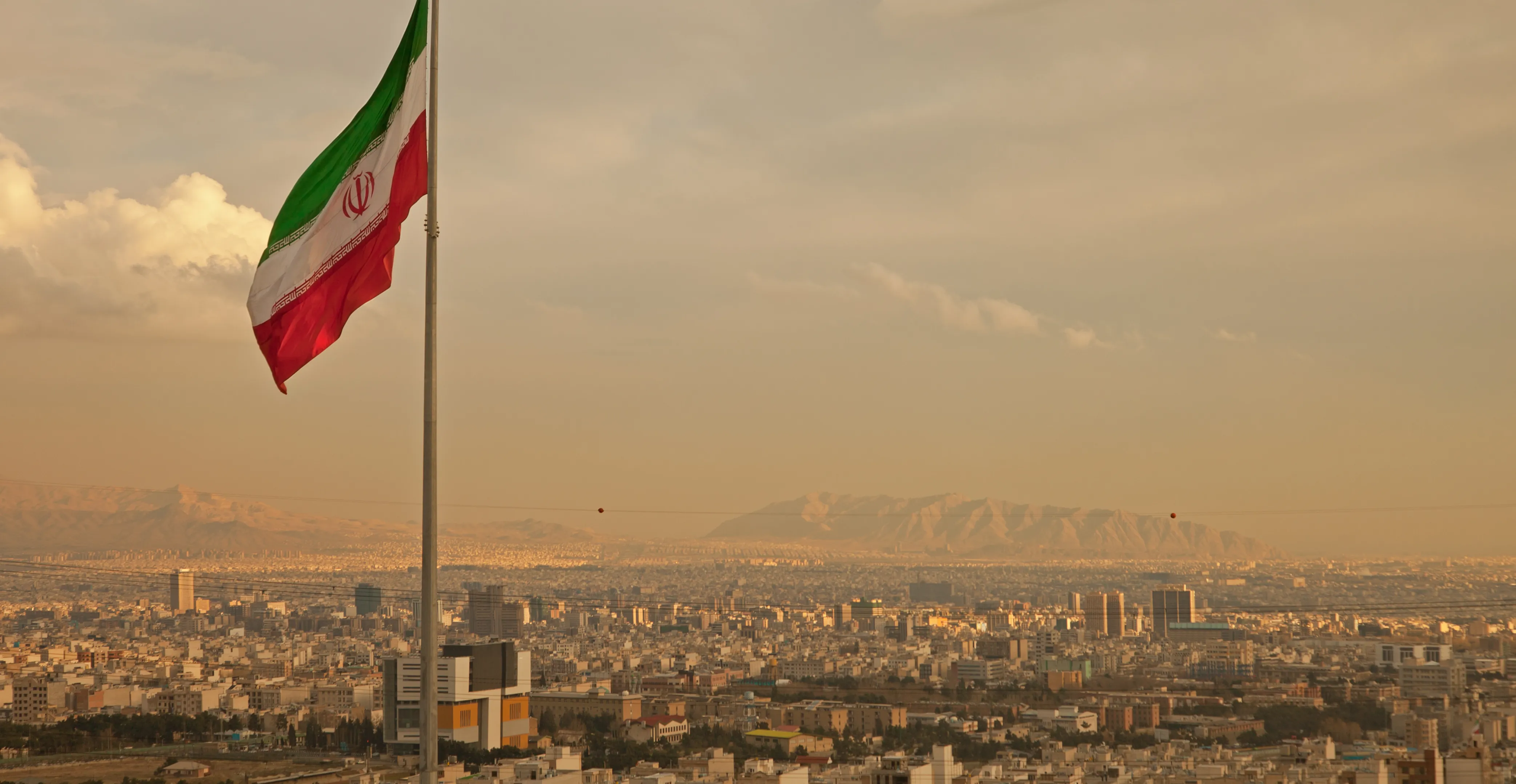
Nuclear Threat Assessment: Where the Iran Crisis Goes From Here
A scenario-based nuclear threat assessment of the Iran crisis, including leadership instability, damaged facilities, and pathways to escalation or containment.
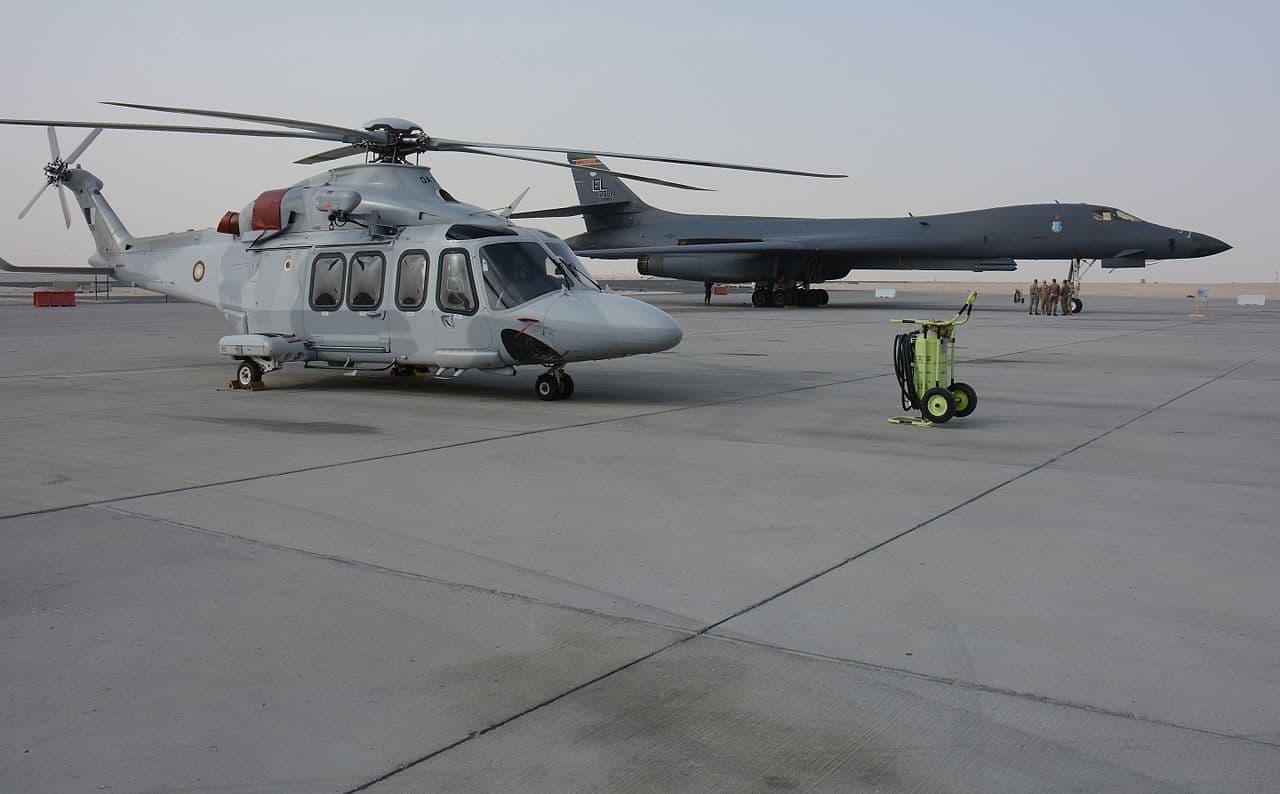
Did Iran Attack the U.S. Today?
Yes. Iran launched six waves of missiles and drones at U.S. bases in the Gulf after Operation Epic Fury on February 28, 2026.
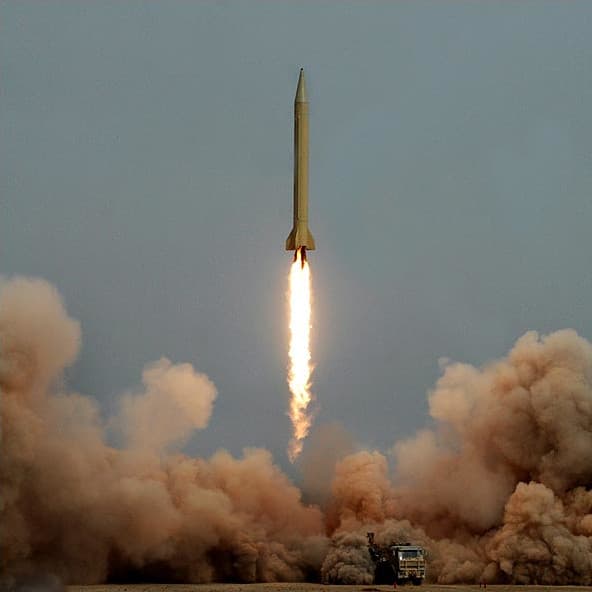
Iran Proxy Network Escalates Across the Middle East
Hezbollah, Houthis, and Iraqi militias expanded operations across Lebanon, Yemen, Iraq, and the Red Sea as the US-Iran conflict widened into a multi-front war.
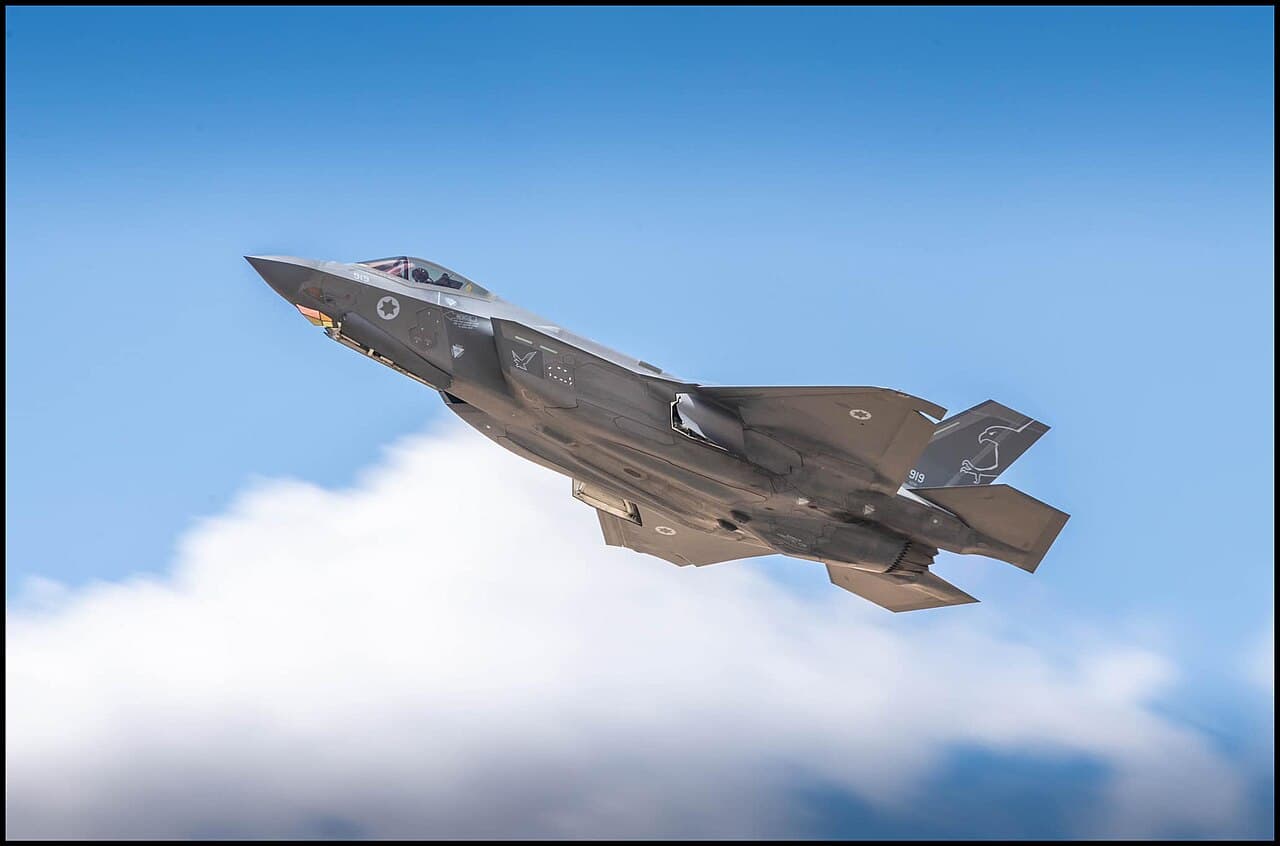
Iran vs Israel Military Power: A Complete 2026 Comparison
Iran vs Israel military comparison across manpower, airpower, missile inventories, defense spending, and the nuclear deterrence balance in 2026.
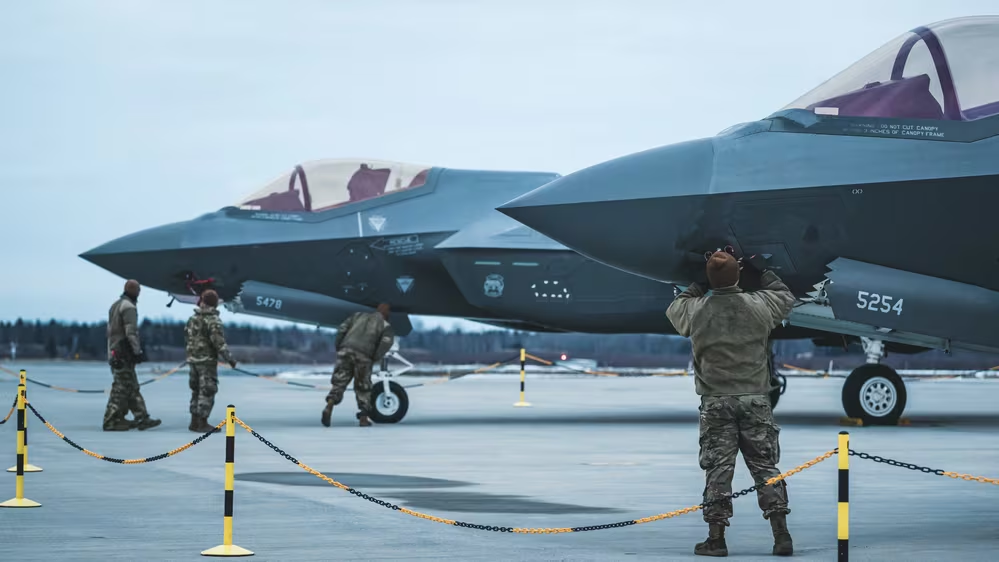
Trump Says 'Too Late' for Iran Talks as Israel Hits Tehran
On Day 4 of Operation Epic Fury, Trump rejected renewed talks as Israeli strikes hit Tehran, oil rose, and global markets reacted to widening conflict risk.
US Deploys 50,000 Troops as Operation Epic Fury Expands
The Pentagon confirmed a major Gulf buildup, including two carrier groups and 120+ aircraft, as Washington signaled continued operations against Iran.
US Military vs Iran Military: A Complete 2026 Comparison
US vs Iran military comparison across personnel, air and naval power, missiles, budgets, and how asymmetry shapes escalation outcomes in 2026.
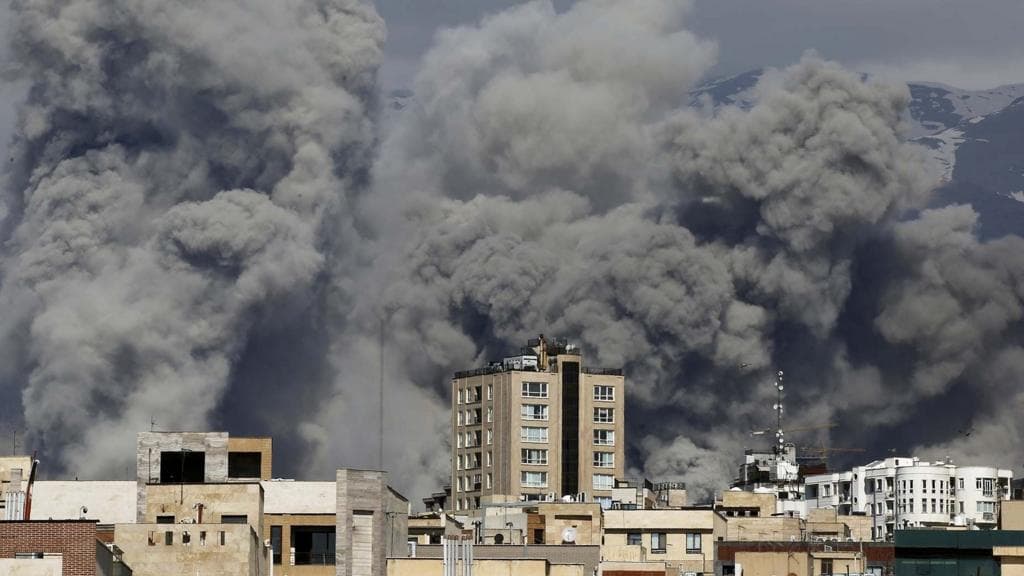
Iran Crisis 2026 vs 2019 Tensions: What's Different This Time
How the 2026 Iran crisis differs from 2019: leadership decapitation, larger retaliation, Hormuz closure risk, and a sharper nuclear escalation path.
Is This Like the Cuban Missile Crisis? Comparing 1962 and 2026
A 1962 vs 2026 comparison of decision windows, nuclear proximity, escalation control, and why the Iran crisis is framed as a modern Cuban Missile moment.
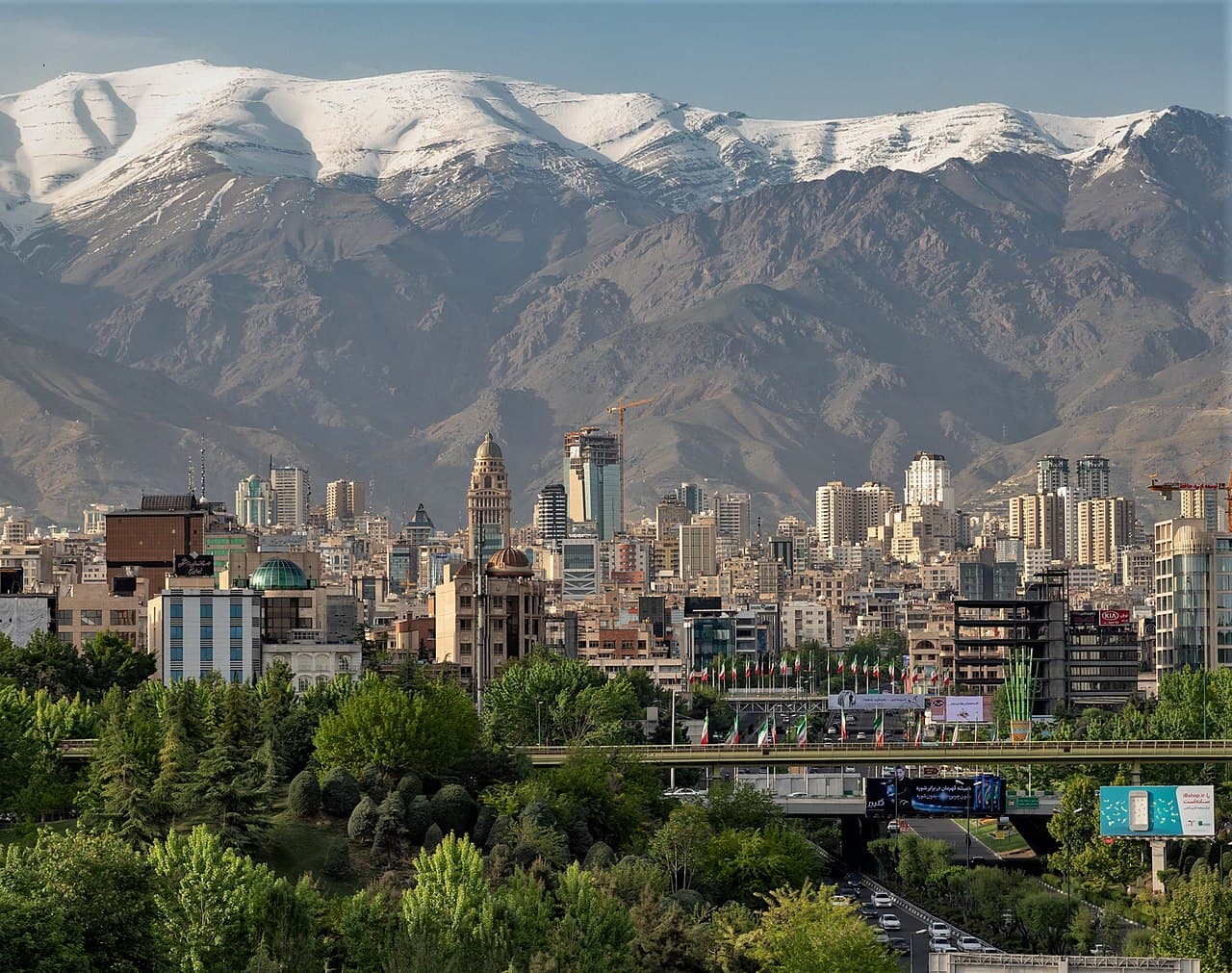
Iran Live News: Death Toll 1,045; Turkiye Reports Intercept
Iran live news: Iran death toll at 1,045; Turkiye says missile destroyed, with verified timeline, casualty breakdown, and source-by-source analysis.

Who Started the Iran-Israel War? Timeline and Evidence
A source-based timeline of who initiated the Iran-Israel war sequence, from initial strikes to retaliation cycles and later US-Iran escalation.
Russia vs US Nuclear Forces: 2026 Strategic Comparison
Russia and US nuclear forces compared by warheads, delivery systems, modernization, spending, and doctrine across the world's two largest arsenals.
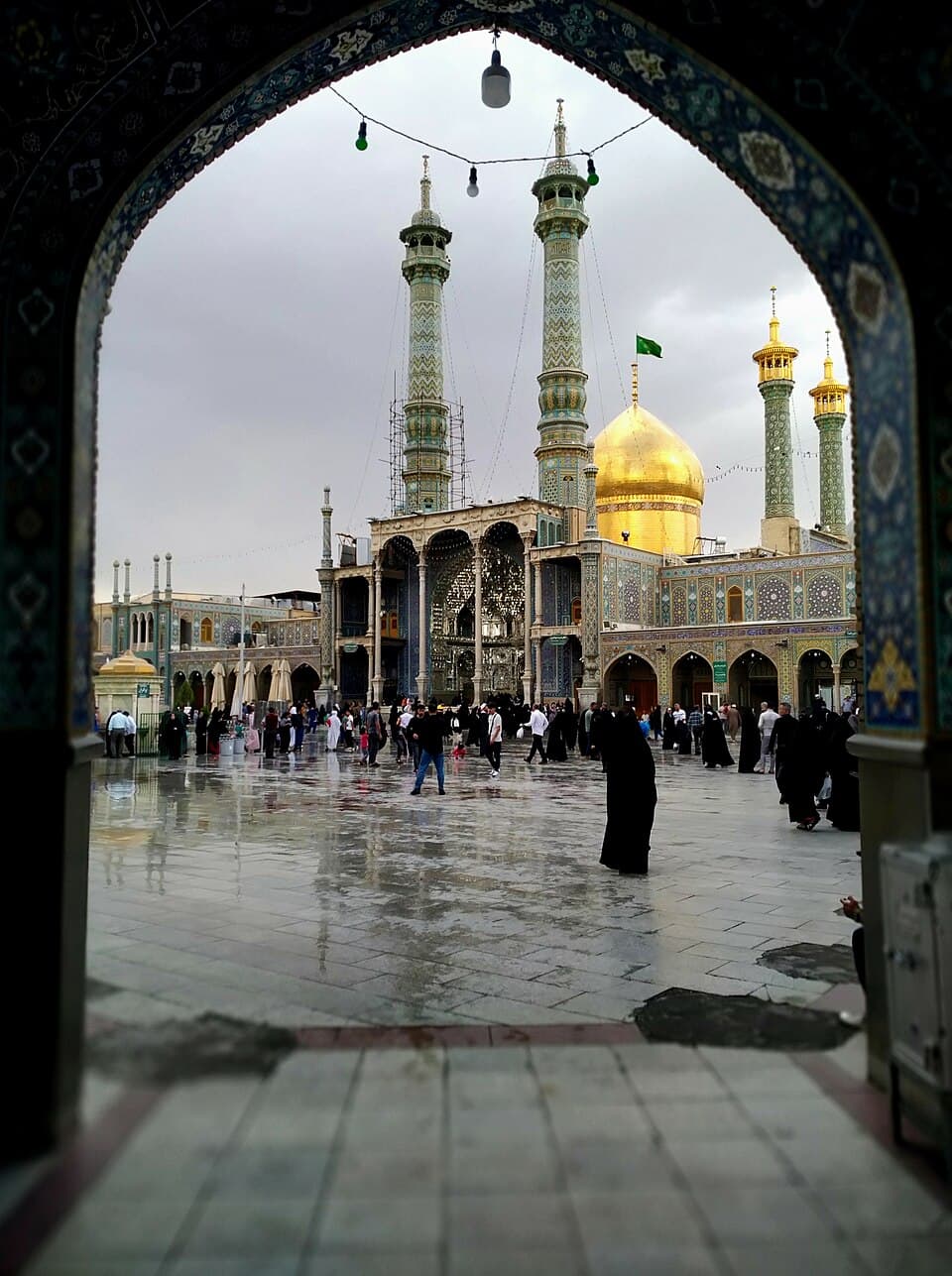
Trump Says New Strikes Target Iranian Leadership
Trump said new strikes hit Iranian leadership as Israel bombed the Assembly of Experts in Qom on Day 4 of Operation Epic Fury.
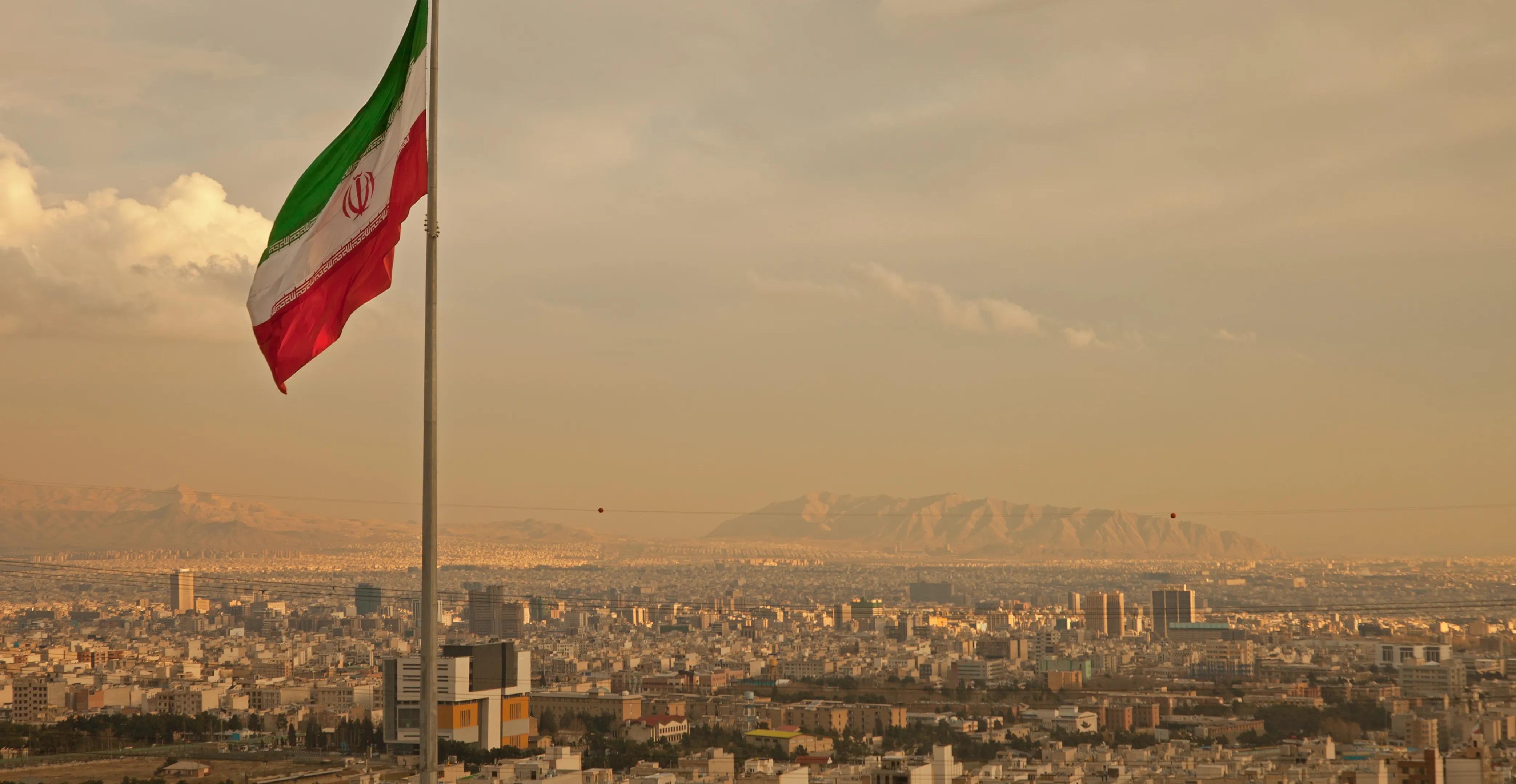
Iran Closes Strait of Hormuz: 20% of Global Oil Supply Disrupted
Iran's closure of the Strait of Hormuz disrupted roughly 20% of global oil flows after retaliatory strikes, triggering a fast-moving energy and shipping shock.
Iran-Linked Cyber Campaign Hit Critical Infrastructure Before War
A coordinated cyber campaign attributed to Iranian actors hit US and allied infrastructure on February 26, 2026, opening a digital front before airstrikes.
Iran Retaliatory Strikes Hit US Bases Across Gulf Region
Iran launched over 170 ballistic missiles and 500+ drones at US military positions across the Gulf, marking a major direct escalation in the conflict.
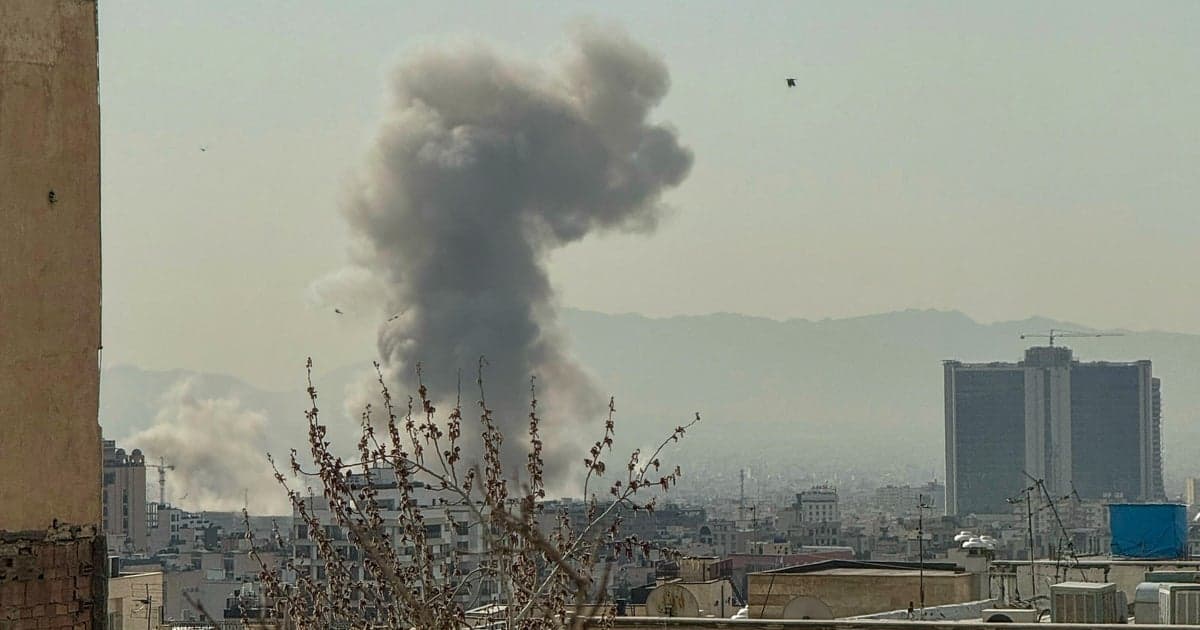
Iran Confirms Khamenei Killed in US-Israeli Strikes
Iran confirmed Supreme Leader Ali Khamenei was killed in February 28, 2026 strikes on Tehran, triggering a succession crisis and sharper regional escalation.
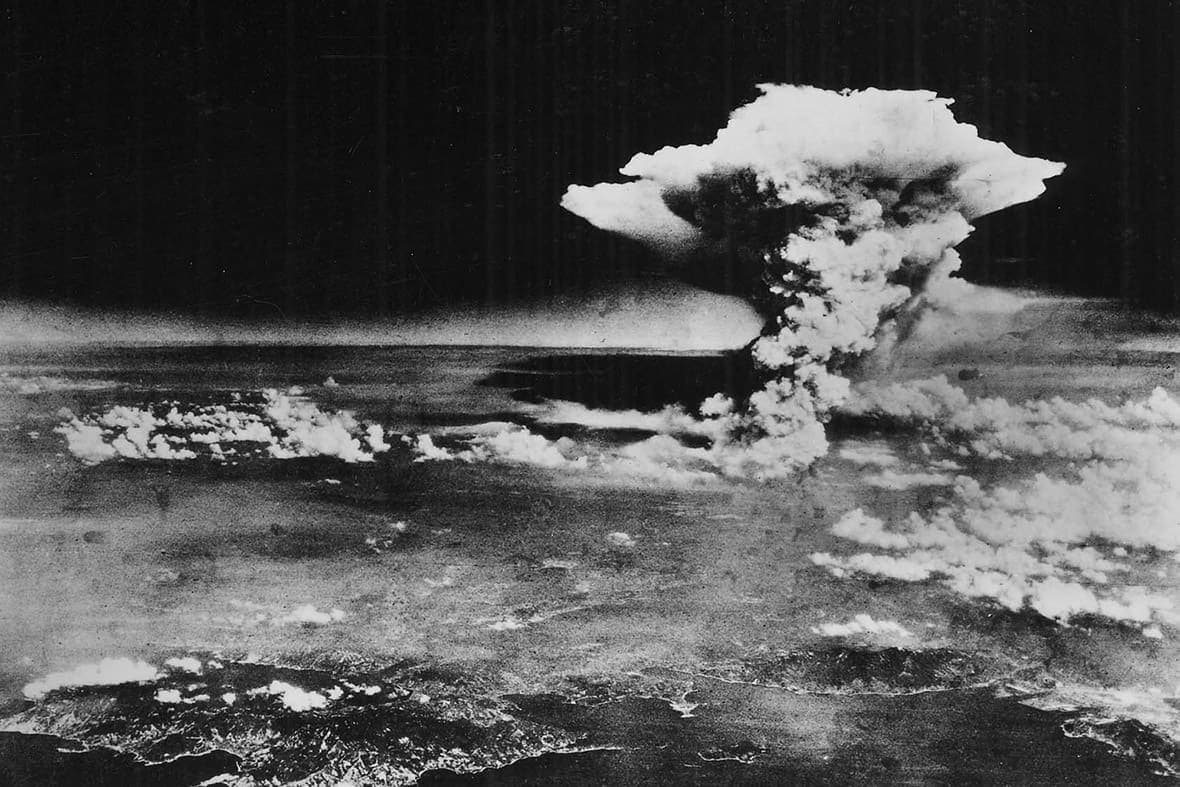
What Would Happen If Nuclear War Started? A Step-by-Step Guide
What happens if nuclear war starts? From first launch to nuclear winter: blast zones, fallout, infrastructure collapse, and long-term survival risks.
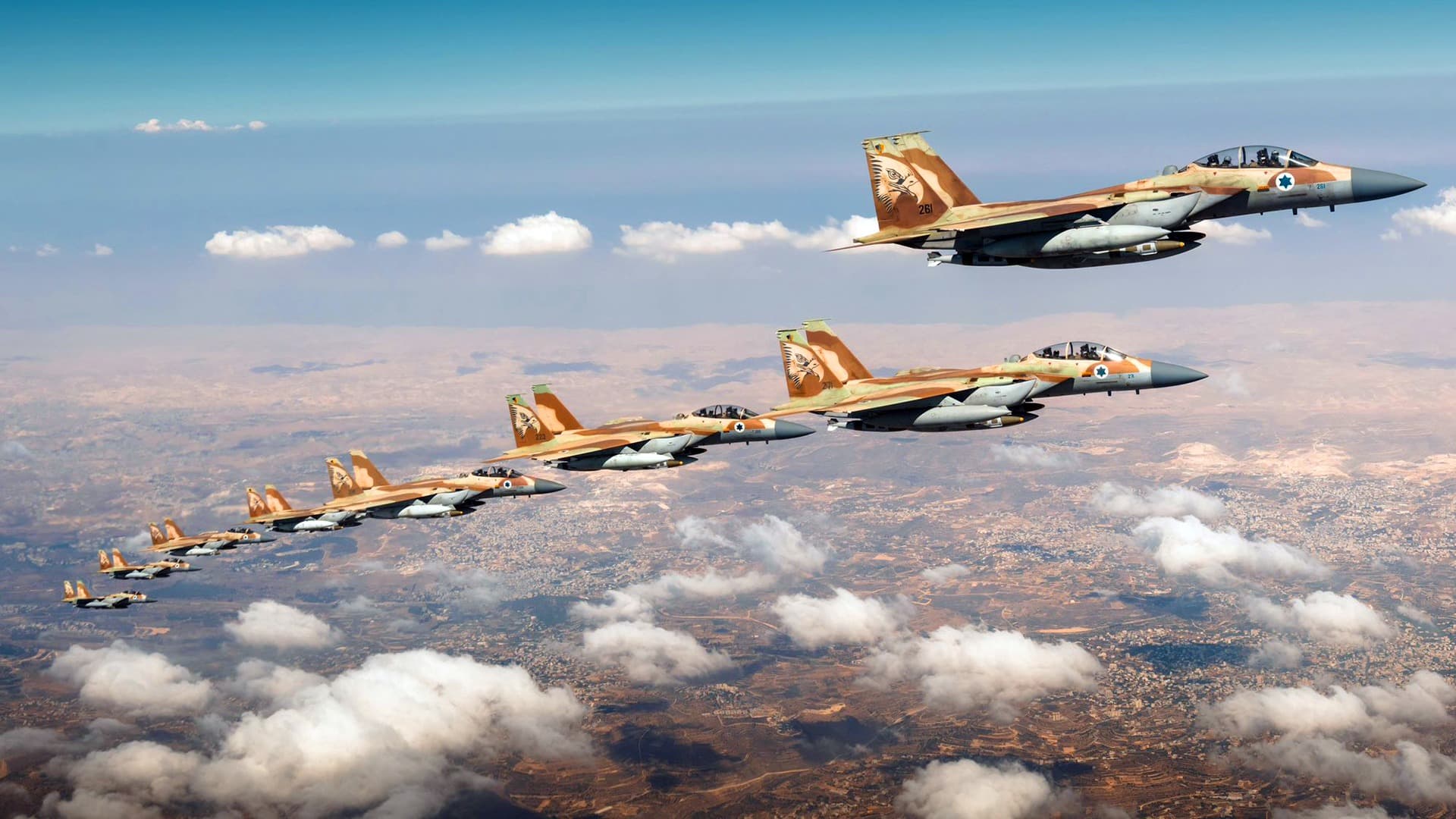
why is iran attacking israel: causes, strategy, and timeline
why is iran attacking israel explained with sources: retaliation, nuclear fears, deterrence signaling, and domestic pressure shaping the conflict.
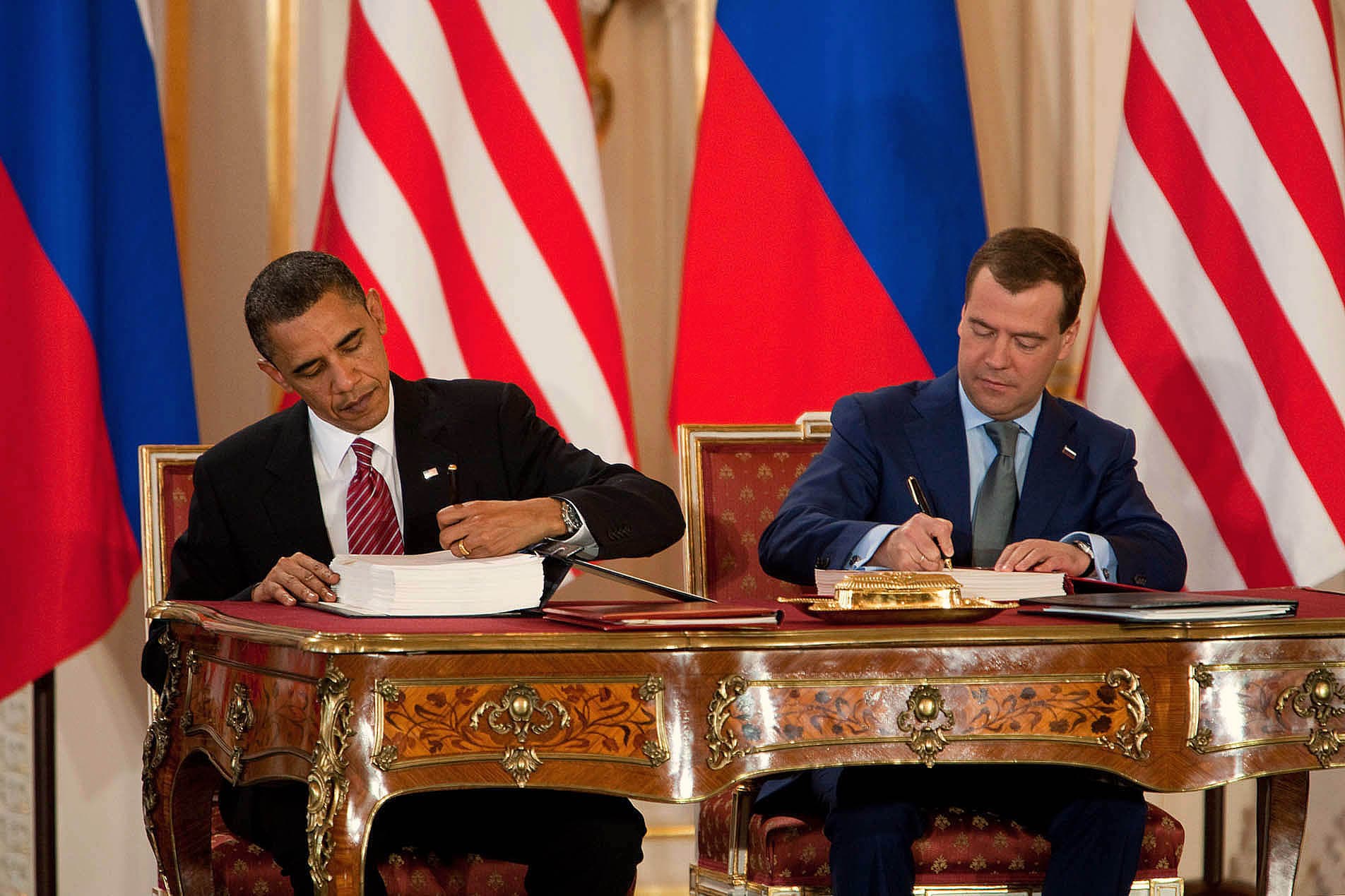
New START Treaty Expiration 2026: What Changes Now
New START treaty expiration 2026 ended verified U.S.-Russia limits. See what changes for warheads, inspections, and escalation risk now.
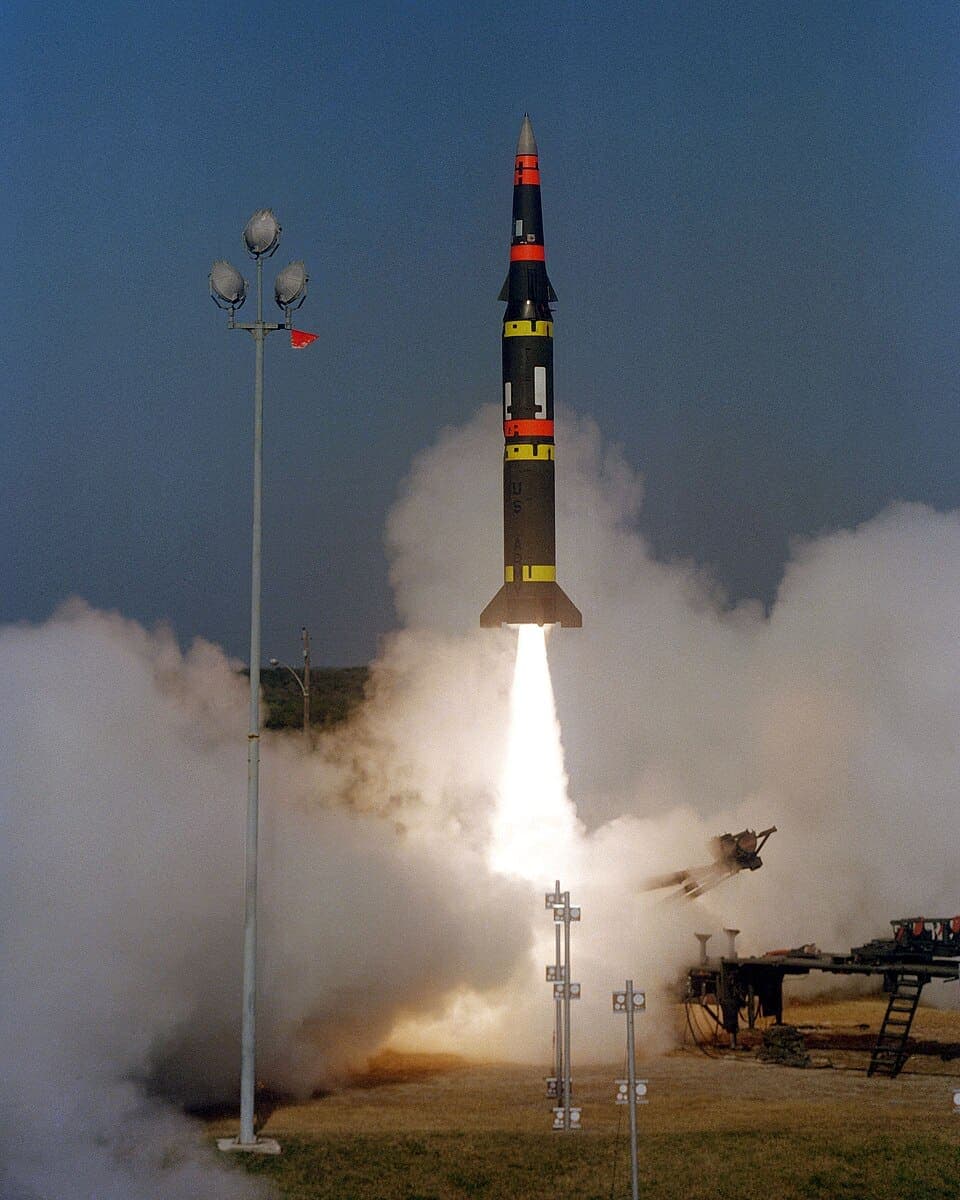
Able Archer 83: The 1983 Nuclear War Scare Explained
Able Archer 83 was a NATO drill in November 1983 that Moscow misread as a first strike, pushing Cold War tensions to their most dangerous point.
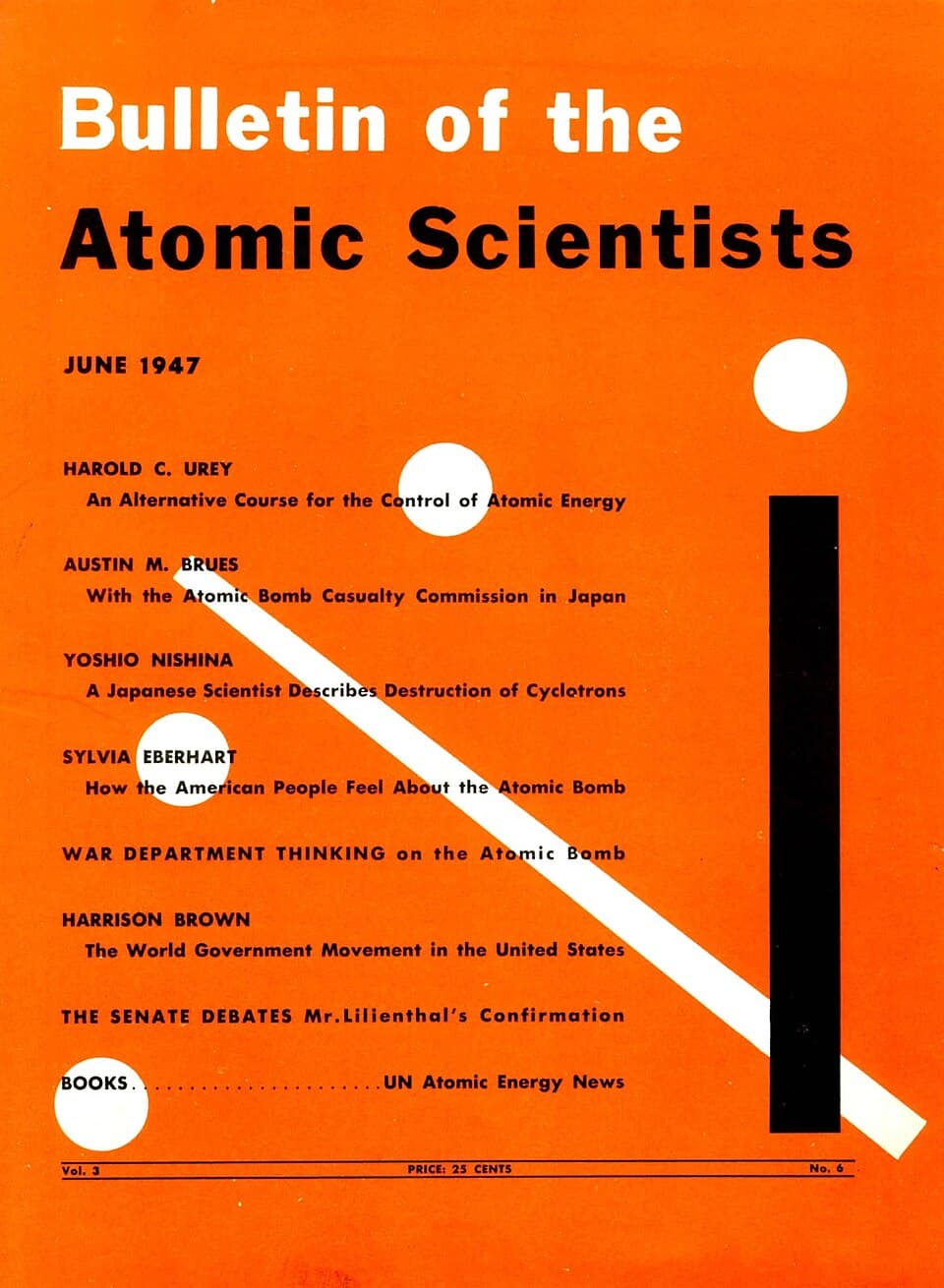
Doomsday Clock History: Every Setting From 1947 to 2025
Doomsday Clock history year by year: from 7 minutes to midnight in 1947 to 89 seconds in 2025. Full timeline of every setting, what changed, and why it matters.
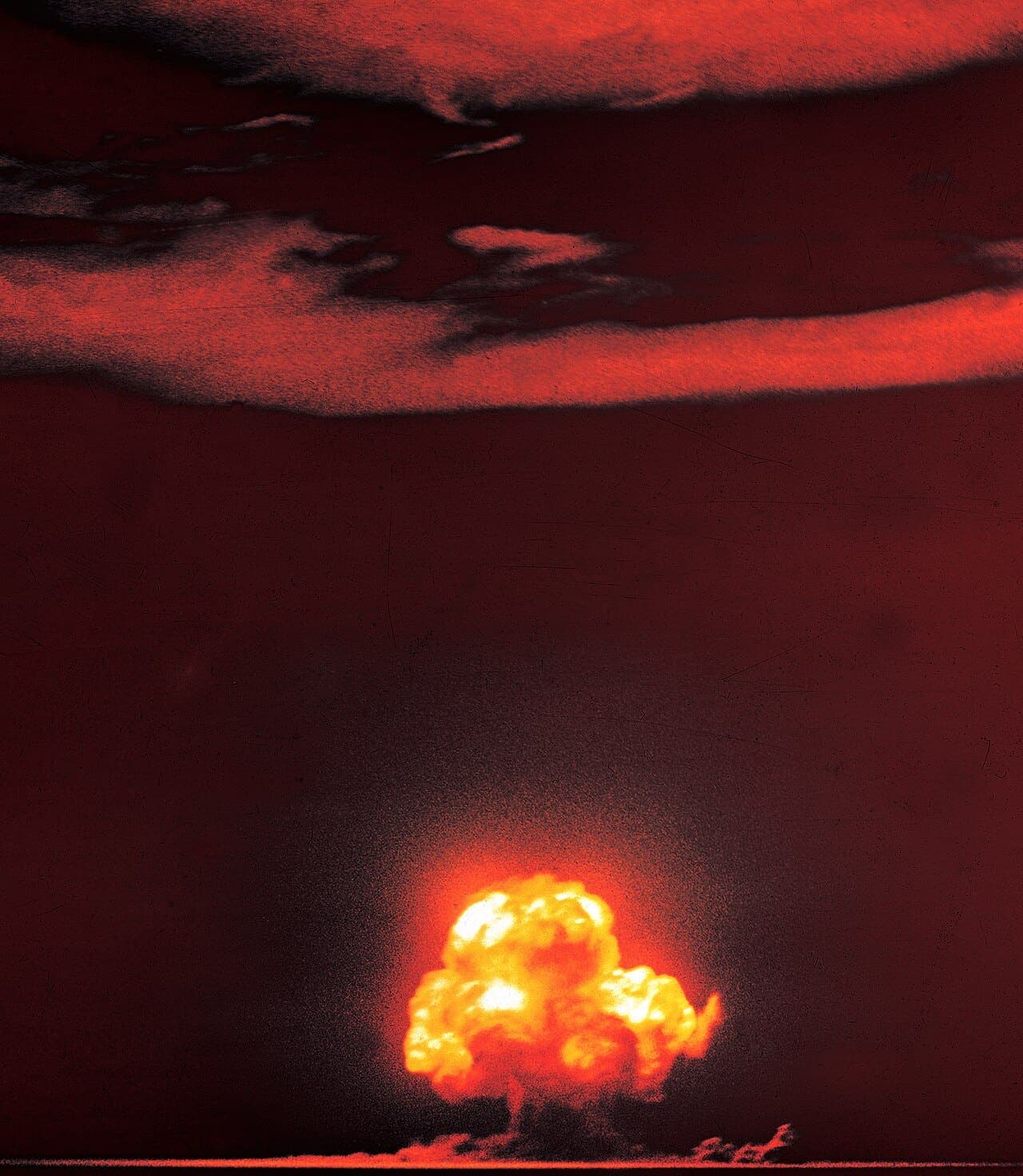
Manhattan Project: How Oppenheimer Built the Atomic Bomb
The Manhattan Project built the first nuclear weapons from 1942 to 1945. Follow the path from Einstein's warning letter to Trinity and Hiroshima.
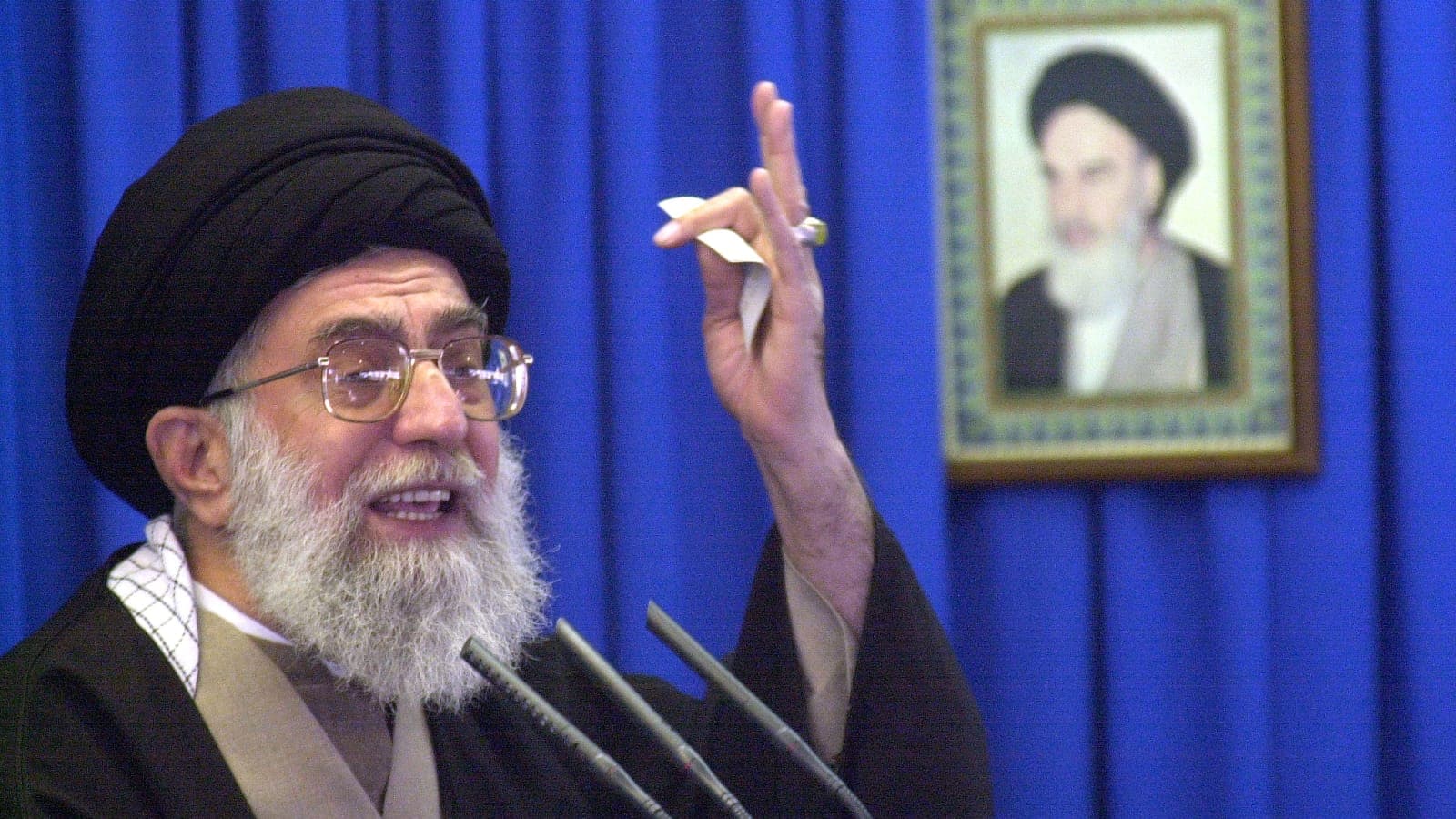
Ali Hosseini Khamenei: Biography, Power, and Nuclear Legacy
Biography of Iran's supreme leader, his power network, financial empire, nuclear strategy, and the succession crisis after his death in 2026.
US-Israeli Strikes Hit Fordow, Isfahan, and Natanz
US and Israeli strikes targeted Iran's key nuclear facilities at Fordow, Isfahan, and Natanz during Operation Epic Fury, with damage extent still uncertain.
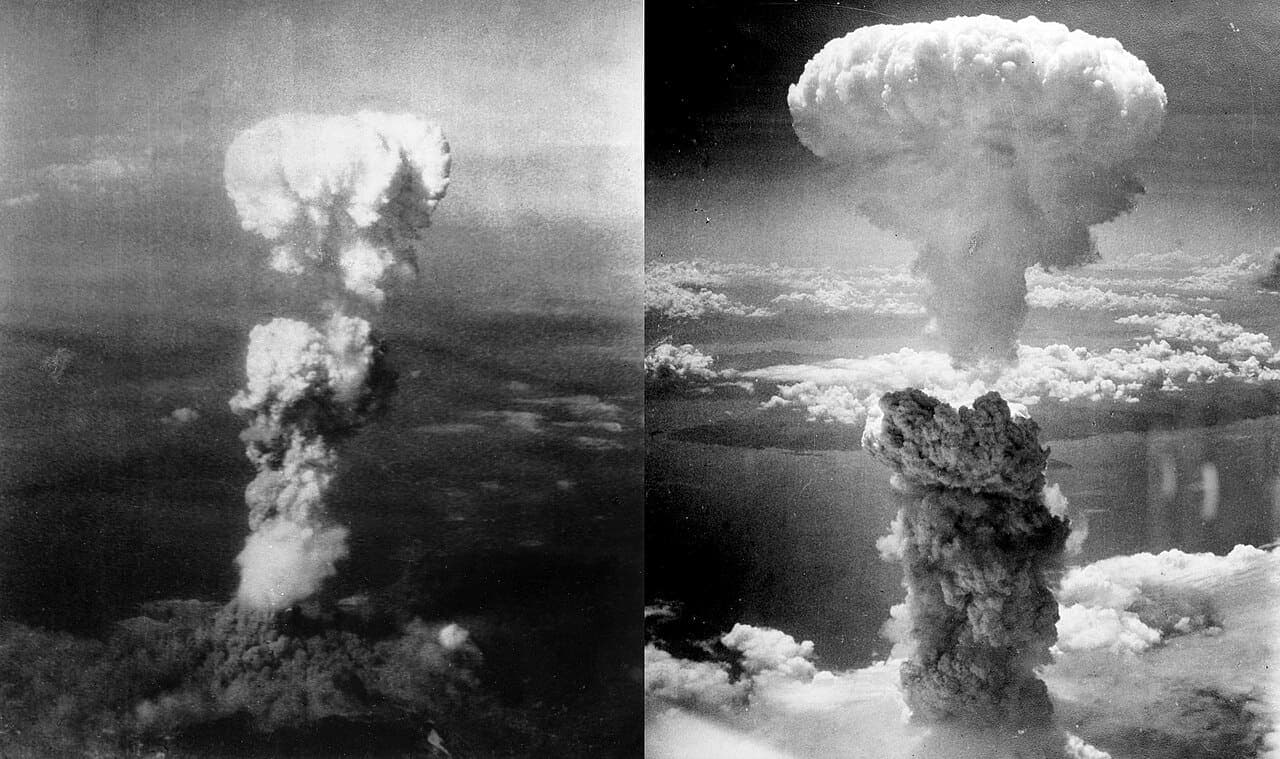
Hiroshima and Nagasaki: What Happened When the Bombs Fell
On August 6 and 9, 1945, U.S. atomic bombs devastated Hiroshima and Nagasaki. Here is what happened, who died, and what radiation did after.
2001 AUMF Scope: What It Authorizes and What It Does Not
A document-first explainer of the 2001 AUMF text, its legal scope, and how it interacts with broader war powers law.
After the 2002 Iraq AUMF Repeal: What Changed in Law
What Public Law 118-1 repealed, what it left untouched, and how to read claims about U.S. force authorities after 2023.
Covert Action Findings and Congressional Notification Rules
What 50 U.S.C. § 3093 requires for covert-action findings, congressional notification, and oversight in sensitive operations.
How to Verify Official Statements With Primary Documents
A repeatable workflow for checking official claims against statutes, dockets, Federal Register entries, and agency source documents.
How the War Powers Resolution Works in 2026
A source-backed explainer of the War Powers Resolution timeline, reporting triggers, and congressional options under current U.S. law.
National Emergencies Act: How Declarations Start and End
A practical explainer on the National Emergencies Act process, renewal requirements, and how emergency powers tie to specific statutes.
Iran vs North Korea Nuclear Programs: A Complete 2026 Comparison
Iran and North Korea's nuclear trajectories compared: enrichment, warhead status, missile reach, sanctions resilience, and breakout implications.
AECA Emergency Arms Sales: Process and Congressional Role
How emergency certifications under the Arms Export Control Act work and what oversight still exists after the waiting period is waived.
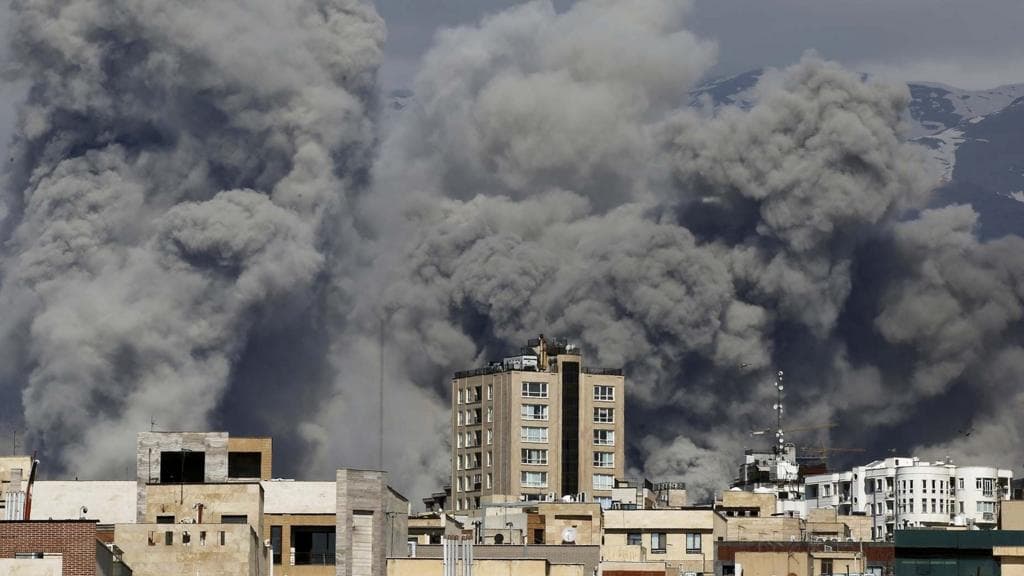
Geneva Talks Collapse After US Enrichment Ultimatum
US-Iran Geneva nuclear talks collapsed on February 27, 2026 after Washington demanded a full enrichment halt, hours before Operation Epic Fury began.
How IEEPA Sanctions Authority Works
What IEEPA authorizes, how OFAC uses it, and where congressional and judicial checks fit in a sanctions escalation cycle.
IAEA Blocked From Iranian Nuclear Sites After Strikes
IAEA inspectors remain blocked from Fordow, Isfahan, and Natanz after Operation Epic Fury, leaving Iran's enriched uranium status unverifiable.
2026 Midterm Primary Calendar: The Next 90 Days
A source-based map of key U.S. primary dates in the next 90 days, with notes on runoff schedules and state-by-state variation.
Continuing Resolutions and Shutdowns: The Core Mechanics
How continuing resolutions interact with the Antideficiency Act and why shutdown risk is about enacted appropriations timing, not headlines.
Electoral Count Reform Act: What Changed in Certification
A document-based explainer of Electoral Count Reform provisions and how they changed presidential vote-count procedures.
How Congressional Budget Scoring Works
A plain-language explainer of federal budget scoring mechanics, assumptions, and why score differences often come from baseline choices.
How Federal Declassification Review Actually Works
A source-backed walkthrough of federal declassification rules, review pathways, and common bottlenecks under Executive Order 13526.
FOIA Timelines and Exemptions: What Requesters Should Expect
A practical explainer on FOIA processing timelines, exemption structure, and how to improve requests for faster, clearer responses.
How to Read Poll Aggregates and Crosstabs Without Getting Misled
A practical polling literacy guide to aggregation basics, subgroup caution, and trend interpretation across election cycles.
How to Track Federal Court Dockets With PACER and RECAP
A practical legal-news workflow for reading federal court dockets, identifying key filings, and tracking case status changes without guesswork.
Mail Ballot Deadlines and Cure Rules, State by State
How mail-ballot receipt deadlines and signature-cure processes differ across states, and what those differences mean for counting timelines.
Poll Margin of Error vs Total Survey Error
Why margin of error is only one part of polling uncertainty, and how weighting, turnout models, and mode effects shape results.
Provisional Ballots: When They Count and Why
A clear explainer on provisional ballot rules under HAVA, common triggers, and how verification determines whether ballots are counted.
Recount Rules: Automatic vs Candidate-Requested
A state-law explainer of recount triggers, thresholds, and procedural differences between automatic and requested recounts.
Risk-Limiting Audits: How Post-Election Audits Work
What risk-limiting audits test, how they differ from recounts, and why they are designed around statistical confidence thresholds.
Senate Reconciliation and the Byrd Rule, Explained
A procedural explainer on reconciliation, vote thresholds, and Byrd Rule constraints using Senate reference documents and budget law.
Supplemental vs Omnibus Bills: What Changes and What Does Not
A neutral guide to how supplemental and omnibus appropriations bills differ in scope, timing, and oversight implications.
Supreme Court Emergency Docket: How It Works
A source-based guide to emergency applications at the Supreme Court, including stay requests, orders, and calendar context.
Voter Roll Maintenance Under the NVRA
How voter-list maintenance works under federal law, what states can and cannot do, and why list updates are legally constrained.
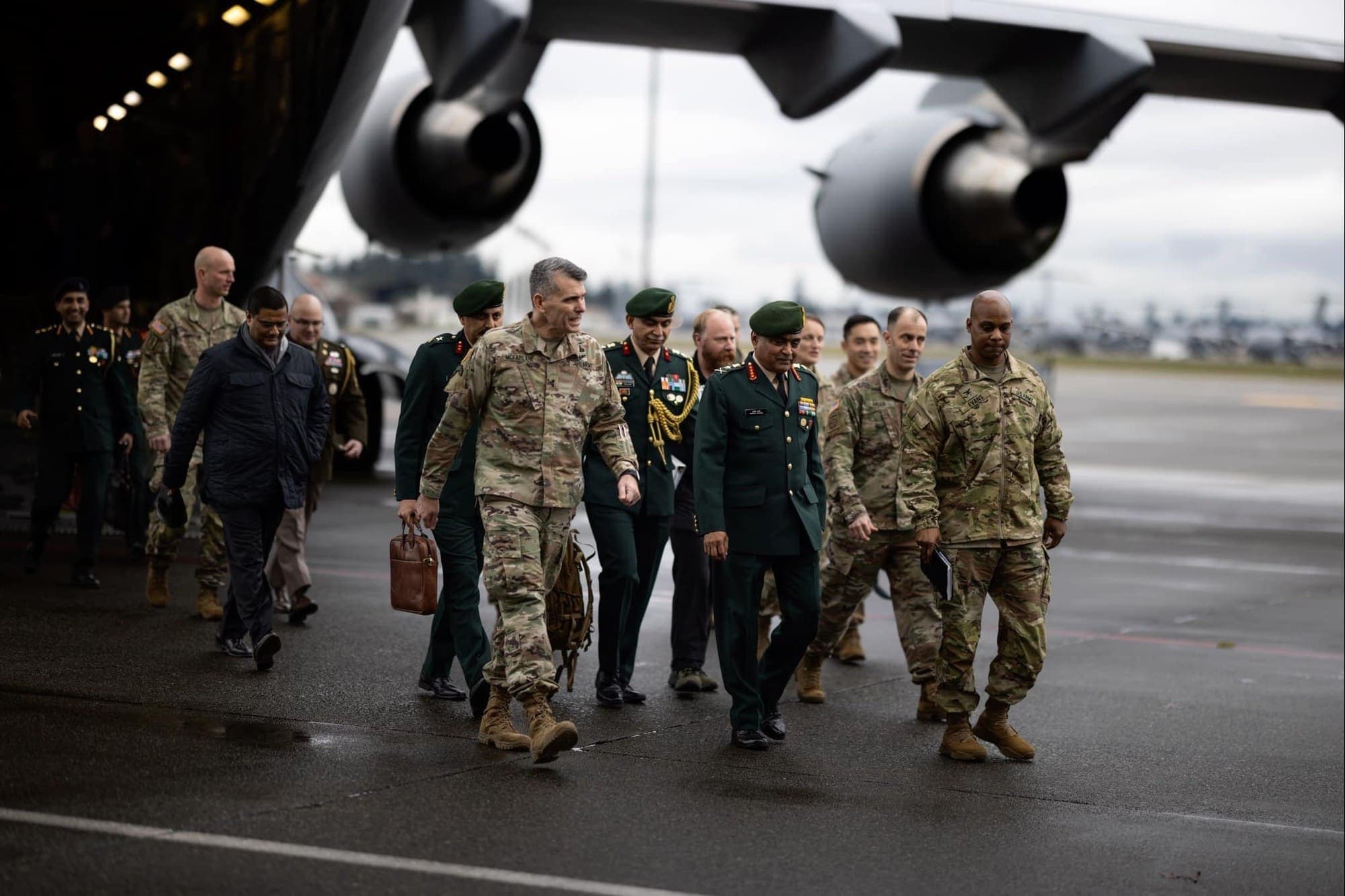
India vs Pakistan Nuclear Weapons: A Complete 2026 Comparison
India vs Pakistan nuclear comparison: warheads, delivery systems, doctrines, defense spending, and how Kashmir escalation could strain deterrence.
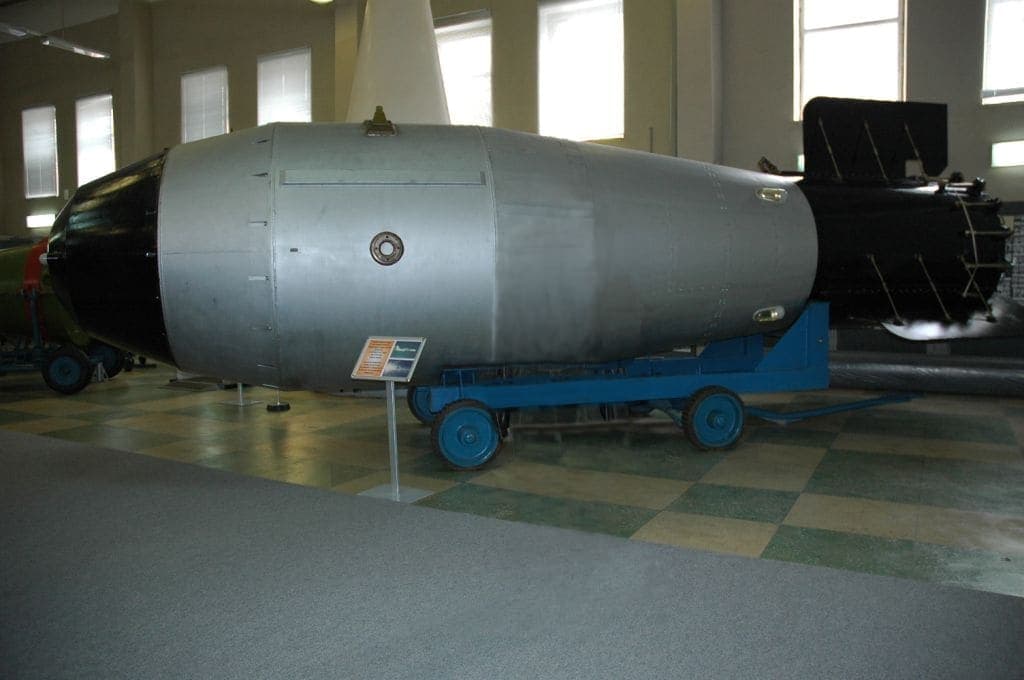
Tsar Bomba: The Biggest Nuclear Weapon Ever Tested
Tsar Bomba, tested by the Soviet Union on October 30, 1961, yielded about 57 megatons, becoming the most powerful man-made explosion ever recorded.
Explainers
What Is Mutually Assured Destruction (MAD)?
What is mutually assured destruction (MAD)? We explain the doctrine, Cold War logic, modern criticisms, and why MAD still shapes nuclear strategy.
What Are Proxy Wars?
What is a proxy war? Learn how major powers fight through partners, why this model persists, and how Iran's network affects today's Middle East escalation.
What Is the Strait of Hormuz?
What is the Strait of Hormuz? A practical explainer on its geography, oil-flow importance, military vulnerability, and global economic consequences of closure.
What Happens If Iran Gets Nuclear Weapons?
If Iran obtained nuclear weapons, effects could include regional arms races, Israeli strike pressure, oil-market shocks, and broader nonproliferation fallout.
What Is Escalation Dominance?
Escalation dominance is the ability to control each rung of conflict and impose higher costs on an adversary. This explains why it drives crisis strategy.
No First Use Nuclear Policy: Meaning, Limits, and Risk
No first use nuclear policy lowers first-strike pressure when doctrine and posture align. Compare NFU states, loopholes, and real crisis effects.
Potassium Iodide Nuclear Emergency Guide
Potassium iodide nuclear emergency guide: when KI helps, correct doses, and the first shelter actions to protect your thyroid safely.
Can the US Shoot Down a Nuclear Missile?
Can the US intercept a nuclear missile? This guide explains GMD, Aegis, THAAD, and why layered defenses still face major limits against large barrages.
How Many Nukes Would It Take to Destroy the World?
How many weapons could trigger civilization-scale collapse? We break down nuclear-winter science, blast and fallout effects, and risk from limited exchanges.
Tactical vs Strategic Nuclear Weapons: Key Differences
Tactical vs strategic nuclear weapons explained with doctrine, ranges, yields, targets, and escalation risk so you can read nuclear headlines without confusion.
How Far From Nuclear Blast Is Safe? Real Distance Guide
How far from nuclear blast is safe depends on yield, shielding, and fallout. Use practical distance bands and shelter rules to make faster, safer decisions.
Nuclear Triad Explained: Structure, Purpose, and Tradeoffs
Nuclear triad explained: how land, sea, and air nuclear forces work, why states keep all three legs, and what this means for deterrence risk in 2026.
What Is Second-Strike Capability?
Second-strike capability is the ability to absorb a first nuclear strike and still retaliate. This guide explains survivable forces and command resilience.
How Nuclear Deterrence Works
How nuclear deterrence works in practice: second-strike credibility, signaling, escalation ladders, and why deterrence can fail under stress.
What Is Nuclear Fallout? Radiation Effects and Survival Basics
What is nuclear fallout? Learn how it forms, key radiation types, health effects, the 7-10 rule timeline, and practical shelter and protection steps.
What Is the Doomsday Clock?
What is the Doomsday Clock? History, methodology, and what its seconds-to-midnight signal means for modern global risk debates.
What Would Happen If a Nuke Hit New York City?
What if a nuclear weapon hit New York City? We model blast zones, casualties, fallout spread, infrastructure breakdown, and realistic survival windows.
How Bunker Buster Bombs Work
How bunker buster bombs work depends on casing strength, fuze timing, and delivery profile. Learn penetration limits, tradeoffs, and key constraints.
What Is the IAEA and What Do They Do?
What is the IAEA? Learn how inspectors verify nuclear programs, what safeguards can and cannot confirm, and why access disruptions raise global risk.
What Is an AUMF (Authorization for Use of Military Force)?
What is an AUMF? A plain-language guide to congressional war authorization, constitutional limits, and why AUMF debates matter in the 2026 Iran conflict.
Nuclear Command and Control Explained: NC2 and NC3
Nuclear command and control explained: how NC2 authority and NC3 systems verify, transmit, and execute nuclear decisions in a fast-moving crisis.
How Are Nuclear Tests Detected? Verification Guide
How are nuclear tests detected? Learn the sensors, data flow, and proof standards used to identify underground, underwater, and atmospheric blasts.
What Is Nuclear Breakout Time?
Nuclear breakout time is the estimated time needed to produce weapon-grade fissile material; this explainer shows how it is measured and why it matters.
Who Has the Most Nuclear Weapons? Complete 2025 Ranking
Who has the most nuclear weapons in 2025? Ranked totals for all nuclear-armed states, plus trends in modernization, expansion, and strategic balance.
How to Decontaminate After Nuclear Fallout | NukeClock
How to decontaminate after nuclear fallout: remove clothing, wash safely, isolate contaminated items, and cut radiation dose fast with a clear home protocol.
NATO Nuclear Sharing: How It Works
NATO nuclear sharing explained: how U.S. B61 bombs, dual-capable aircraft, custody, and NPT limits work in Europe.
Radiation Dose Chart: Levels and Risks
Radiation dose chart guide: compare mSv, rem, Gy, symptoms, and emergency action thresholds before you act.
Nuclear Winter Effects: Climate and Food
Nuclear winter effects explained: how soot cools climate, cuts harvests, and creates famine risk after nuclear war.
Nuclear Fallout Map: How to Read One
Nuclear fallout map guidance: read wind plumes, timing, and shelter zones without false certainty. Learn the signals that matter.
Nuclear Flash Blindness Distance: Safety Guide | NukeClock
Nuclear flash blindness distance explained: day vs night ranges, eye injury risk, and immediate actions that reduce harm after a nuclear detonation.
Best Room for Nuclear Fallout: Home Shelter Guide
Best room for nuclear fallout: pick the safest interior space fast, improve shielding, and follow a 24- to 48-hour shelter timeline.
How Long Does Nuclear Fallout Last? Timeline Guide
How long does nuclear fallout last: first-day danger, 48-hour priorities, and long-term contamination timelines with clear shelter decisions.
Does Duck and Cover Work? What Physics Says
Does duck and cover work in a nuclear attack? It can reduce blast injuries, but only when paired with immediate indoor shelter and fallout protection.
Nuclear EMP Effects on Electronics: What Fails First
Nuclear EMP effects on electronics can cascade into power and communications outages. Learn what fails first, what survives, and how to harden essentials.
Radiation Sickness Symptoms Timeline: Stages
Radiation sickness symptoms timeline explained: onset windows, stage-by-stage signs, dose ranges, and the treatment decisions that most affect survival.
What to Do During Nuclear Alert: Fast Checklist
What to do during nuclear alert: shelter fast, cut fallout dose, and follow a practical 24-hour protocol for safer decisions at home, work, or school.
What Is the Nuclear Football? Process and Limits
What is the nuclear football? Learn what is inside, who carries it, how launch orders move, and what legal and operational limits apply.
Dirty Bomb vs Nuclear Bomb: Key Differences
Dirty bomb vs nuclear bomb explained: hazard size, radiation risk, survival steps, and when to shelter or evacuate based on official guidance.
Nuclear Shelter Checklist: 24-Hour Plan
Nuclear shelter checklist for the first 24 hours: room choice, supplies, timing, and fallout safety steps every household can apply now.
What Is Launch-on-Warning?
Launch-on-warning is a posture that allows missiles to launch before incoming warheads land. This explainer covers incentives, risks, and safeguards.
How Nuclear Bombs Work: Fission, Fusion, and Weapon Physics
Nuclear weapons release energy through fission or fusion. Learn gun-type and implosion designs, hydrogen bombs, yield, and the Teller-Ulam model.
Situation Reports
SitRep Day 1 — Operation Epic Fury Begins
SitRep Day 4 — Blockade Holds, Diplomatic Vacuum Deepens
SitRep Day 3 — 50,000 Troops Deployed, Multi-Front War Solidifies
SitRep Day 2 — Iran Retaliates, Hormuz Closed
Related Countries
United States
5,044 warheads · GFP #1
Israel
90 warheads · GFP #15
Russia
5,580 warheads · GFP #2
China
600 warheads · GFP #3
India
172 warheads · GFP #4
Pakistan
170 warheads · GFP #14
Iran
No nuclear weapons · GFP #17
France
290 warheads · GFP #6
North Korea
50 warheads · GFP #31
United Kingdom
225 warheads · GFP #8
Related Topics
Nuclear History & Precedent Analysis
Historical nuclear crises and Cold War precedents that clarify today’s escalation risks, decision windows, and policy tradeoffs.
🇮🇷Iran & Nuclear Proliferation
Coverage of Iran's nuclear trajectory, US-Iran military escalation, and regional spillover risks, with source-backed updates tied to NukeClock changes.
☢️Nuclear Weapons & Proliferation
Analysis of global arsenals, proliferation dynamics, and deterrence doctrine, with focus on how the 2026 Iran crisis reshaped nuclear risk calculations.
🛢️Oil, Energy & Economic Disruption
Coverage of oil supply disruption, shipping chokepoints, and macroeconomic shock linked to the Hormuz blockade and broader US-Iran conflict.
🇺🇸US Politics & Nuclear Policy
US domestic politics and national-security decisions shaping nuclear risk, from war-powers fights in Congress to escalation choices in Operation Epic Fury.