United Kingdom Nuclear Forces and Military Power Profile
UK nuclear deterrent profile: Trident submarine force, warhead policy, and Britain's role in NATO strategic posture.
Staff Reporting and Analysis. Produces source-backed reporting, explainers, and reference pages on nuclear risk, proliferation, and escalation dynamics.
Country Snapshot
Total warheads
225
Estimated stockpile size
Deployed warheads
120
First test
1952
Year of first nuclear test
NPT status
Member (Depository State)
Active military
148,500
GFP rank #8
Defense budget
$75B
Approximate annual military spending
Key Sources
Start with the strongest supporting documents and reporting behind this page.
Compare Key Metrics
Quick side-by-side comparison against other major nuclear profiles.
| Metric | 🇬🇧United Kingdom Current Page | 🇷🇺Russia | 🇺🇸United States | 🇨🇳China |
|---|---|---|---|---|
| Total warheads | 225 | 5,580 | 5,044 | 600 |
| Deployed warheads | 120 | 1,710 | 1,770 | 24 |
| Active military | 148,500 | 1,320,000 | 1,328,000 | 2,035,000 |
| Defense budget | $75B | $109B | $916B | $292B |
| GFP rank | #8 | #2 | #1 | #3 |
| NPT status | Member (Depository State) | Member (Depository State) | Member (Depository State) | Member (Depository State) |
| First nuclear test | 1952 | 1949 | 1945 | 1964 |
Related Rivalries
These comparisons show how this state's force posture and doctrine stack up against key rivals.
Rivalry
Russia vs US Nuclear Forces: 2026 Strategic Comparison
Russia and US nuclear forces compared by warheads, delivery systems, modernization, spending, and doctrine across the world's two largest arsenals.
Rivalry
Iran War vs Iraq War: How the 2026 and 2003 Conflicts Compare
Iran 2026 vs Iraq 2003 compared across legal authority, coalition structure, force design, economic shock, and the central role of nuclear risk.
Rivalry
India vs Pakistan Nuclear Weapons: A Complete 2026 Comparison
India vs Pakistan nuclear comparison: warheads, delivery systems, doctrines, defense spending, and how Kashmir escalation could strain deterrence.
Related Doctrines
These explainers provide the strategic concepts that matter most for interpreting this country's nuclear profile.
Doctrine
Who Has the Most Nuclear Weapons? Complete 2025 Ranking
Who has the most nuclear weapons in 2025? Ranked totals for all nuclear-armed states, plus trends in modernization, expansion, and strategic balance.
Doctrine
No First Use Nuclear Policy: Meaning, Limits, and Risk
No first use nuclear policy lowers first-strike pressure when doctrine and posture align. Compare NFU states, loopholes, and real crisis effects.
Doctrine
Can the US Shoot Down a Nuclear Missile?
Can the US intercept a nuclear missile? This guide explains GMD, Aegis, THAAD, and why layered defenses still face major limits against large barrages.
The United Kingdom is one of five recognized nuclear-weapon states under the NPT and a permanent member of the UN Security Council. The UK's nuclear deterrent is based solely on submarine-launched ballistic missiles — the Trident system — making it the only nuclear-weapon state with a single-platform deterrent. The UK announced in 2021 that it would increase its warhead ceiling from 180 to 260, marking the first increase in decades.
What Makes the UK Nuclear Profile Distinct
The UK is easy to misread if you look only at raw warhead totals. It matters in global nuclear politics for three specific reasons:
- Single-platform deterrent: Britain depends entirely on submarine-based nuclear forces. That makes its deterrent structurally simple, but also uniquely dependent on uninterrupted submarine availability and command resilience.
- Operational continuity: Continuous At-Sea Deterrence means the UK is designed around credibility through persistence rather than through arsenal scale.
- Deep US integration with sovereign control: Britain leases Trident missiles from a shared US pool, but warhead design, targeting decisions, and launch authority remain nationally controlled. That combination makes the UK both closely tied to Washington and still strategically distinct.
Nuclear Arsenal
| Category | Count |
|---|---|
| Total warheads | ~225 |
| Deployed strategic | ~120 |
| Stockpile | ~225 |
| Retired | 0 |
The UK's nuclear stockpile is the smallest among the five NPT nuclear-weapon states. However, the 2021 Integrated Review reversed decades of post-Cold War reductions by raising the warhead ceiling to 260.
Delivery Systems
Submarine-launched ballistic missiles (SLBMs): The UK operates 4 Vanguard-class SSBNs based at HMNB Clyde (Faslane), Scotland. Each submarine carries up to 16 Trident II D5 SLBMs leased from the US missile pool. Under current policy, no more than 8 missiles and 40 warheads are carried per patrol.
The UK practices Continuous At-Sea Deterrence (CASD) — at least one submarine is on patrol at all times, and has been continuously since 1969.
The Dreadnought-class SSBN is under construction to replace the Vanguard class, with the first boat expected in the early 2030s.
The UK has no land-based nuclear missiles and no nuclear-armed aircraft, making it the only nuclear-weapon state with a single delivery platform.
Why Readers Compare the UK Differently From France
The most useful comparison is not raw warheads. It is doctrine and force design:
- The UK runs a narrower, more centralized submarine deterrent.
- France operates a broader two-leg force with both sea-based and air-delivered nuclear systems.
- Britain is more tightly embedded in the US strategic ecosystem through the Trident relationship and intelligence integration.
That means UK debates often revolve around survivability, industrial replacement timelines, and alliance dependence rather than around independent force diversity.
Military Overview
| Metric | Value |
|---|---|
| GFP Rank | #8 of 145 |
| GFP Score | 0.2131 |
| Active military | 148,500 |
| Reserve forces | 37,000 |
| Military budget | $75 billion |
The UK Armed Forces are among the most capable in Europe, with two Queen Elizabeth-class aircraft carriers, a nuclear-powered submarine fleet, and expeditionary capabilities supporting NATO and coalition operations worldwide.
Role in Current Nuclear Risk
The UK's nuclear posture factors into global risk through:
- NATO integration: The UK's nuclear forces are assigned to NATO and play a key role in the Alliance's nuclear deterrence posture, particularly in the European theater.
- Warhead increase: The decision to raise the warhead ceiling to 260 represented a break from the disarmament trend and raised concerns about a new arms race dynamic.
- US alliance: The UK's close defense relationship with the US, including the Trident missile lease and intelligence sharing (Five Eyes), ties its nuclear posture to US strategic decisions.
- Iran crisis: The UK has supported US-led operations in the Middle East and has deployed naval assets to the Persian Gulf region.
What to Watch Next
For readers using this page as a standing reference, the most important forward-looking questions are:
- whether the Dreadnought replacement stays on schedule,
- whether warhead ceiling rhetoric turns into a larger deployed posture,
- how much of Britain's deterrent debate shifts from Russia back toward the Middle East and maritime security,
- and whether closer coordination with Washington increases political pressure to treat UK nuclear choices as an extension of US strategy.
Related Articles
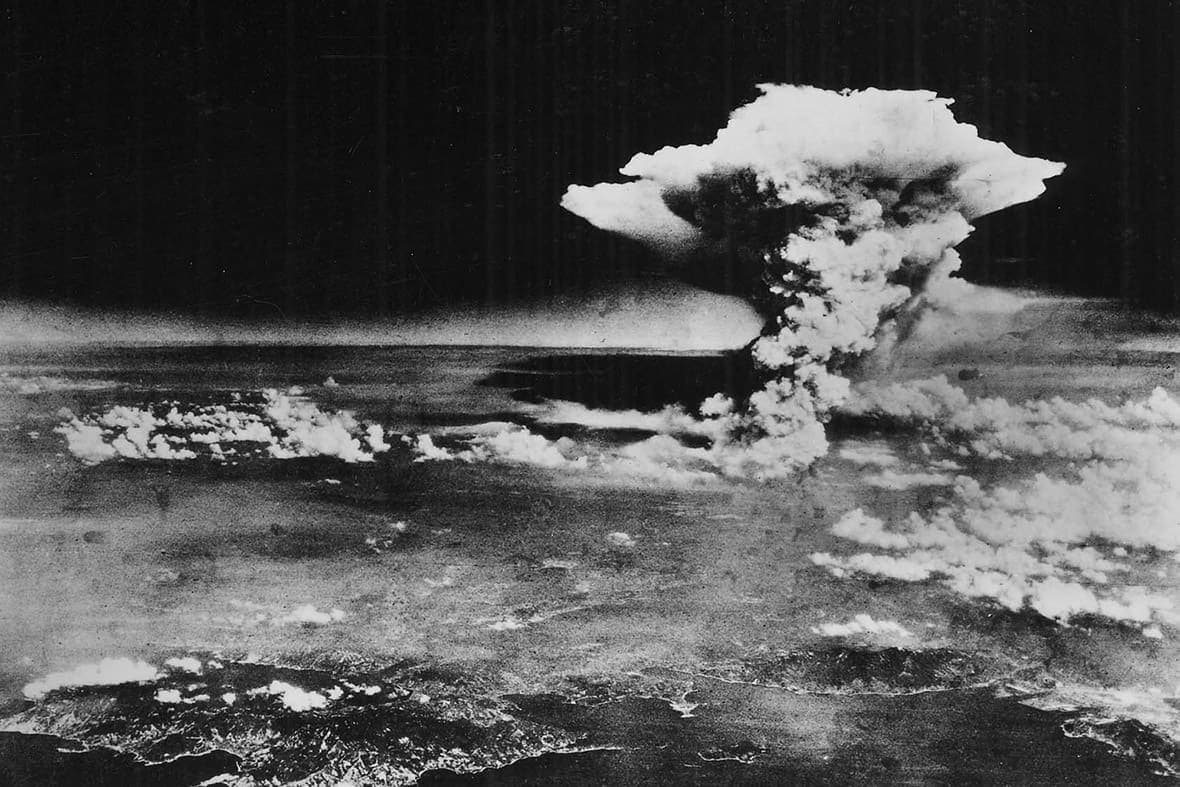
What Would Happen If Nuclear War Started? A Step-by-Step Guide
What happens if nuclear war starts? From first launch to nuclear winter: blast zones, fallout, infrastructure collapse, and long-term survival risks.
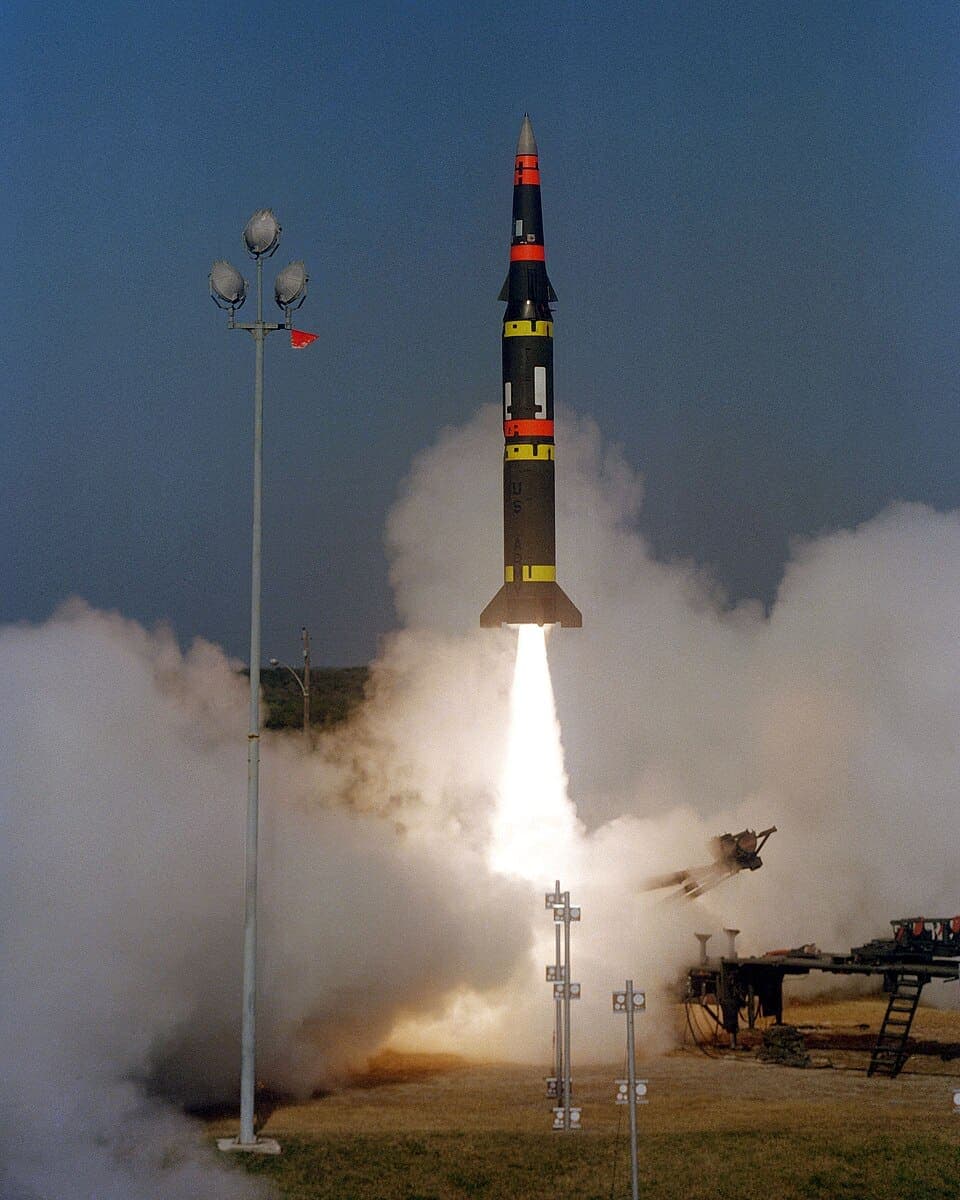
Able Archer 83: The 1983 Nuclear War Scare Explained
Able Archer 83 was a NATO drill in November 1983 that Moscow misread as a first strike, pushing Cold War tensions to their most dangerous point.
Russia vs US Nuclear Forces: 2026 Strategic Comparison
Russia and US nuclear forces compared by warheads, delivery systems, modernization, spending, and doctrine across the world's two largest arsenals.
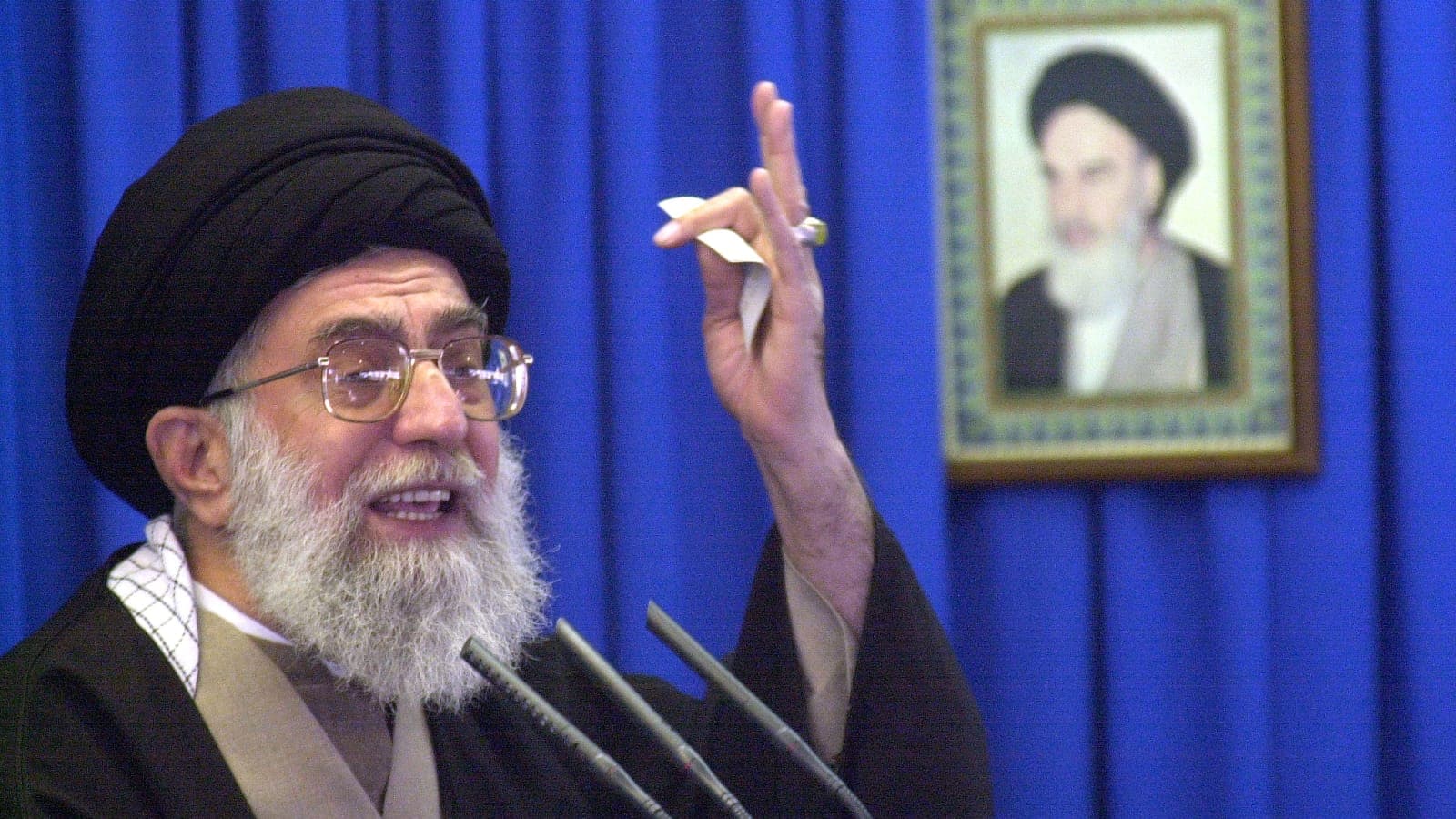
Ali Hosseini Khamenei: Biography, Power, and Nuclear Legacy
Biography of Iran's supreme leader, his power network, financial empire, nuclear strategy, and the succession crisis after his death in 2026.
Geneva Talks Collapse After US Enrichment Ultimatum
US-Iran Geneva nuclear talks collapsed on February 27, 2026 after Washington demanded a full enrichment halt, hours before Operation Epic Fury began.
New START Treaty Expiration 2026: What Changes Now
New START treaty expiration 2026 ended verified U.S.-Russia limits. See what changes for warheads, inspections, and escalation risk now.