United States Nuclear Forces and Military Power Profile
US nuclear force profile covering warheads, triad modernization, and global posture in the 2026 crisis environment.
Staff Reporting and Analysis. Produces source-backed reporting, explainers, and reference pages on nuclear risk, proliferation, and escalation dynamics.
Country Snapshot
Total warheads
5,044
Estimated stockpile size
Deployed warheads
1,770
First test
1945
Year of first nuclear test
NPT status
Member (Depository State)
Active military
1,328,000
GFP rank #1
Defense budget
$916B
Approximate annual military spending
Key Sources
Start with the strongest supporting documents and reporting behind this page.
Compare Key Metrics
Quick side-by-side comparison against other major nuclear profiles.
| Metric | 🇺🇸United States Current Page | 🇷🇺Russia | 🇨🇳China | 🇫🇷France |
|---|---|---|---|---|
| Total warheads | 5,044 | 5,580 | 600 | 290 |
| Deployed warheads | 1,770 | 1,710 | 24 | 280 |
| Active military | 1,328,000 | 1,320,000 | 2,035,000 | 205,000 |
| Defense budget | $916B | $109B | $292B | $56B |
| GFP rank | #1 | #2 | #3 | #6 |
| NPT status | Member (Depository State) | Member (Depository State) | Member (Depository State) | Member (Depository State) |
| First nuclear test | 1945 | 1949 | 1964 | 1960 |
Related Rivalries
These comparisons show how this state's force posture and doctrine stack up against key rivals.
Rivalry
Iran War vs Iraq War: How the 2026 and 2003 Conflicts Compare
Iran 2026 vs Iraq 2003 compared across legal authority, coalition structure, force design, economic shock, and the central role of nuclear risk.
Rivalry
US Military vs Iran Military: A Complete 2026 Comparison
US vs Iran military comparison across personnel, air and naval power, missiles, budgets, and how asymmetry shapes escalation outcomes in 2026.
Rivalry
Russia vs US Nuclear Forces: 2026 Strategic Comparison
Russia and US nuclear forces compared by warheads, delivery systems, modernization, spending, and doctrine across the world's two largest arsenals.
Related Doctrines
These explainers provide the strategic concepts that matter most for interpreting this country's nuclear profile.
Doctrine
What Is Mutually Assured Destruction (MAD)?
What is mutually assured destruction (MAD)? We explain the doctrine, Cold War logic, modern criticisms, and why MAD still shapes nuclear strategy.
Doctrine
What Is the Strait of Hormuz?
What is the Strait of Hormuz? A practical explainer on its geography, oil-flow importance, military vulnerability, and global economic consequences of closure.
Doctrine
Can the US Shoot Down a Nuclear Missile?
Can the US intercept a nuclear missile? This guide explains GMD, Aegis, THAAD, and why layered defenses still face major limits against large barrages.
The United States maintains the world's most powerful military and the second-largest nuclear arsenal. As the only nation to have used nuclear weapons in conflict (Hiroshima and Nagasaki, 1945), the US nuclear posture is a cornerstone of both its national defense strategy and the global deterrence framework. US nuclear weapons policy and military deployments are primary drivers of the current Doomsday Clock risk assessment.
Nuclear Arsenal
| Category | Count |
|---|---|
| Total warheads | ~5,044 |
| Deployed strategic | ~1,770 |
| Reserve / stockpile | ~3,708 |
| Retired (awaiting dismantlement) | ~1,336 |
The US nuclear stockpile is distributed across a full nuclear triad — land-based ICBMs, submarine-launched ballistic missiles, and strategic bombers — all undergoing a multi-decade modernization program estimated at $1.7 trillion.
Delivery Systems
Land-based ICBMs: The US operates 400 Minuteman III ICBMs housed in silos across Montana, Wyoming, North Dakota, Colorado, and Nebraska. The LGM-35A Sentinel is the planned replacement, though the program has faced cost overruns.
Submarine-launched ballistic missiles (SLBMs): 14 Ohio-class ballistic missile submarines (SSBNs) carry Trident II D5 SLBMs. Each submarine carries up to 20 missiles with multiple independently targetable reentry vehicles (MIRVs). The Columbia-class SSBN is the planned replacement.
Strategic bombers: The US Air Force operates B-52H Stratofortress and B-2A Spirit stealth bombers. The B-21 Raider is entering service as the next-generation stealth bomber. These aircraft can deliver both nuclear gravity bombs (B61-12) and air-launched cruise missiles (AGM-86B ALCM).
Non-strategic nuclear weapons: The US maintains approximately 200 B61 tactical nuclear gravity bombs, including ~100 forward-deployed in Europe under NATO nuclear sharing arrangements.
Military Overview
| Metric | Value |
|---|---|
| GFP Rank | #1 of 145 |
| GFP Score | 0.0699 |
| Active military | 1,328,000 |
| Reserve forces | 799,500 |
| Military budget | $916 billion |
The United States holds the top Global Firepower ranking with the world's largest military budget, the most advanced air force, 11 nuclear-powered aircraft carriers, and global power projection capabilities unmatched by any other nation.
Role in Current Nuclear Risk
The US is at the center of the current nuclear risk escalation:
- Iran crisis: Operation Epic Fury and ongoing US military strikes against Iranian targets have placed the US in direct conflict with a nuclear-threshold state. The buildup of US forces in the Middle East is the most significant since the 2003 Iraq War.
- Extended deterrence: US nuclear umbrella commitments to NATO, Japan, South Korea, and other allies create potential flashpoints across multiple theaters.
- Nuclear modernization: The $1.7 trillion modernization of the nuclear triad is the largest since the Cold War, with critics arguing it lowers the threshold for use.
- Arms control: The expiration of New START with Russia and lack of progress on new arms control treaties with China have reduced nuclear risk guardrails.
Operation Epic Fury: The US Campaign Against Iran
The United States launched Operation Epic Fury on February 28, 2026 — the most significant American military campaign since the 2003 Iraq invasion and the first US military strikes against a near-nuclear state's enrichment infrastructure.
Force deployment: The Pentagon has deployed approximately 50,000 military personnel to the Persian Gulf region, including two carrier strike groups, 120+ combat aircraft, THAAD and Patriot missile defense batteries, and ground forces across six host nations. B-2 Spirit stealth bombers flying from Diego Garcia delivered GBU-57 Massive Ordnance Penetrators against Fordow's underground enrichment halls — the first combat use of the weapon's full penetration capability.
Congressional war powers debate: The administration launched strikes without seeking an Authorization for Use of Military Force, citing Article II commander-in-chief powers and the 2001 AUMF. Multiple lawmakers from both parties have challenged this legal basis. Senator Tim Kaine introduced a War Powers Resolution to force a withdrawal vote within 60 days. The constitutional confrontation over war powers is the most significant since the 2011 Libya intervention.
Economic consequences: The conflict has produced immediate domestic impact. The Strait of Hormuz blockade pushed gasoline prices above $5/gallon nationally, with 11 states declaring fuel emergencies by Day 3. The administration announced a coordinated Strategic Petroleum Reserve release, but analysts note that SPR drawdowns cannot compensate for the sustained loss of 20% of global oil supply. The economic dimension creates a political clock running parallel to the military one — every day of elevated prices increases domestic pressure either to escalate (break the blockade by force) or de-escalate (negotiate a reopening).
Alliance management: Gulf states hosting US forces — Qatar, Bahrain, UAE, Kuwait — have carefully avoided characterizing their role as participation in offensive operations, aware that Iran's retaliatory strikes targeted US installations on their soil. The bilateral nature of the operation (only Israel as a partner) limits the coalition support structure that sustained the 2003 Iraq campaign for nearly a decade.
Nuclear precedent: Operation Epic Fury established the first precedent since Israel's 1981 Osirak strike for the use of military force to prevent nuclear proliferation. Whether this precedent deters future proliferators or accelerates them — by demonstrating that only a completed weapon prevents attack — is the central strategic question facing US policymakers.
Related Articles
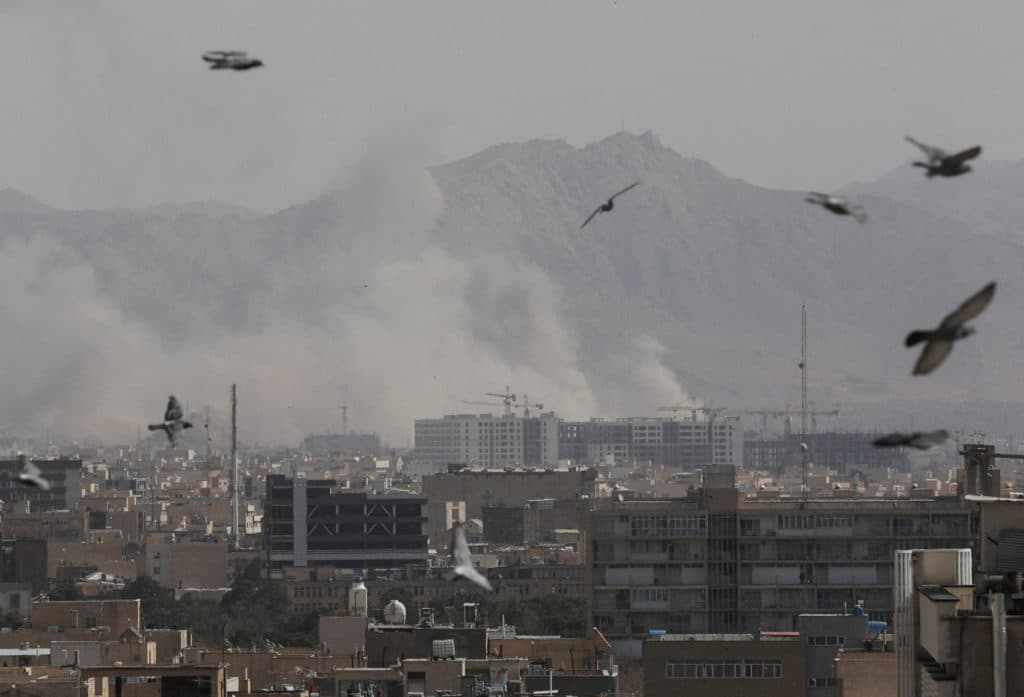
Trump Vows More Iran Strikes as US Expands Mideast Forces
President Trump pledged additional strikes while the Pentagon confirmed roughly 50,000 US personnel and major naval-air assets deployed across the region.
Iran War vs Iraq War: How the 2026 and 2003 Conflicts Compare
Iran 2026 vs Iraq 2003 compared across legal authority, coalition structure, force design, economic shock, and the central role of nuclear risk.
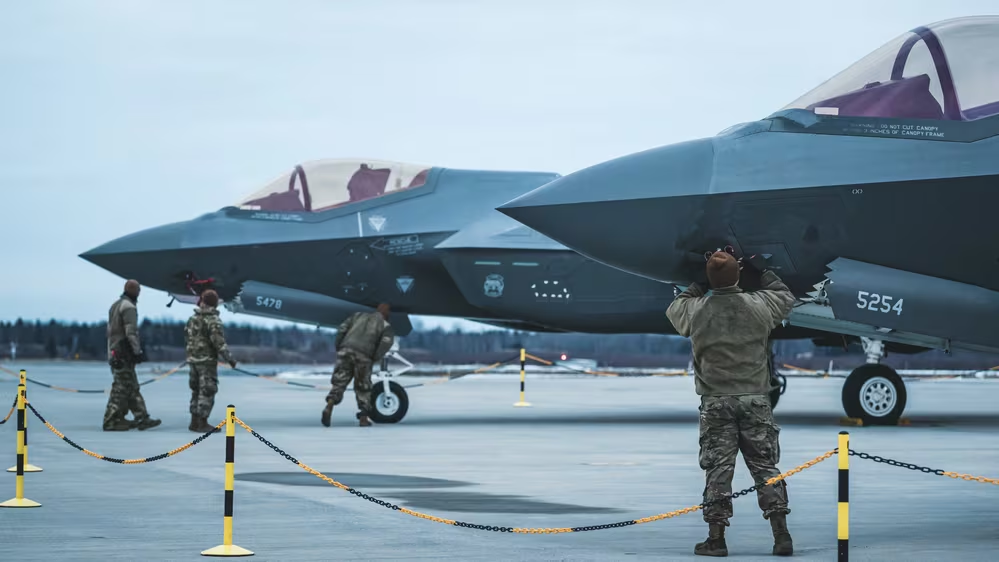
Trump Says 'Too Late' for Iran Talks as Israel Hits Tehran
On Day 4 of Operation Epic Fury, Trump rejected renewed talks as Israeli strikes hit Tehran, oil rose, and global markets reacted to widening conflict risk.
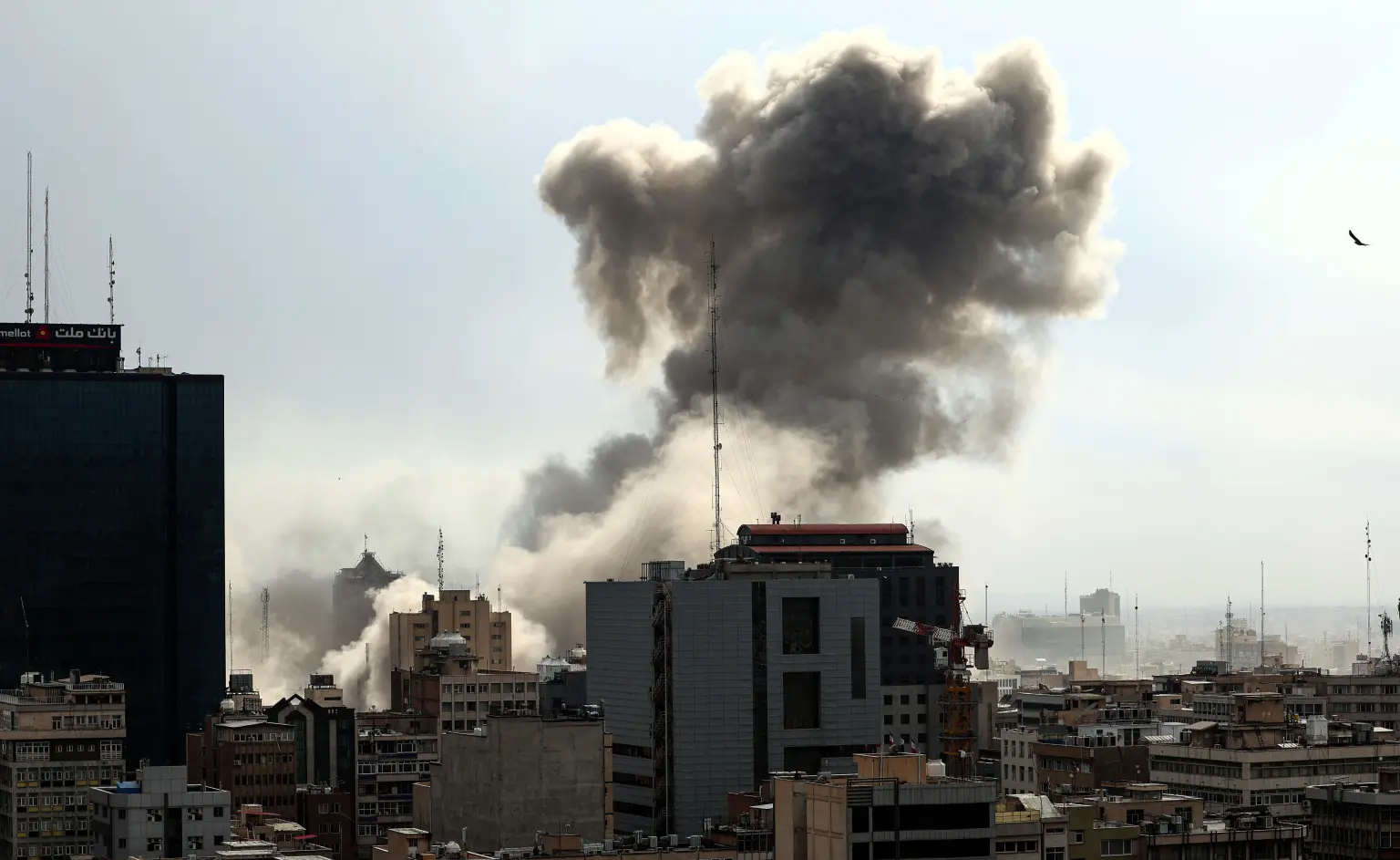
US Deploys 50,000 Troops as Operation Epic Fury Expands
The Pentagon confirmed a major Gulf buildup, including two carrier groups and 120+ aircraft, as Washington signaled continued operations against Iran.
Iran War Timeline 2026: Escalation From Talks to Open Conflict
A step-by-step Iran war timeline from late-2025 diplomatic breakdown to Operation Epic Fury, retaliatory strikes, Hormuz disruption, and ongoing escalation.
Did Iran Attack the U.S. Today?
Yes. Iran launched six waves of missiles and drones at U.S. bases in the Gulf after Operation Epic Fury on February 28, 2026.