Russia Nuclear Forces and Military Power Profile
Russia's nuclear force structure, modernization priorities, and strategic doctrine across the world's largest warhead inventory.
Staff Reporting and Analysis. Produces source-backed reporting, explainers, and reference pages on nuclear risk, proliferation, and escalation dynamics.
Country Snapshot
Total warheads
5,580
Estimated stockpile size
Deployed warheads
1,710
First test
1949
Year of first nuclear test
NPT status
Member (Depository State)
Active military
1,320,000
GFP rank #2
Defense budget
$109B
Approximate annual military spending
Key Sources
Start with the strongest supporting documents and reporting behind this page.
Compare Key Metrics
Quick side-by-side comparison against other major nuclear profiles.
| Metric | 🇷🇺Russia Current Page | 🇺🇸United States | 🇨🇳China | 🇫🇷France |
|---|---|---|---|---|
| Total warheads | 5,580 | 5,044 | 600 | 290 |
| Deployed warheads | 1,710 | 1,770 | 24 | 280 |
| Active military | 1,320,000 | 1,328,000 | 2,035,000 | 205,000 |
| Defense budget | $109B | $916B | $292B | $56B |
| GFP rank | #2 | #1 | #3 | #6 |
| NPT status | Member (Depository State) | Member (Depository State) | Member (Depository State) | Member (Depository State) |
| First nuclear test | 1949 | 1945 | 1964 | 1960 |
Related Rivalries
These comparisons show how this state's force posture and doctrine stack up against key rivals.
Rivalry
Iran War vs Iraq War: How the 2026 and 2003 Conflicts Compare
Iran 2026 vs Iraq 2003 compared across legal authority, coalition structure, force design, economic shock, and the central role of nuclear risk.
Rivalry
Russia vs US Nuclear Forces: 2026 Strategic Comparison
Russia and US nuclear forces compared by warheads, delivery systems, modernization, spending, and doctrine across the world's two largest arsenals.
Rivalry
Is This Like the Cuban Missile Crisis? Comparing 1962 and 2026
A 1962 vs 2026 comparison of decision windows, nuclear proximity, escalation control, and why the Iran crisis is framed as a modern Cuban Missile moment.
Related Doctrines
These explainers provide the strategic concepts that matter most for interpreting this country's nuclear profile.
Doctrine
What Is the Strait of Hormuz?
What is the Strait of Hormuz? A practical explainer on its geography, oil-flow importance, military vulnerability, and global economic consequences of closure.
Doctrine
What Is Mutually Assured Destruction (MAD)?
What is mutually assured destruction (MAD)? We explain the doctrine, Cold War logic, modern criticisms, and why MAD still shapes nuclear strategy.
Doctrine
How Many Nukes Would It Take to Destroy the World?
How many weapons could trigger civilization-scale collapse? We break down nuclear-winter science, blast and fallout effects, and risk from limited exchanges.
Russia possesses the world's largest nuclear arsenal and ranks as the second most powerful military force globally. As one of the five recognized nuclear-weapon states under the Non-Proliferation Treaty (NPT) and a permanent member of the UN Security Council, Russia's nuclear weapons program is central to its national security doctrine and shapes global nuclear risk calculations.
Nuclear Arsenal
| Category | Count |
|---|---|
| Total warheads | ~5,580 |
| Deployed strategic | ~1,710 |
| Reserve / stockpile | ~4,380 |
| Retired (awaiting dismantlement) | ~1,200 |
Russia maintains the largest nuclear stockpile of any nation. Its deployed strategic warheads are spread across a nuclear triad of land-based intercontinental ballistic missiles (ICBMs), submarine-launched ballistic missiles (SLBMs), and strategic bombers.
Delivery Systems
Land-based ICBMs: Russia operates approximately 326 ICBMs across several types, including the SS-18 Satan, SS-27 Mod 2 (Yars), and the RS-28 Sarmat (Satan II) — a heavy ICBM capable of carrying up to 10 MIRVed warheads with a range exceeding 18,000 km.
Submarine-launched ballistic missiles (SLBMs): Russia's nuclear submarine fleet includes Borei-class submarines armed with RSM-56 Bulava SLBMs. Each submarine carries 16 missiles with up to 6 warheads each.
Strategic bombers: The Russian Aerospace Forces operate Tu-160 Blackjack and Tu-95MS Bear-H bombers capable of delivering nuclear-armed cruise missiles, including the Kh-102 air-launched cruise missile.
Non-strategic (tactical) nuclear weapons: Russia maintains an estimated 1,558 tactical nuclear warheads for use with short-range missiles, torpedoes, depth charges, and artillery — the largest tactical nuclear arsenal in the world.
Military Overview
| Metric | Value |
|---|---|
| GFP Rank | #2 of 145 |
| GFP Score | 0.0702 |
| Active military | 1,320,000 |
| Reserve forces | 2,000,000 |
| Military budget | $109 billion |
Russia's military is the second-largest in the world by conventional strength rating, with extensive ground forces, a modernizing navy, and advanced air defense systems including the S-400 and S-500.
Role in Current Nuclear Risk
Russia's nuclear posture directly affects the Doomsday Clock. Key risk factors include:
- Nuclear doctrine: Russia's 2020 nuclear doctrine permits first use of nuclear weapons in response to conventional attacks threatening state existence. In 2024, Russia lowered this threshold further.
- Ukraine conflict: The ongoing war in Ukraine has seen repeated nuclear rhetoric from Russian officials and changes to deployment postures.
- Arms control collapse: The suspension of New START inspections and the withdrawal from the Comprehensive Test Ban Treaty (CTBT) ratification have weakened guardrails.
- Iran crisis: Russia's diplomatic positioning on the Iran nuclear situation and its relationships with regional actors add complexity to the current escalation.
Position on the Iran Crisis
Russia's response to Operation Epic Fury reflects a calculated balancing act between opposing US military action and avoiding direct confrontation with Washington while it remains engaged in Ukraine.
Diplomatic positioning: Russia condemned the US-Israeli strikes as "an act of aggression against a sovereign state" and called for an emergency UN Security Council session. However, when the session convened, Russia abstained rather than vetoing — a notable choice that suggests Moscow wants to criticize the operation without committing to action that would further strain its relationship with the West.
Energy leverage: Russia is a direct beneficiary of the Strait of Hormuz blockade. With 20% of global oil supply removed from the market, Russian crude commands higher prices and displaces Gulf supply for Asian buyers. Brent crude above $125/barrel generates windfall revenue for Moscow at a time when war expenditures in Ukraine are straining the Russian budget. Russia has no incentive to help reopen the strait quickly.
Arms and military ties: Russia previously sold Iran the S-300 air defense system and has conducted joint naval exercises with Iran in the Indian Ocean. The effectiveness (or failure) of Russian-supplied air defenses against American stealth aircraft and precision munitions is being closely studied by military analysts worldwide — with implications for Russian arms export credibility and NATO defense planning.
Ukraine calculus: The Iran crisis diverts American military assets and political attention from Ukraine. Every B-2 bomber sortie over Iran, every Patriot battery deployed to the Gulf, and every hour of White House crisis management is a resource not directed at supporting Kyiv. Some analysts assess that Russia may view a prolonged US-Iran conflict as strategically advantageous for its own objectives in Eastern Europe.
Nuclear precedent: The destruction of a NPT signatory state's nuclear facilities by military force creates a precedent that Russia views with ambivalence. Moscow benefits from the NPT framework as a recognized nuclear-weapon state, and the erosion of nonproliferation norms could encourage nuclear proliferation among states Russia considers adversaries. However, Russia has also used concerns about Ukrainian nuclear capabilities as justification for its own military operations.
Related Articles
Iran War vs Iraq War: How the 2026 and 2003 Conflicts Compare
Iran 2026 vs Iraq 2003 compared across legal authority, coalition structure, force design, economic shock, and the central role of nuclear risk.
Nuclear Threat Assessment: Where the Iran Crisis Goes From Here
A scenario-based nuclear threat assessment of the Iran crisis, including leadership instability, damaged facilities, and pathways to escalation or containment.
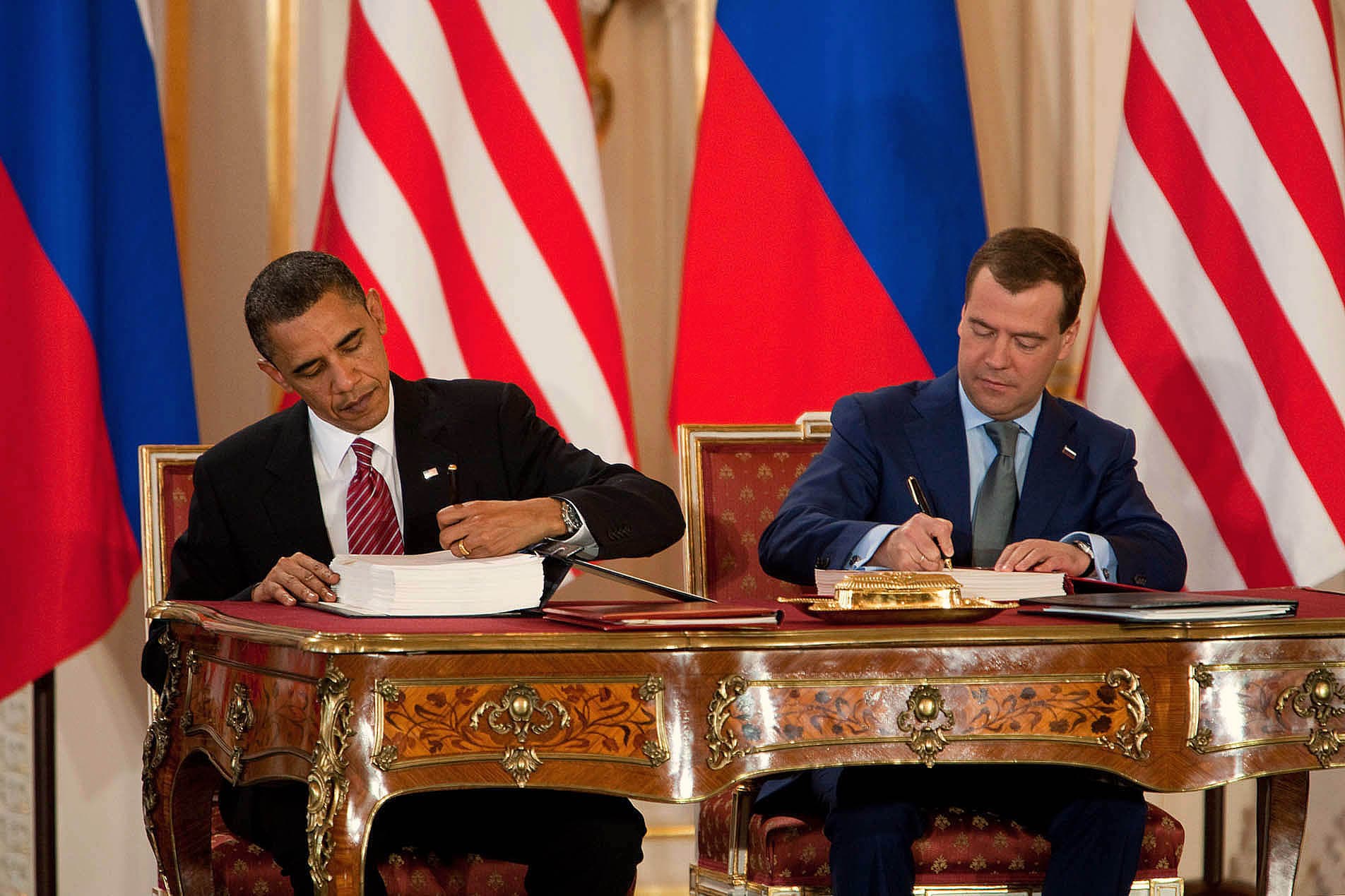
New START Treaty Expiration 2026: What Changes Now
New START treaty expiration 2026 ended verified U.S.-Russia limits. See what changes for warheads, inspections, and escalation risk now.
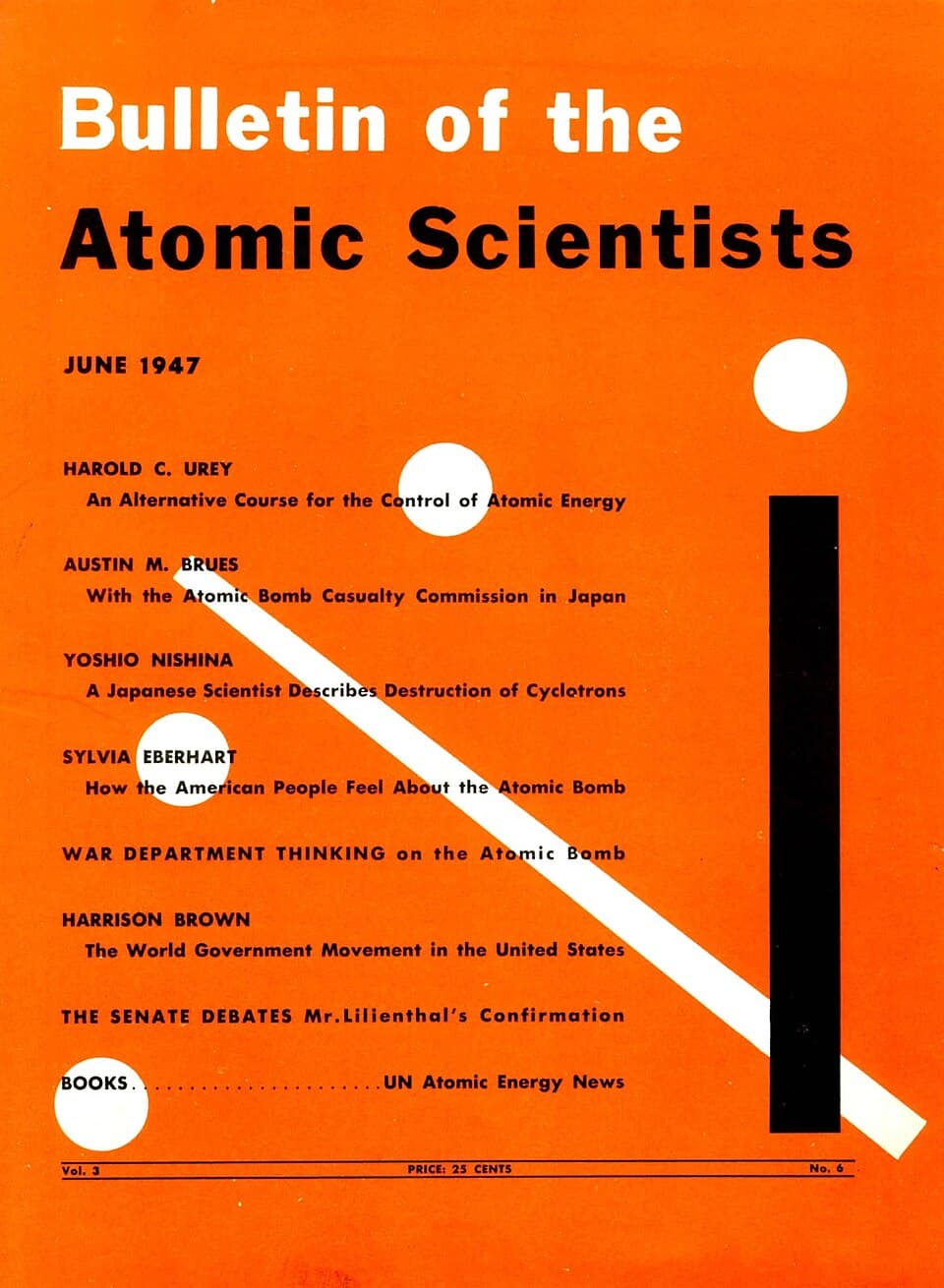
Doomsday Clock History: Every Setting From 1947 to 2025
Doomsday Clock history year by year: from 7 minutes to midnight in 1947 to 89 seconds in 2025. Full timeline of every setting, what changed, and why it matters.
Russia vs US Nuclear Forces: 2026 Strategic Comparison
Russia and US nuclear forces compared by warheads, delivery systems, modernization, spending, and doctrine across the world's two largest arsenals.
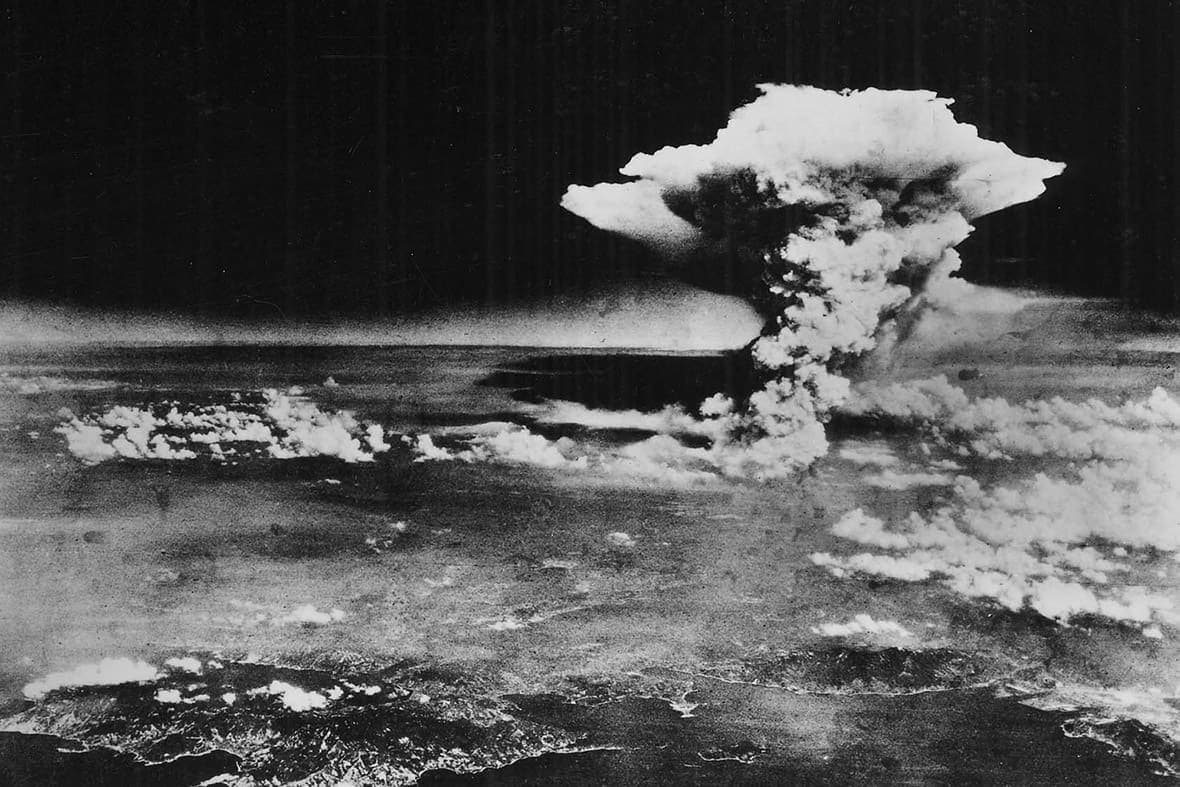
What Would Happen If Nuclear War Started? A Step-by-Step Guide
What happens if nuclear war starts? From first launch to nuclear winter: blast zones, fallout, infrastructure collapse, and long-term survival risks.