Nuclear Flash Blindness Distance: What Civilians Should Know
Nuclear flash blindness distance explained: day vs night ranges, eye injury risk, and immediate actions that reduce harm after a nuclear detonation.
Staff Reporting and Analysis. Produces source-backed reporting, explainers, and reference pages on nuclear risk, proliferation, and escalation dynamics.
Key Sources
Start with the strongest supporting documents and reporting behind this page.
Primary Documents
Start with the strongest official or documentary records behind this explainer.
Where This Matters Now
Recent articles where this concept is actively shaping the current crisis.
In Current Coverage
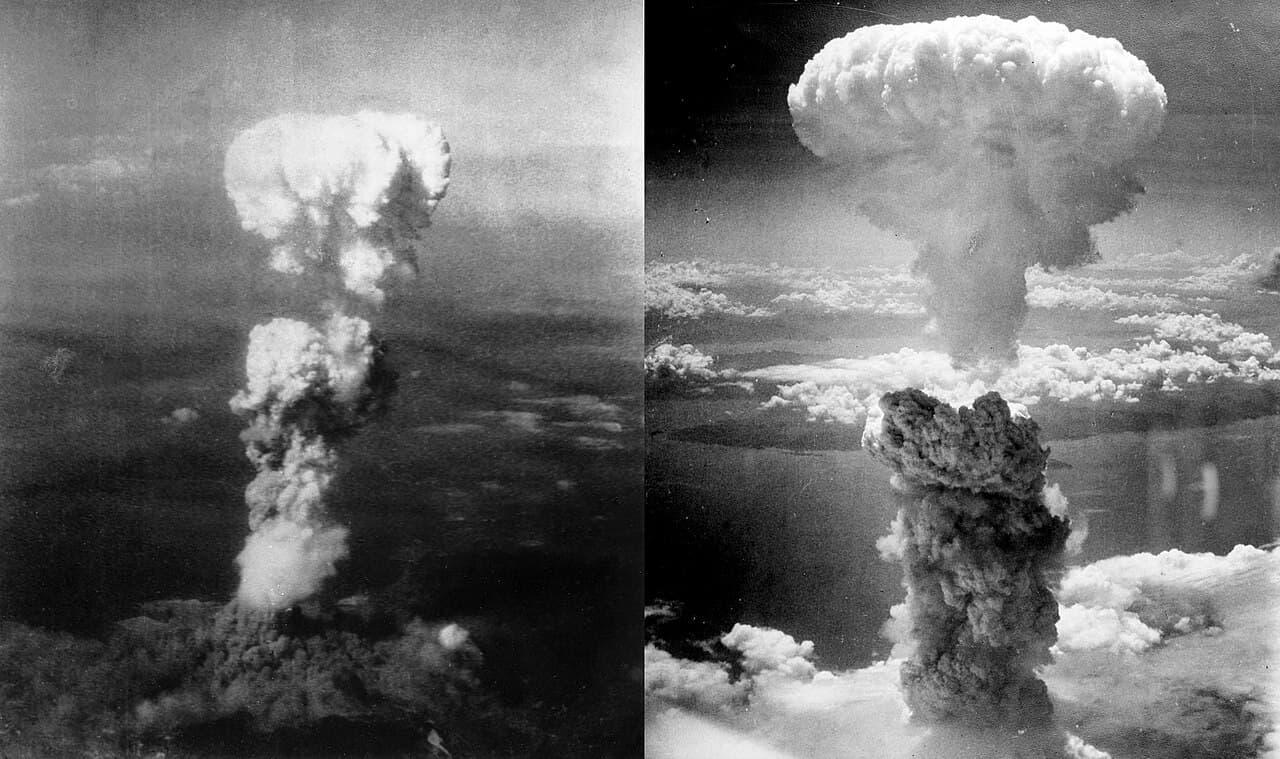
Hiroshima and Nagasaki: What Happened When the Bombs Fell
On August 6 and 9, 1945, U.S. atomic bombs devastated Hiroshima and Nagasaki. Here is what happened, who died, and what radiation did after.
2026-03-03
In Current Coverage
Tsar Bomba: The Biggest Nuclear Weapon Ever Tested
Tsar Bomba, tested by the Soviet Union on October 30, 1961, yielded about 57 megatons, becoming the most powerful man-made explosion ever recorded.
2026-03-03
In Current Coverage
What Would Happen If Nuclear War Started? A Step-by-Step Guide
What happens if nuclear war starts? From first launch to nuclear winter: blast zones, fallout, infrastructure collapse, and long-term survival risks.
2026-03-03
Related Concepts
Companion explainers that deepen the strategic logic around this topic.
Concept
Radiation Dose Chart: Levels and Risks
Radiation dose chart guide: compare mSv, rem, Gy, symptoms, and emergency action thresholds before you act.
2026-05-27
Concept
Nuclear Fallout Map: How to Read One
Nuclear fallout map guidance: read wind plumes, timing, and shelter zones without false certainty. Learn the signals that matter.
2026-05-13
Concept
Does Duck and Cover Work? What Physics Says
Does duck and cover work in a nuclear attack? It can reduce blast injuries, but only when paired with immediate indoor shelter and fallout protection.
2026-04-12
Nuclear flash blindness distance is not a fringe detail; it is one of the first injury mechanisms in a nuclear detonation because light arrives before sound and blast pressure. If the fireball is in your line of sight, your eyes can be overwhelmed in seconds, especially at night when pupils are dilated. U.S. preparedness guidance from FEMA, REMM, CDC, and Ready.gov aligns on one sequence: avoid viewing the flash, get below windows immediately, then move into the best available interior shelter.
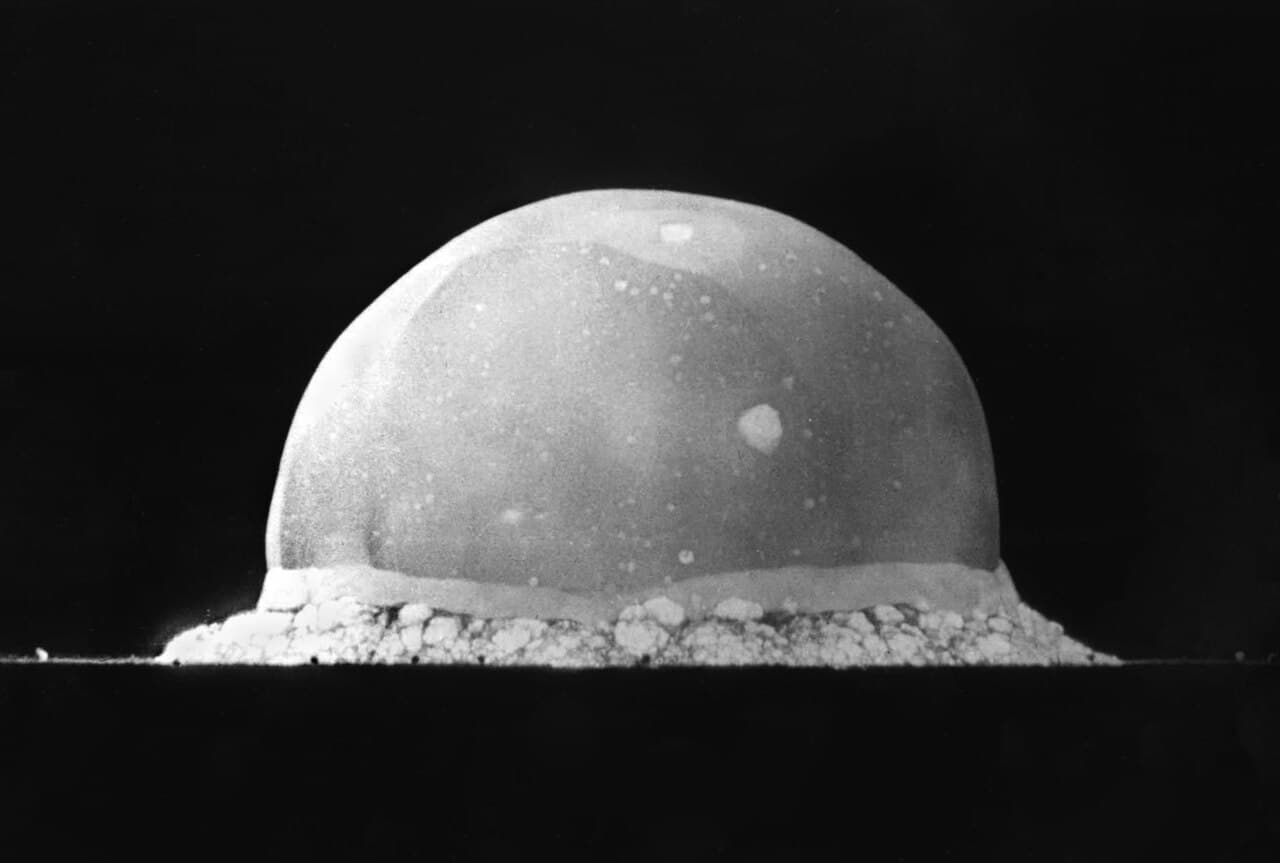
How far can a nuclear blast cause flash blindness?
Flash blindness can occur far beyond severe blast-damage zones because light energy spreads differently than overpressure effects. In practical terms, people who are not close enough to experience structural collapse can still suffer temporary visual impairment if they look directly at the fireball.
Practical distance logic
| Effect | Typical distance behavior | Key variables |
|---|---|---|
| Temporary flash blindness | Can extend miles beyond heavy structural damage | Yield, line of sight, daylight vs nighttime |
| Retinal injury risk | Lower probability but more serious when direct viewing occurs | Direct gaze, pupil size, atmospheric clarity |
| Thermal skin burn risk | Often overlaps with broader thermal pulse footprint | Clothing coverage, orientation, weather haze |
The REMM flash blindness reference emphasizes that this effect is retinal overload from the initial brilliant flash. It does not require blast contact to happen.
Is nuclear flash blindness permanent?
Usually, flash blindness is temporary, but permanent eye injury can occur in some exposures, particularly when someone stares toward the fireball and receives enough retinal thermal dose. Medical literature summarized in Burn and Blast Casualties: Triage in Nuclear War distinguishes temporary visual loss from retinal burns that can produce lasting deficits.
Temporary vs permanent outcomes
| Outcome type | Typical course | Operational implication |
|---|---|---|
| Temporary flash blindness | Seconds to minutes, sometimes longer in darkness | Increased risk of falls, crashes, and delayed sheltering |
| Afterimage/dazzle effects | Minutes to hours depending on brightness and contrast | Navigation and decision quality degradation |
| Retinal burn injury | Potentially lasting impairment | Requires medical evaluation and can reduce long-term visual function |
The key preparedness point is that even temporary blindness can be life-threatening in the first minute if it keeps you in a windowed or outdoor position while blast wave and debris hazards develop.
Why is flash blindness worse at night?
Nighttime exposure risk is higher because the eye is dark-adapted. Dilated pupils allow more light to strike the retina, so the same detonation can produce stronger visual effects at larger distances after sunset.
Day vs night risk table
| Condition | Pupil state | Relative flash blindness range trend |
|---|---|---|
| Bright daytime | Constricted | Shorter functional impact range |
| Dusk/dawn | Intermediate | Moderate expansion of risk range |
| Clear night | Dilated | Longest temporary blindness risk range |
This is one reason emergency planning should assume broader visual disruption at night than daytime for similar event geometry.
Can closed eyes protect you from nuclear flash?
Closed eyelids help but do not fully eliminate risk. Eyelids reduce direct intensity, yet an extreme flash can still create severe dazzle and temporary impairment. Also, most people react after first exposure, not before it, so behavior timing still matters.
What helps most in the first seconds
- Turn away from the flash immediately.
- Drop below window level or behind solid structure.
- Cover eyes with forearm while moving.
- Stay down until shockwave passes.
This is behavior, not gear. Households get more risk reduction from trained reflexes than from complex equipment purchases.
What should you do right after the flash?
The first minute is a sequence problem. People lose safety margin when they improvise or run outdoors.
60-second response protocol
| Time window | Priority action | Why it matters |
|---|---|---|
| 0-5 seconds | Turn away, drop, shield eyes/face | Reduces direct visual and glass injury exposure |
| 5-20 seconds | Stay down, avoid windows and doors | Blast wave may arrive after flash |
| 20-60 seconds | Move to interior shelter route | Starts dose-reduction clock for fallout risk |
For full movement protocol after this first minute, pair this guide with What to Do During Nuclear Alert and Nuclear Shelter Checklist.
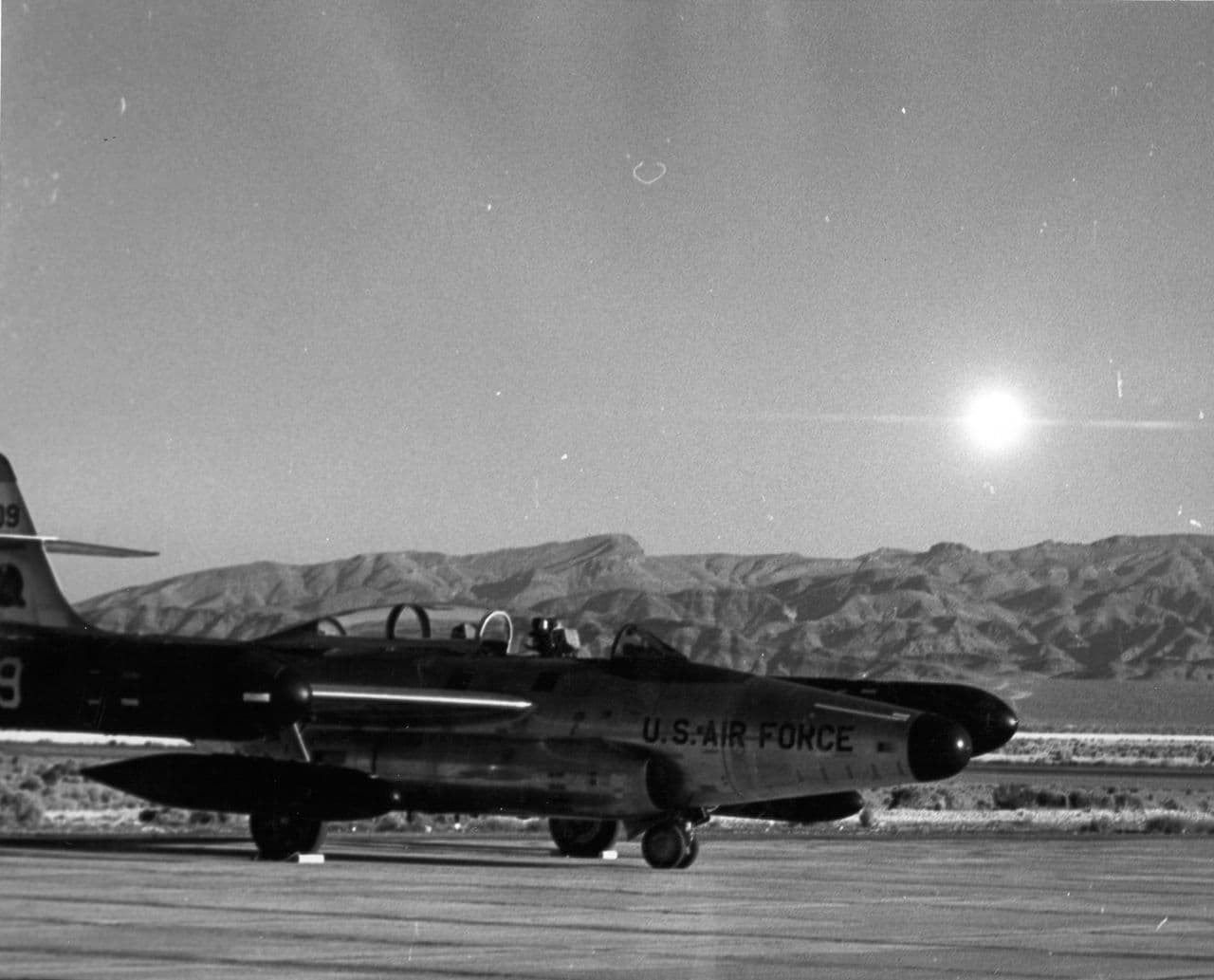
How flash blindness connects to blast and fallout risk
Many people treat flash blindness as a standalone injury, but operationally it is a force multiplier for other hazards. If vision is degraded, you are slower to get out of window lines, slower to reach interior shelter, and more likely to make route mistakes.
Cascading risk chain
| Initial event | Secondary consequence | Outcome risk |
|---|---|---|
| Flash blindness | Delayed movement | More exposure to broken-glass and pressure effects |
| Visual disorientation | Poor route choice | Greater outdoor time before shelter |
| Panic response | Repeated exposure at windows | Higher chance of cut/impact injuries |
This cascade explains why preparedness agencies focus on simple, rehearsable actions. You do not need perfect situational awareness to reduce risk; you need a reliable default sequence.
Nuclear thermal radiation distance vs blast distance
Thermal radiation and blast overpressure are related but not identical footprints. Thermal and visual effects can meaningfully reach farther than zones of major structural collapse, depending on yield and atmospheric conditions.
Comparison framework
| Hazard type | Typical injury mode | Distance behavior |
|---|---|---|
| Thermal/flash | Burns, eye injury, dazzle | Can extend to wider visible range |
| Blast overpressure | Structural damage, debris trauma | Drops rapidly with distance |
| Fallout | External dose over time | Depends on wind/deposition, not just radial distance |
If you need broader fallout timing logic after initial sheltering, see How Long Does Nuclear Fallout Last.
Who is most vulnerable to visual injury in the first minute?
Not everyone faces equal risk at the same distance. Exposure geometry and behavior matter as much as location.
Higher-vulnerability contexts
- Drivers facing the detonation direction at night.
- People near large glass facades who pause to observe the flash.
- Pedestrians on open streets without immediate cover.
- Workers on elevated floors with direct skyline exposure.
- Anyone using binoculars or optical devices at the moment of flash.
Why drivers need special planning
Temporary blindness plus roadway speed can produce immediate collision risk even if blast effects are still seconds away. Driver protocol should prioritize controlled deceleration, avoiding abrupt lane changes, and moving toward cover only when immediate collision risk is managed.
Urban vs suburban differences in flash-blindness consequences
Urban cores and suburban areas may experience different injury patterns even under similar flash intensity because built environments change how quickly people can shelter.
| Environment | Typical advantage | Typical risk |
|---|---|---|
| Dense urban core | More nearby structures for immediate cover | More glass, reflections, and façade hazards |
| Suburban areas | Detached homes may provide fast private shelter | Longer outdoor travel from vehicles or open lots |
| Industrial corridors | Some hardened structures available | Complex obstacle fields and secondary hazards |
The takeaway is that planning should be location-specific. Preselecting shelter spots in regular routes (home, work, commute) beats trying to invent decisions under visual stress.
Does weather change nuclear flash blindness distance?
Yes. Atmospheric clarity, haze, cloud layers, and smoke can all alter visual intensity at distance. Clear air can increase line-of-sight intensity, while haze may diffuse light but does not guarantee safety.
Weather effects at a glance
| Condition | Visual effect trend |
|---|---|
| Clear, dry air | Stronger direct line-of-sight brightness |
| Light haze | Some diffusion, still high dazzle potential |
| Dense cloud/smoke | Can reduce direct intensity in some vectors but increases uncertainty |
| Snow/bright reflective surfaces | May elevate scatter and glare burden |
Preparedness decisions should treat weather as a modifier, not a protective strategy.
Eye injury first aid: what to do and what not to do
If someone reports severe visual disturbance after a flash, prioritize safety and contamination control first, then medical assessment.
Immediate first-aid priorities
- Move to safer interior shelter location.
- Avoid eye rubbing.
- Reduce bright-light exposure in shelter area.
- Monitor for persistent pain, spots, or vision asymmetry.
- Seek medical guidance when communication channels are available.
Common mistakes
- Assuming "I can see now" means no injury occurred.
- Returning to windows to check outside conditions.
- Delaying shelter while searching online for symptom labels.
The first medical objective is preventing additional hazard exposure, not perfect diagnosis in minute one.
Household planning: train behavior, not panic
You can materially reduce flash-related risk with a short household drill. The drill should be boring and repetitive by design.
Five-minute home drill
| Minute | Drill action |
|---|---|
| 0-1 | Simulate flash cue: everyone turns away and drops below window line |
| 1-2 | Practice moving to preselected interior room |
| 2-3 | Assign roles: information lead, logistics lead, contamination lead |
| 3-4 | Confirm radio/phone backup and lighting plan |
| 4-5 | Review no-window and no-outdoor-check rule |
This approach mirrors public guidance and is easier to execute under stress than detailed checklists never rehearsed.
Flash blindness and children: what changes?
The main change is supervision complexity, not fundamentally different physics. Children may freeze, look toward novelty, or separate from adults in crowded settings.
Child-focused protocol adjustments
- Use a simple cue phrase: "Turn down, face wall, move inside."
- Preassign one adult to physical guidance during movement.
- Keep child eye-level routes clear of reflective glass where possible.
- Build familiarity with shelter room to reduce panic resistance.
In schools or daycare environments, repetitive drills and clear adult role allocation can be more valuable than advanced equipment.
Flash blindness in vehicles, transit, and public spaces
Commute settings are one of the most likely real-world exposure contexts because people are often looking outward and have limited immediate shielding.
Transport-specific decision table
| Setting | First action | Next action |
|---|---|---|
| Personal vehicle | Look away, decelerate safely, avoid hard steering input | Move to nearest substantial indoor shelter |
| Bus/train platform | Drop below sightline, avoid platform edge | Follow staff/emergency instructions to interior zone |
| Open public square | Turn away and take cover behind substantial structure | Relocate indoors immediately after shockwave window |
People overestimate how far they can run and underestimate how much risk reduction comes from the nearest solid interior space.
How this topic differs from fallout-only guides
Fallout guides prioritize hours-to-days dose management. Flash blindness is a seconds-to-minutes problem that can determine whether you successfully reach fallout shelter in time. They are linked, but not interchangeable.
- Flash guidance answers: "How do I avoid immediate visual and blast-adjacent injury?"
- Fallout guidance answers: "How do I reduce ongoing radiation dose after sheltering?"
Use this page with Best Room for Nuclear Fallout to connect immediate behavior with shelter quality decisions.