New START Treaty Expiration 2026: What Changes Now
New START treaty expiration 2026 ended verified U.S.-Russia limits. See what changes for warheads, inspections, and escalation risk now.
Staff Reporting and Analysis. Produces source-backed reporting, explainers, and reference pages on nuclear risk, proliferation, and escalation dynamics.
Key Sources
Start with the strongest supporting documents and reporting behind this page.
Country Profiles Mentioned
Open the profile pages for the countries referenced directly in this article.
Related Rivalries
These comparison pages help place this article inside the broader balance of power and rivalry structure.
Rivalry
Is This Like the Cuban Missile Crisis? Comparing 1962 and 2026
A 1962 vs 2026 comparison of decision windows, nuclear proximity, escalation control, and why the Iran crisis is framed as a modern Cuban Missile moment.
2026-03-03
Rivalry
Russia vs US Nuclear Forces: 2026 Strategic Comparison
Russia and US nuclear forces compared by warheads, delivery systems, modernization, spending, and doctrine across the world's two largest arsenals.
2026-03-03
Rivalry
India vs Pakistan Nuclear Weapons: A Complete 2026 Comparison
India vs Pakistan nuclear comparison: warheads, delivery systems, doctrines, defense spending, and how Kashmir escalation could strain deterrence.
2026-03-03
Related Doctrines
These explainers provide the strategic concepts behind the escalation, deterrence, and risk logic discussed here.
Doctrine
What Is Mutually Assured Destruction (MAD)?
What is mutually assured destruction (MAD)? We explain the doctrine, Cold War logic, modern criticisms, and why MAD still shapes nuclear strategy.
2026-03-03
Doctrine
Tactical vs Strategic Nuclear Weapons: Key Differences
Tactical vs strategic nuclear weapons explained with doctrine, ranges, yields, targets, and escalation risk so you can read nuclear headlines without confusion.
2026-04-27
Doctrine
No First Use Nuclear Policy: Meaning, Limits, and Risk
No first use nuclear policy lowers first-strike pressure when doctrine and posture align. Compare NFU states, loopholes, and real crisis effects.
2026-03-20
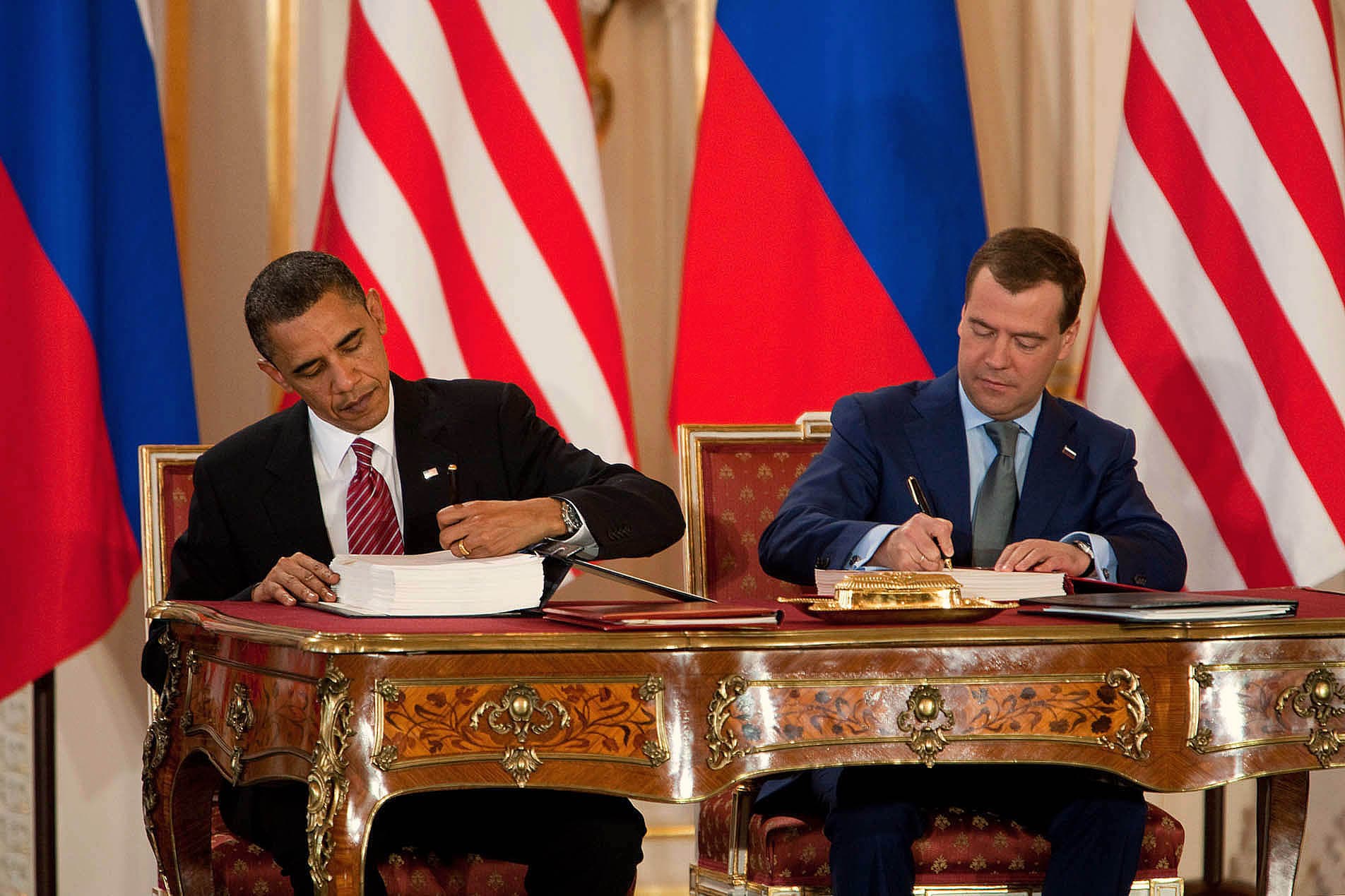
New START treaty expiration 2026 changed the strategic balance immediately, even before either side added a single new deployed warhead. The treaty had capped deployed strategic warheads and delivery systems while forcing regular data exchanges and inspections; without that shared rulebook, U.S. and Russian planners must make assumptions with less verified evidence. If you need baseline context first, start with Russia vs US Nuclear Forces: 2026 Strategic Comparison, then return to this page for the post-treaty picture.
What changed when New START expired?
At a legal level, New START treaty expiration 2026 removed the final bilateral ceiling that both Washington and Moscow were required to follow under a binding treaty framework. Under New START, each side accepted measurable limits and an accountability system that made force posture legible to the other side. Once expiration arrived, those legal obligations ended.
At an operational level, three things matter most.
1. Caps became policy choices, not treaty obligations
When a cap is treaty-bound, crossing it is a compliance issue with diplomatic and reputational costs. When the cap is no longer binding, staying near the same number becomes a discretionary policy choice. Governments can still self-restrain, but the enforcement mechanism changes from treaty compliance to political signaling.
2. Verification certainty dropped
Inspections and standardized data exchange procedures are not diplomatic theater; they are technical confidence tools. Verification does not eliminate mistrust, but it narrows uncertainty windows. Without routine verification, military planners lean more on national technical means and inference, which often increases ambiguity during crises.
3. Strategic messaging became louder
With fewer hard verification anchors, public statements, military exercises, and procurement announcements become disproportionately important. That can create feedback loops: one side signals resolve, the other reads preparation for expansion, and both increase readiness in response.
Why this matters for nuclear risk now
A treaty ending does not automatically mean immediate arsenal expansion, but it does reduce the number of brakes available when geopolitical tensions spike. In risk terms, transparency loss can be as dangerous as hardware growth because misread intentions can drive preemptive planning.
What exactly did New START limit?
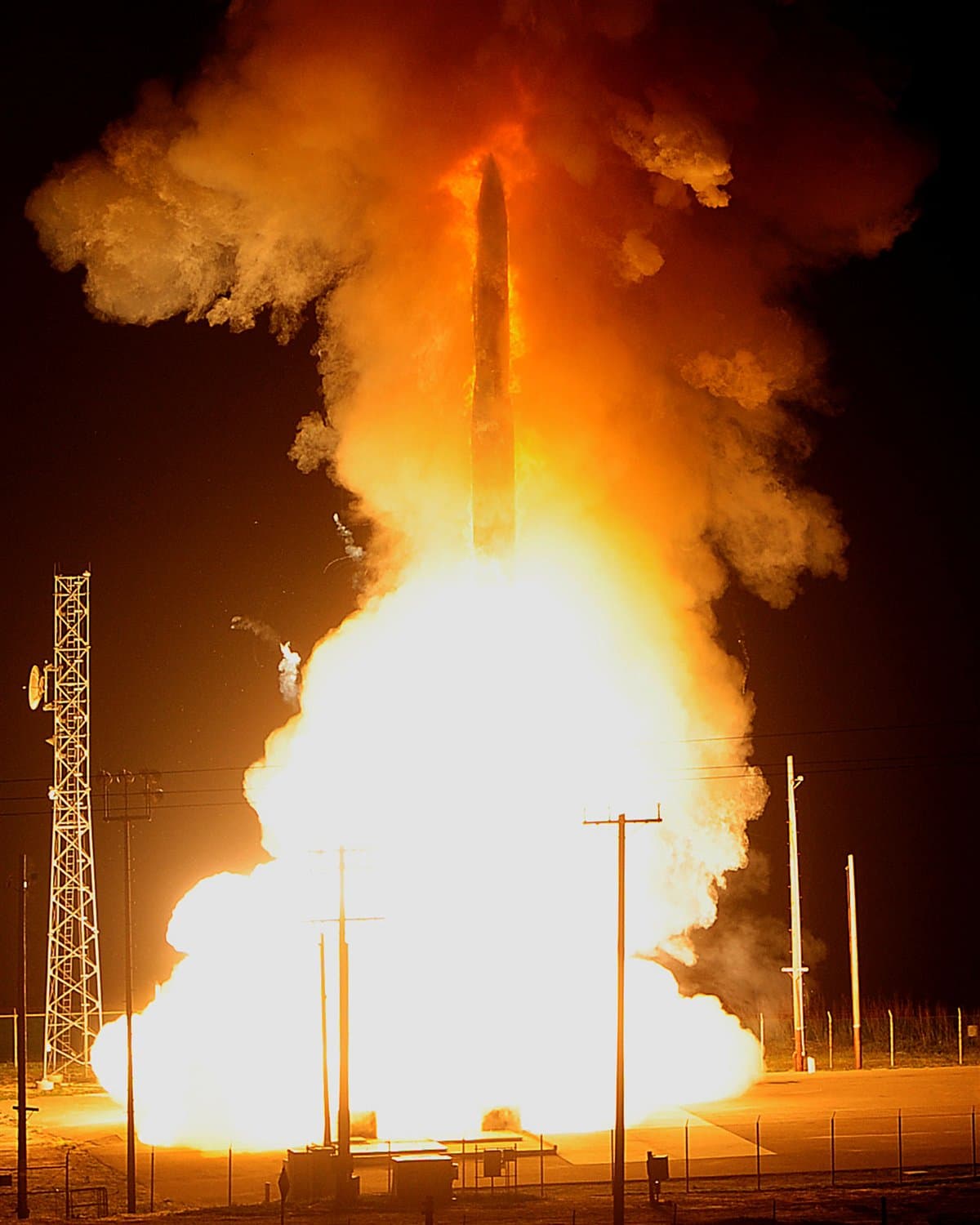
The treaty architecture was technical by design. Public summaries commonly highlighted three central numbers:
| Category | Treaty reference point | Why it mattered |
|---|---|---|
| Deployed strategic warheads | 1,550 | Created a clear upper bound for accountable deployed warheads |
| Deployed strategic launchers | 700 | Limited ready launch capacity across ICBMs, SLBMs, and heavy bombers |
| Deployed + non-deployed launchers | 800 | Constrained rapid breakout potential from reserve launcher inventories |
These limits worked because they sat inside a broader compliance system: declared data, regular updates, notifications, and on-site procedures. A cap without counting rules can be gamed; counting rules without verification can be doubted. New START combined both.
For readers comparing treaty caps to live escalation indicators, this is where What Is Launch-on-Warning? and How Nuclear Deterrence Works become essential follow-ons. Numbers on paper affect alert postures, decision windows, and command behavior.
Can the U.S. and Russia "upload" warheads quickly now?
This is the most common post-expiration question, and it usually gets oversimplified.
The short answer: both states have upload capacity, but "quickly" has practical limits.
Upload capacity is real
If delivery systems were configured below their technical maximum under treaty logic, a state can potentially increase deployed warheads by changing loading plans. Analysts have discussed this risk for years because it is one of the classic post-treaty breakout concerns.
But rapid expansion is not frictionless
A larger deployed force requires more than warheads in storage:
- Certified components and maintenance cycles
- Security and transport operations
- Trained personnel and handling infrastructure
- Updated force-generation schedules
- Political willingness to absorb strategic signaling costs
In other words, upload potential is a capability, not an automatic event. The immediate strategic effect after expiration is often psychological and planning-based: each side must now model the other's potential expansion path with less verified data.
Why verification loss can be more dangerous than raw numbers
Most public debates focus on warhead totals because totals are simple. Decision-makers, however, care about confidence intervals. If your estimate of an opponent's deployable force becomes less certain, your contingency planning tends to move toward conservative assumptions.
That shift has consequences:
- More pressure for higher readiness to avoid being caught behind.
- Greater value placed on early warning and launch options.
- Lower political tolerance for ambiguity during a crisis.
- Narrower diplomatic space when incidents occur.
This is why post-New START analysis should be read alongside broader risk indicators such as the Doomsday Clock history timeline: the danger signal is not just force size, but weaker guardrails around decision quality.
The intelligence paradox
Both governments retain substantial surveillance capabilities. But high capability does not fully replace cooperative transparency. Independent collection can show activity; it cannot always answer intent. Treaties help convert observed behavior into agreed interpretation. Without that function, the same evidence can support opposite policy conclusions.
What does this mean for crisis stability in 2026?
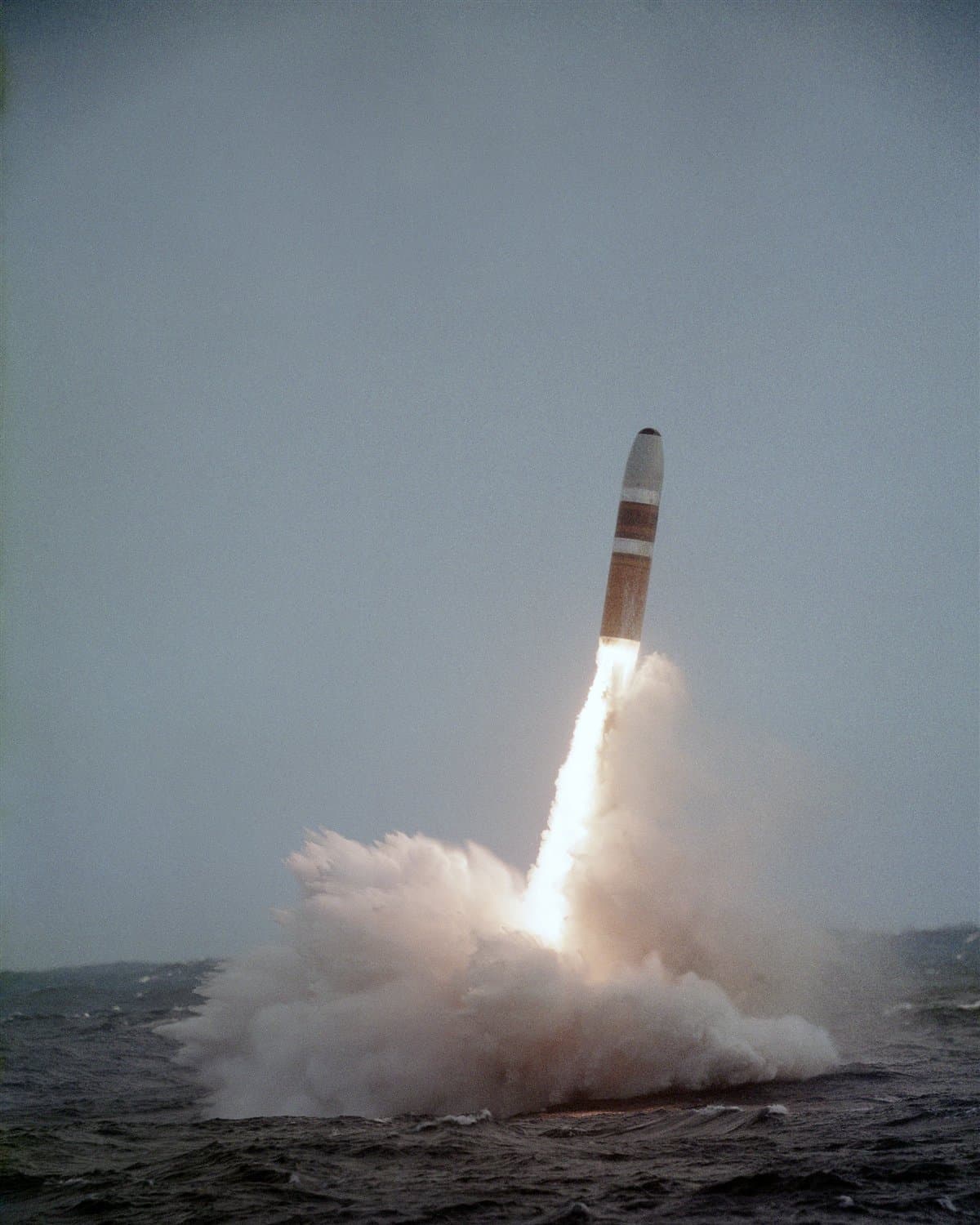
Crisis stability asks a blunt question: in a tense moment, do both sides believe they can wait, communicate, and avoid catastrophic miscalculation? Treaty erosion usually harms crisis stability in three ways.
Decision windows feel shorter
If leaders trust the data less, they may assume they have less time. Even when objective warning timelines have not changed, perceived timelines can contract under uncertainty.
Signaling is harder to calibrate
In a treaty-backed environment, certain notifications and procedures reduce misinterpretation. Post-expiration, routine military moves can appear more escalatory than intended.
Domestic politics can harden negotiating space
Arms control proposals can be framed as unilateral concession under pressure, especially after a visible treaty lapse. That makes even modest confidence-building measures harder to sell.
For policy readers, this interacts directly with current force-posture debates already covered in US Military vs Iran Military: A Complete 2026 Comparison and Nuclear Threat Assessment: Where the Iran Crisis Goes From Here: multiple theaters can compound strategic uncertainty.
Which replacement paths are realistic now?
A common policy mistake is treating replacement as binary: either a full treaty appears quickly, or nothing is possible. In practice, arms-control rebuilding can be phased.
Phase 1: Restore basic predictability
- Reestablish recurring strategic data exchanges.
- Reinstate launch and exercise notifications.
- Define emergency communication protocols for incidents.
Phase 2: Rebuild verification confidence
- Negotiate limited reciprocal inspection mechanisms.
- Agree on standardized accounting language.
- Pilot technical verification procedures before broader caps.
Phase 3: Expand to a modernized framework
- Address new delivery technologies and dual-capable systems.
- Integrate cyber resilience expectations for nuclear command systems.
- Build a path for multilateral follow-on discussions without blocking bilateral risk reduction.
This phased path is less dramatic than a headline treaty signing, but historically it is how durable control architectures are rebuilt after political breakdown.
How to read claims about a "new arms race"
After a treaty ends, media narratives tend to swing between alarmism and complacency. A better analytical framework uses five checkpoints:
| Checkpoint | Low-risk signal | High-risk signal |
|---|---|---|
| Deployed warhead trend | Flat or gradual changes | Rapid multi-category increases |
| Notification behavior | Continuing pre-notification practice | Frequent surprise activity |
| Exercises | Bounded, well-signaled drills | Unusually large no-notice events |
| Official doctrine language | Emphasis on stability and restraint | Expanded first-use or threshold ambiguity |
| Diplomatic channel status | Recurring technical talks | Prolonged channel freeze |
A race is not defined by rhetoric alone. It is defined by sustained force behavior, readiness changes, and shrinking communication discipline.
External institutions still provide guardrails
Even without a bilateral cap treaty in force, outside institutions help preserve data and pressure:
- The U.S. Department of State treaty resources preserve core legal reference points.
- The UN Office for Disarmament Affairs maintains multilateral disarmament framing and process continuity.
- Independent monitoring groups such as SIPRI provide longitudinal force estimates used by policymakers and researchers.
Those sources do not replace treaty verification, but they reduce information collapse.
What should policymakers prioritize in the next 12 months?
If the objective is lower escalation risk rather than symbolic positioning, priorities should be sequenced by immediate impact.
Priority 1: Prevent transparency freefall
The most urgent step is to preserve as much reciprocal data confidence as politically possible. Even limited technical exchanges can materially reduce planning worst-cases.
Priority 2: Protect communication channels during crises
Dedicated deconfliction lines and clear incident protocols are often undervalued until the day they are needed. They are the cheapest high-impact risk control available.
Priority 3: Avoid irreversible force-structure moves
Once large-scale force posture shifts begin, bargaining space shrinks. Maintaining reversibility buys diplomatic time and keeps agreement pathways open.
Priority 4: Separate strategic stability from broader disputes when possible
History shows arms-control progress can coexist with severe geopolitical rivalry. Waiting for full political normalization usually means waiting too long.
In post-treaty periods, the first objective is not perfect trust. It is enough verified predictability to keep crisis decisions from running ahead of facts.
— NukeClock analysis framework