India Nuclear Forces and Military Power Profile
India's nuclear posture, delivery systems, and military balance with Pakistan, including deterrence doctrine and South Asia escalation risk.
Staff Reporting and Analysis. Produces source-backed reporting, explainers, and reference pages on nuclear risk, proliferation, and escalation dynamics.
Country Snapshot
Total warheads
172
Estimated stockpile size
Deployed warheads
0
First test
1974
Year of first nuclear test
NPT status
Non-signatory
Active military
1,455,000
GFP rank #4
Defense budget
$84B
Approximate annual military spending
Key Sources
Start with the strongest supporting documents and reporting behind this page.
Compare Key Metrics
Quick side-by-side comparison against other major nuclear profiles.
| Metric | 🇮🇳India Current Page | 🇷🇺Russia | 🇺🇸United States | 🇨🇳China |
|---|---|---|---|---|
| Total warheads | 172 | 5,580 | 5,044 | 600 |
| Deployed warheads | 0 | 1,710 | 1,770 | 24 |
| Active military | 1,455,000 | 1,320,000 | 1,328,000 | 2,035,000 |
| Defense budget | $84B | $109B | $916B | $292B |
| GFP rank | #4 | #2 | #1 | #3 |
| NPT status | Non-signatory | Member (Depository State) | Member (Depository State) | Member (Depository State) |
| First nuclear test | 1974 | 1949 | 1945 | 1964 |
Related Rivalries
These comparisons show how this state's force posture and doctrine stack up against key rivals.
Rivalry
India vs Pakistan Nuclear Weapons: A Complete 2026 Comparison
India vs Pakistan nuclear comparison: warheads, delivery systems, doctrines, defense spending, and how Kashmir escalation could strain deterrence.
Rivalry
Iran vs Israel Military Power: A Complete 2026 Comparison
Iran vs Israel military comparison across manpower, airpower, missile inventories, defense spending, and the nuclear deterrence balance in 2026.
Rivalry
Is This Like the Cuban Missile Crisis? Comparing 1962 and 2026
A 1962 vs 2026 comparison of decision windows, nuclear proximity, escalation control, and why the Iran crisis is framed as a modern Cuban Missile moment.
Related Doctrines
These explainers provide the strategic concepts that matter most for interpreting this country's nuclear profile.
Doctrine
What Are Proxy Wars?
What is a proxy war? Learn how major powers fight through partners, why this model persists, and how Iran's network affects today's Middle East escalation.
Doctrine
What Is the Strait of Hormuz?
What is the Strait of Hormuz? A practical explainer on its geography, oil-flow importance, military vulnerability, and global economic consequences of closure.
Doctrine
What Happens If Iran Gets Nuclear Weapons?
If Iran obtained nuclear weapons, effects could include regional arms races, Israeli strike pressure, oil-market shocks, and broader nonproliferation fallout.
India is a nuclear-armed state outside the Non-Proliferation Treaty (NPT) framework. With approximately 172 nuclear warheads, India maintains a credible minimum deterrent with a declared no-first-use policy. As the world's fourth-ranked military power with the second-largest active military, India's nuclear program is shaped by its security relationships with both Pakistan and China.
What Makes India's Nuclear Profile Distinct
India's deterrent posture is defined less by arsenal size than by political doctrine and regional geography.
- Dual-rival deterrence: India must think about both Pakistan and China, which creates a different strategic problem from states focused on a single peer adversary.
- De-mated posture: Warheads are generally kept separate from delivery systems in peacetime, which supports India's declared doctrine but also affects readiness assumptions.
- Minimum deterrence under pressure: India still describes its force as limited and retaliatory, yet the regional security environment keeps pushing toward more survivable and flexible capabilities.
Nuclear Arsenal
| Category | Count |
|---|---|
| Total warheads | ~172 |
| Deployed strategic | 0 (de-mated) |
| Stockpile | ~172 |
| Retired | 0 |
India keeps its nuclear warheads de-mated from delivery systems during peacetime — warheads are stored separately from missiles and would be assembled and mounted only in a crisis. This posture is consistent with India's no-first-use (NFU) doctrine and credible minimum deterrence strategy.
Delivery Systems
Land-based ballistic missiles: India operates a range of ballistic missiles under the Integrated Guided Missile Development Programme. The Agni series forms the backbone of India's nuclear delivery capability:
- Agni-V: Range ~5,500 km (ICBM-class), capable of reaching all of China
- Agni-P: New-generation medium-range missile with MIRV capability
- Agni-IV: Range ~4,000 km
- Prithvi series: Short-range tactical missiles
Submarine-launched ballistic missiles (SLBMs): India operates the INS Arihant (and INS Arighat) nuclear-powered ballistic missile submarines armed with K-15 Sagarika (700 km range) and K-4 (3,500 km range) SLBMs. India's SSBN program is completing its nuclear triad.
Air-delivered: Indian Air Force Mirage 2000H and Rafale fighters are believed to be nuclear-capable, carrying gravity bombs.
Why India Matters Beyond South Asia
India is often discussed only through the Pakistan lens, but that is too narrow for current risk analysis.
- China's expansion affects India's force planning and long-range missile requirements.
- Gulf energy disruption matters more to India than to many nuclear powers because of import dependence and diaspora exposure.
- India's choices shape how other non-NPT nuclear states are discussed in global nonproliferation debates.
Military Overview
| Metric | Value |
|---|---|
| GFP Rank | #4 of 145 |
| GFP Score | 0.1023 |
| Active military | 1,455,000 |
| Reserve forces | 1,155,000 |
| Military budget | $84 billion |
India has the world's second-largest active military and fourth-largest defense budget. The Indian military is modernizing rapidly, with major acquisitions including Rafale fighters, S-400 air defense systems, and indigenous aircraft carriers.
Role in Current Nuclear Risk
India's nuclear posture contributes to regional and global risk:
- Pakistan rivalry: The India-Pakistan nuclear rivalry remains one of the most dangerous nuclear flashpoints. Both nations have growing arsenals and share a disputed border in Kashmir.
- China competition: India's Agni-V ICBM and SSBN program are primarily aimed at deterring China. The 2020 Galwan Valley border clash highlighted the potential for India-China military confrontation.
- No-first-use policy: India's NFU doctrine provides stability but faces periodic domestic debates about whether to revise it.
- Middle East connections: India has significant energy and diaspora interests in the Persian Gulf region, making the Iran crisis relevant to its security calculations.
Position on the Iran Crisis
India is one of the countries most economically affected by the 2026 US-Iran conflict, despite having no direct military involvement. The crisis strikes at the intersection of India's energy dependency, diaspora exposure, and delicate diplomatic balancing act.
Energy vulnerability: India imports approximately 80% of its crude oil, with a significant portion sourced from Gulf states via the Strait of Hormuz. The blockade has driven Indian crude import costs sharply higher, weakening the rupee and threatening India's current account deficit. India has also been a significant buyer of discounted Iranian oil through sanctions-workaround mechanisms — a supply channel now completely disrupted.
Diaspora exposure: Over 8 million Indian nationals live and work in Persian Gulf states, with large communities in the UAE, Saudi Arabia, Kuwait, Qatar, Bahrain, and Oman. India's Ministry of External Affairs activated evacuation contingency plans within hours of the Iranian retaliatory strikes, though no formal evacuation order has been issued. The safety of this diaspora is a domestic political priority that constrains India's ability to take sides.
Diplomatic balancing: India maintains strategic relationships with both the United States (defense partnerships, Quad membership) and Iran (Chabahar port development, energy imports, cultural ties). New Delhi issued a carefully worded statement calling for "de-escalation and dialogue" without condemning either side — a position consistent with India's traditional non-alignment but increasingly difficult to sustain as the conflict deepens and pressure from Washington for allied solidarity increases.
Nuclear precedent: As a nuclear-armed state outside the NPT, India monitors the Iran precedent closely. The principle that military force can be used against another state's nuclear infrastructure — without UN authorization — has implications for India's own nuclear security calculations, particularly regarding Pakistan's program and China's expanding arsenal.
What To Watch Next
The highest-signal questions for this profile are:
- whether India preserves strict no-first-use language or continues edging toward ambiguity in political debate,
- whether the sea-based leg becomes more central to Indian deterrence,
- whether China-driven modernization pressures begin to outweigh Pakistan-driven posture assumptions,
- and whether Gulf instability forces India to treat energy security as part of nuclear-era strategic planning rather than as a separate issue.
Related Articles
Iran Closes Strait of Hormuz: 20% of Global Oil Supply Disrupted
Iran's closure of the Strait of Hormuz disrupted roughly 20% of global oil flows after retaliatory strikes, triggering a fast-moving energy and shipping shock.
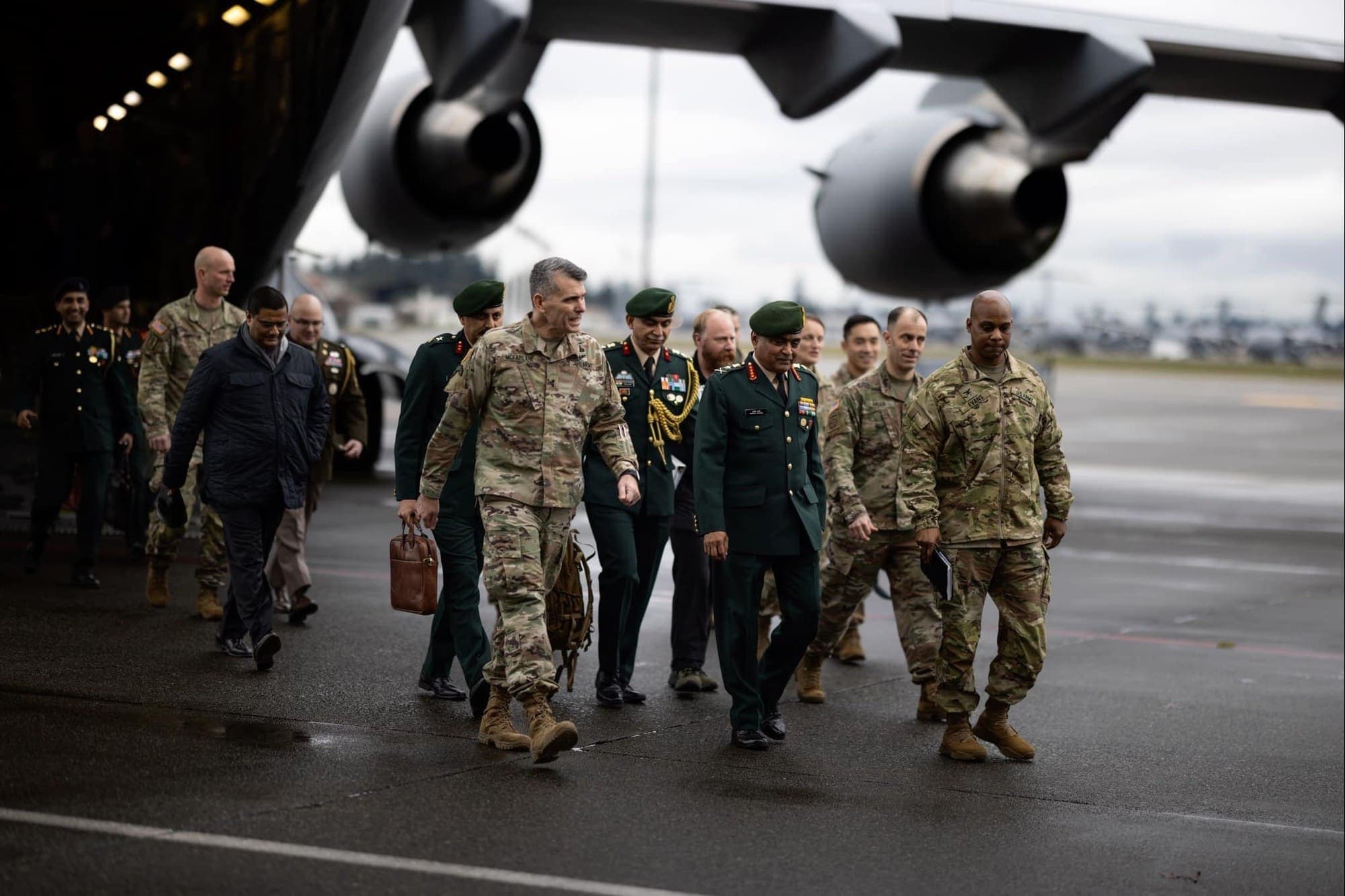
India vs Pakistan Nuclear Weapons: A Complete 2026 Comparison
India vs Pakistan nuclear comparison: warheads, delivery systems, doctrines, defense spending, and how Kashmir escalation could strain deterrence.
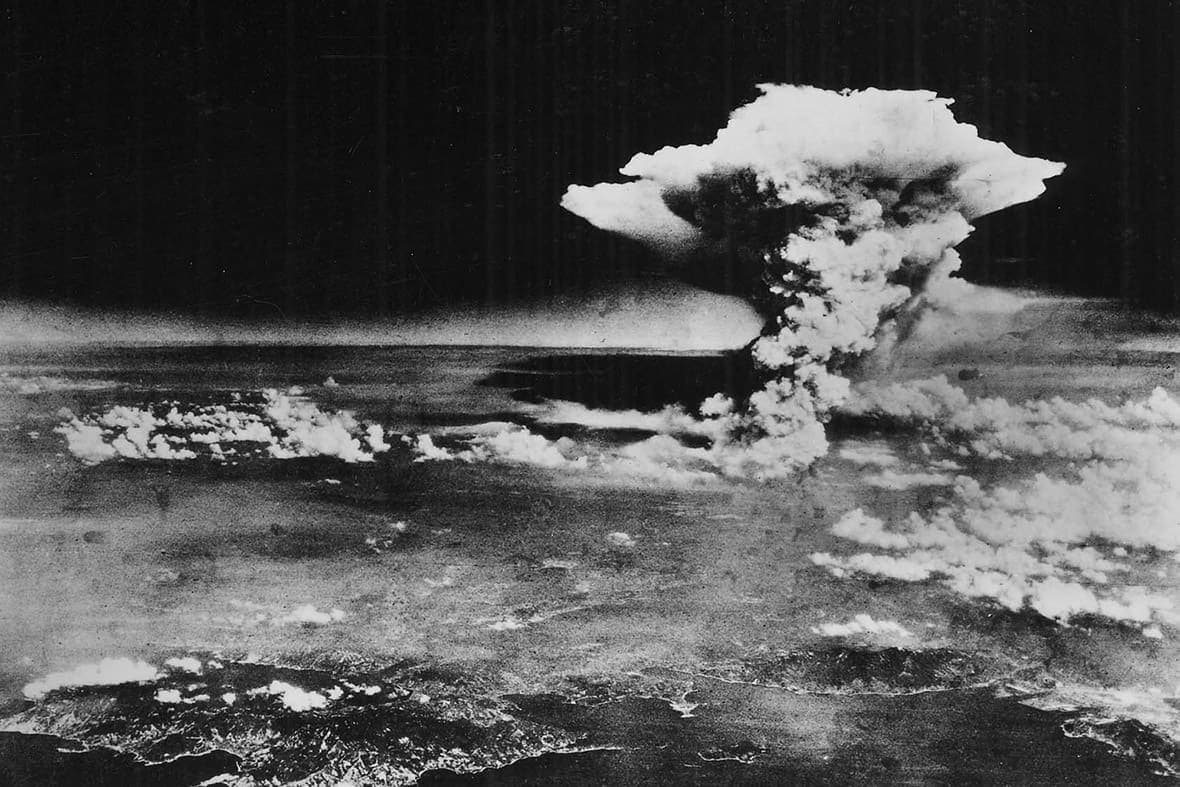
What Would Happen If Nuclear War Started? A Step-by-Step Guide
What happens if nuclear war starts? From first launch to nuclear winter: blast zones, fallout, infrastructure collapse, and long-term survival risks.
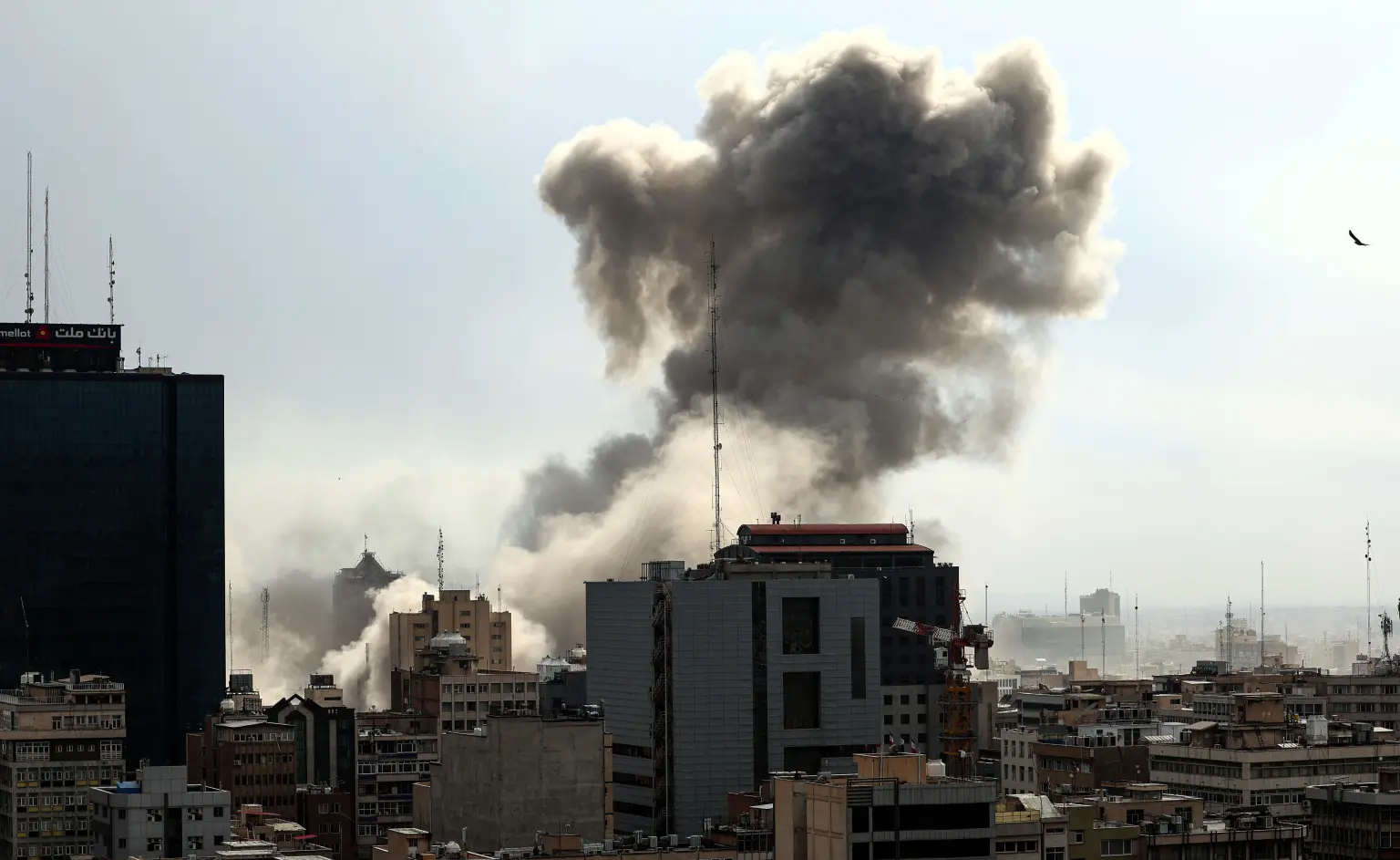
Iran War Timeline 2026: Escalation From Talks to Open Conflict
A step-by-step Iran war timeline from late-2025 diplomatic breakdown to Operation Epic Fury, retaliatory strikes, Hormuz disruption, and ongoing escalation.
Nuclear Threat Assessment: Where the Iran Crisis Goes From Here
A scenario-based nuclear threat assessment of the Iran crisis, including leadership instability, damaged facilities, and pathways to escalation or containment.
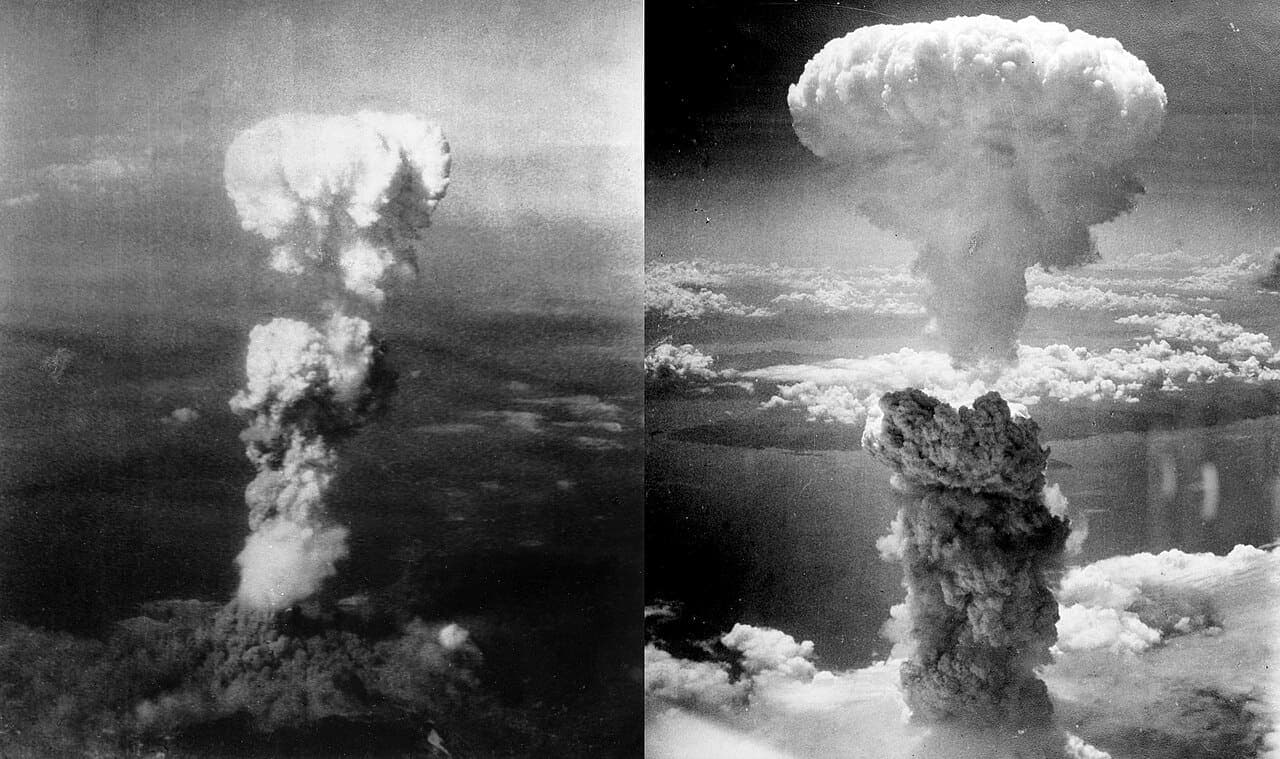
Hiroshima and Nagasaki: What Happened When the Bombs Fell
On August 6 and 9, 1945, U.S. atomic bombs devastated Hiroshima and Nagasaki. Here is what happened, who died, and what radiation did after.