Pakistan Nuclear Forces and Military Power Profile
Pakistan's expanding nuclear arsenal, delivery systems, and force structure, with focus on deterrence stability in South Asia.
Staff Reporting and Analysis. Produces source-backed reporting, explainers, and reference pages on nuclear risk, proliferation, and escalation dynamics.
Country Snapshot
Total warheads
170
Estimated stockpile size
Deployed warheads
0
First test
1998
Year of first nuclear test
NPT status
Non-signatory
Active military
654,000
GFP rank #14
Defense budget
$10B
Approximate annual military spending
Key Sources
Start with the strongest supporting documents and reporting behind this page.
Compare Key Metrics
Quick side-by-side comparison against other major nuclear profiles.
| Metric | 🇵🇰Pakistan Current Page | 🇷🇺Russia | 🇺🇸United States | 🇨🇳China |
|---|---|---|---|---|
| Total warheads | 170 | 5,580 | 5,044 | 600 |
| Deployed warheads | 0 | 1,710 | 1,770 | 24 |
| Active military | 654,000 | 1,320,000 | 1,328,000 | 2,035,000 |
| Defense budget | $10B | $109B | $916B | $292B |
| GFP rank | #14 | #2 | #1 | #3 |
| NPT status | Non-signatory | Member (Depository State) | Member (Depository State) | Member (Depository State) |
| First nuclear test | 1998 | 1949 | 1945 | 1964 |
Related Rivalries
These comparisons show how this state's force posture and doctrine stack up against key rivals.
Rivalry
Iran War vs Iraq War: How the 2026 and 2003 Conflicts Compare
Iran 2026 vs Iraq 2003 compared across legal authority, coalition structure, force design, economic shock, and the central role of nuclear risk.
Rivalry
India vs Pakistan Nuclear Weapons: A Complete 2026 Comparison
India vs Pakistan nuclear comparison: warheads, delivery systems, doctrines, defense spending, and how Kashmir escalation could strain deterrence.
Rivalry
Iran Crisis 2026 vs 2019 Tensions: What's Different This Time
How the 2026 Iran crisis differs from 2019: leadership decapitation, larger retaliation, Hormuz closure risk, and a sharper nuclear escalation path.
Related Doctrines
These explainers provide the strategic concepts that matter most for interpreting this country's nuclear profile.
Doctrine
What Are Proxy Wars?
What is a proxy war? Learn how major powers fight through partners, why this model persists, and how Iran's network affects today's Middle East escalation.
Doctrine
What Is the Strait of Hormuz?
What is the Strait of Hormuz? A practical explainer on its geography, oil-flow importance, military vulnerability, and global economic consequences of closure.
Doctrine
What Happens If Iran Gets Nuclear Weapons?
If Iran obtained nuclear weapons, effects could include regional arms races, Israeli strike pressure, oil-market shocks, and broader nonproliferation fallout.
Pakistan is a nuclear-armed state outside the NPT with approximately 170 warheads, making it one of the fastest-growing nuclear arsenals in the world. Pakistan's nuclear weapons program is primarily oriented toward deterring India and compensating for India's conventional military superiority. Pakistan has not adopted a no-first-use policy and reserves the right to use nuclear weapons first in a conflict.
Nuclear Arsenal
| Category | Count |
|---|---|
| Total warheads | ~170 |
| Deployed strategic | 0 (de-mated) |
| Stockpile | ~170 |
| Retired | 0 |
Pakistan's arsenal has grown steadily and is projected to continue expanding. Like India, Pakistan keeps its warheads de-mated from delivery vehicles during peacetime.
Delivery Systems
Land-based ballistic missiles: Pakistan operates several missile families:
- Shaheen-III: Range ~2,750 km, solid-fueled, capable of reaching all of India
- Shaheen-II: Range ~1,500 km, solid-fueled MRBM
- Ghauri: Range ~1,300 km, liquid-fueled (based on North Korean Nodong design)
- Nasr (Hatf-IX): Short-range (60 km) tactical nuclear missile designed for battlefield use
Cruise missiles: Pakistan has developed the Babur ground-launched cruise missile (700 km range) and Ra'ad air-launched cruise missile (350 km range), both nuclear-capable.
Air-delivered: Pakistan Air Force F-16s and Mirage III/V fighters are believed to be nuclear-capable.
Pakistan does not have submarine-launched ballistic missiles or a sea-based nuclear deterrent, though the Babur-3 submarine-launched cruise missile is under development.
Military Overview
| Metric | Value |
|---|---|
| GFP Rank | #14 of 145 |
| GFP Score | 0.3637 |
| Active military | 654,000 |
| Reserve forces | 550,000 |
| Military budget | $10 billion |
Pakistan's military is the sixth-largest in the world by active personnel. Despite a relatively small defense budget, Pakistan maintains a large ground force and has extensive combat experience from counterinsurgency operations.
Role in Current Nuclear Risk
Pakistan's nuclear posture is a critical factor in global nuclear risk:
- No-first-use rejection: Pakistan explicitly rejects a no-first-use policy, stating it reserves the right to use nuclear weapons first if its territorial integrity is threatened — including in response to a conventional Indian attack.
- Tactical nuclear weapons: The Nasr short-range missile was developed specifically for battlefield nuclear use, lowering the threshold for nuclear employment in a South Asian conflict.
- India rivalry: The India-Pakistan nuclear competition is one of the most dangerous dyads in the world. Both nations conducted tit-for-tat nuclear tests in 1998 and have come close to conflict multiple times since.
- A.Q. Khan network: Pakistan's historical proliferation through the A.Q. Khan network (which supplied nuclear technology to North Korea, Iran, and Libya) remains a concern for global nonproliferation.
- Iran connections: Pakistan's proximity to Iran and historical nuclear technology transfers make it relevant to the current Iran nuclear crisis.
Position on the Iran Crisis
Pakistan occupies a uniquely sensitive position in the 2026 crisis — sharing a 959 km border with Iran, maintaining close ties with both Washington and Beijing, and bearing the historical burden of the A.Q. Khan proliferation network that helped Iran develop centrifuge technology.
Border security: The Pakistan-Iran border runs through Balochistan, a restive region with cross-border militant activity that both countries have historically managed through security cooperation. The crisis has raised concerns about refugee flows if Iran's internal situation deteriorates, and about the potential for cross-border spillover from Iranian military operations or IRGC militia activity.
Sectarian dimension: Pakistan is a Sunni-majority country with approximately 20% Shia population. The Iran crisis risks inflaming domestic sectarian tensions, particularly in areas with large Shia communities such as Gilgit-Baltistan and parts of Punjab. Pakistani leaders are acutely aware that taking sides in a conflict framed as Sunni Gulf states versus Shia Iran could destabilize domestic politics.
Nuclear precedent validation: The destruction of Iran's nuclear facilities provides an uncomfortable lesson that Pakistan's own 1998 decision to test nuclear weapons — despite intense international pressure — was strategically correct. Iran, which pursued enrichment capability without weaponization, has had its facilities destroyed. Pakistan, which built and tested actual weapons, has deterrent protection against such strikes. This "only completed weapons deter" lesson may embolden proliferators worldwide and is studied closely in Islamabad, where it reinforces the institutional consensus that Pakistan's nuclear capability is its ultimate security guarantee.
A.Q. Khan legacy: Pakistan's historical proliferation through the A.Q. Khan network — which supplied centrifuge technology to Iran, North Korea, and Libya — remains a sensitive diplomatic issue. The current crisis has renewed international attention to how Iran acquired enrichment capability in the first place, creating uncomfortable questions for Islamabad about accountability.
Economic impact: Pakistan imports approximately 85% of its oil, and the Hormuz blockade has driven fuel costs sharply higher in a country already facing severe fiscal pressure, a weakening rupee, and IMF bailout conditions. Pakistan called for an "immediate cessation of hostilities" through its foreign ministry but has avoided criticizing either the US or Iran directly.
Related Articles
What Would Happen If Nuclear War Started? A Step-by-Step Guide
What happens if nuclear war starts? From first launch to nuclear winter: blast zones, fallout, infrastructure collapse, and long-term survival risks.
Doomsday Clock History: Every Setting From 1947 to 2025
Doomsday Clock history year by year: from 7 minutes to midnight in 1947 to 89 seconds in 2025. Full timeline of every setting, what changed, and why it matters.
Did Iran Attack the U.S. Today?
Yes. Iran launched six waves of missiles and drones at U.S. bases in the Gulf after Operation Epic Fury on February 28, 2026.
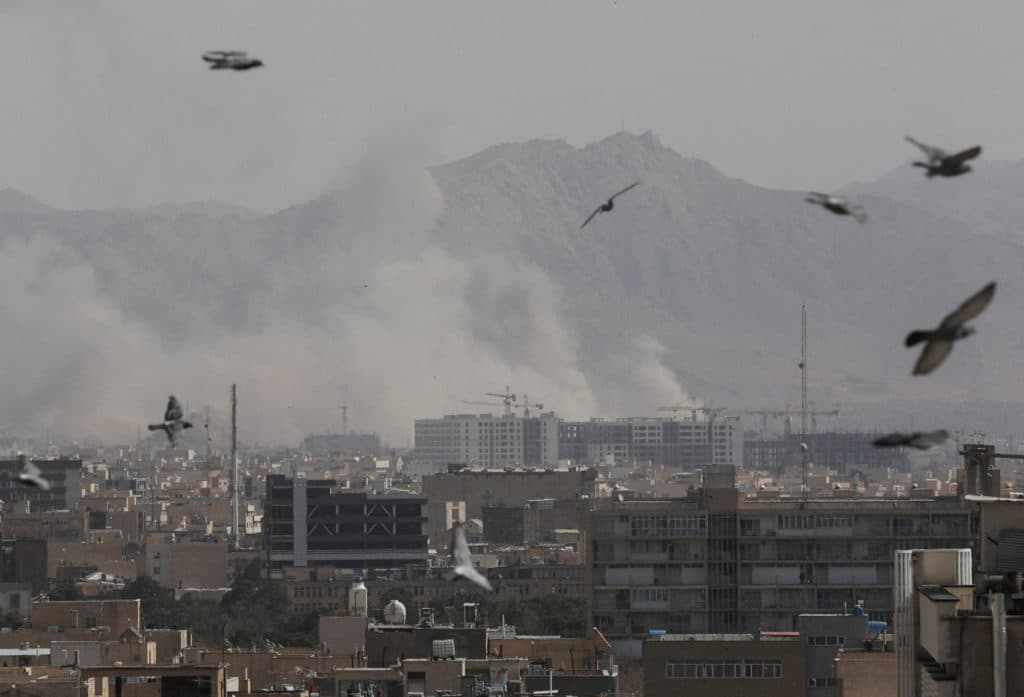
Iran War vs Iraq War: How the 2026 and 2003 Conflicts Compare
Iran 2026 vs Iraq 2003 compared across legal authority, coalition structure, force design, economic shock, and the central role of nuclear risk.
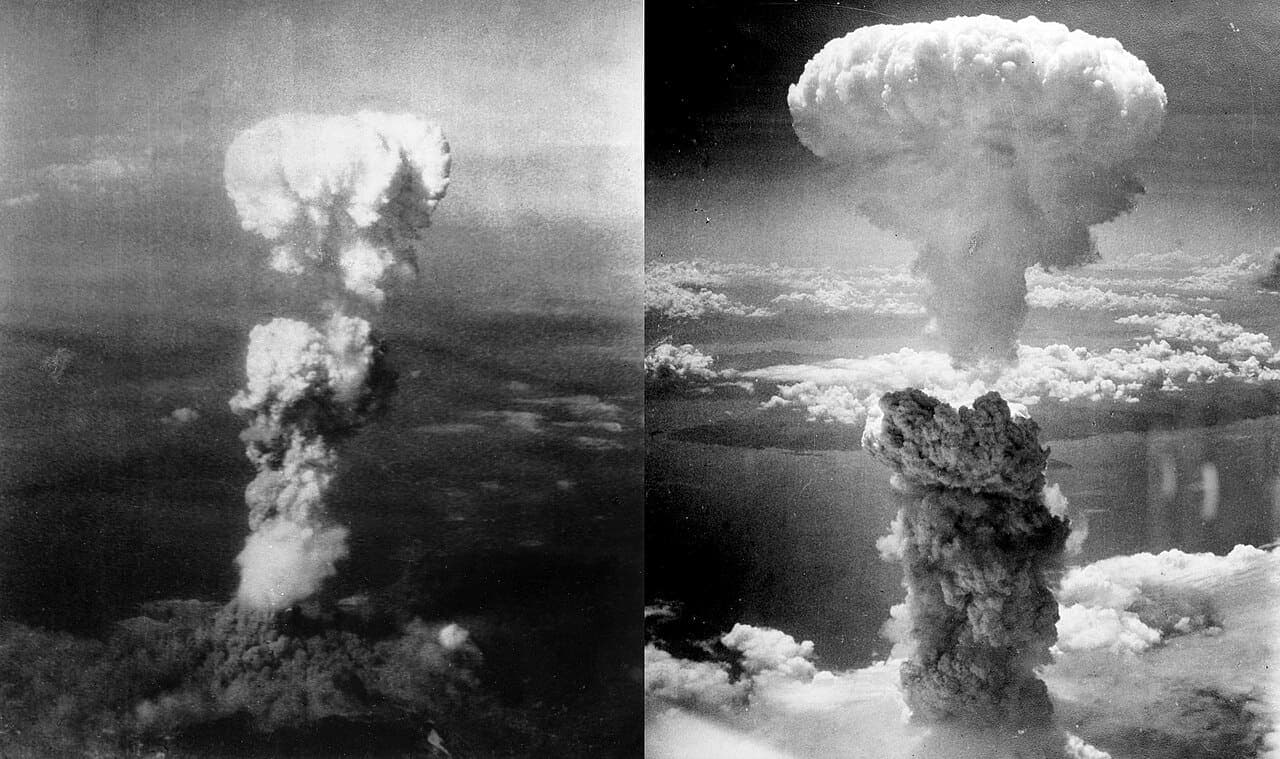
Hiroshima and Nagasaki: What Happened When the Bombs Fell
On August 6 and 9, 1945, U.S. atomic bombs devastated Hiroshima and Nagasaki. Here is what happened, who died, and what radiation did after.
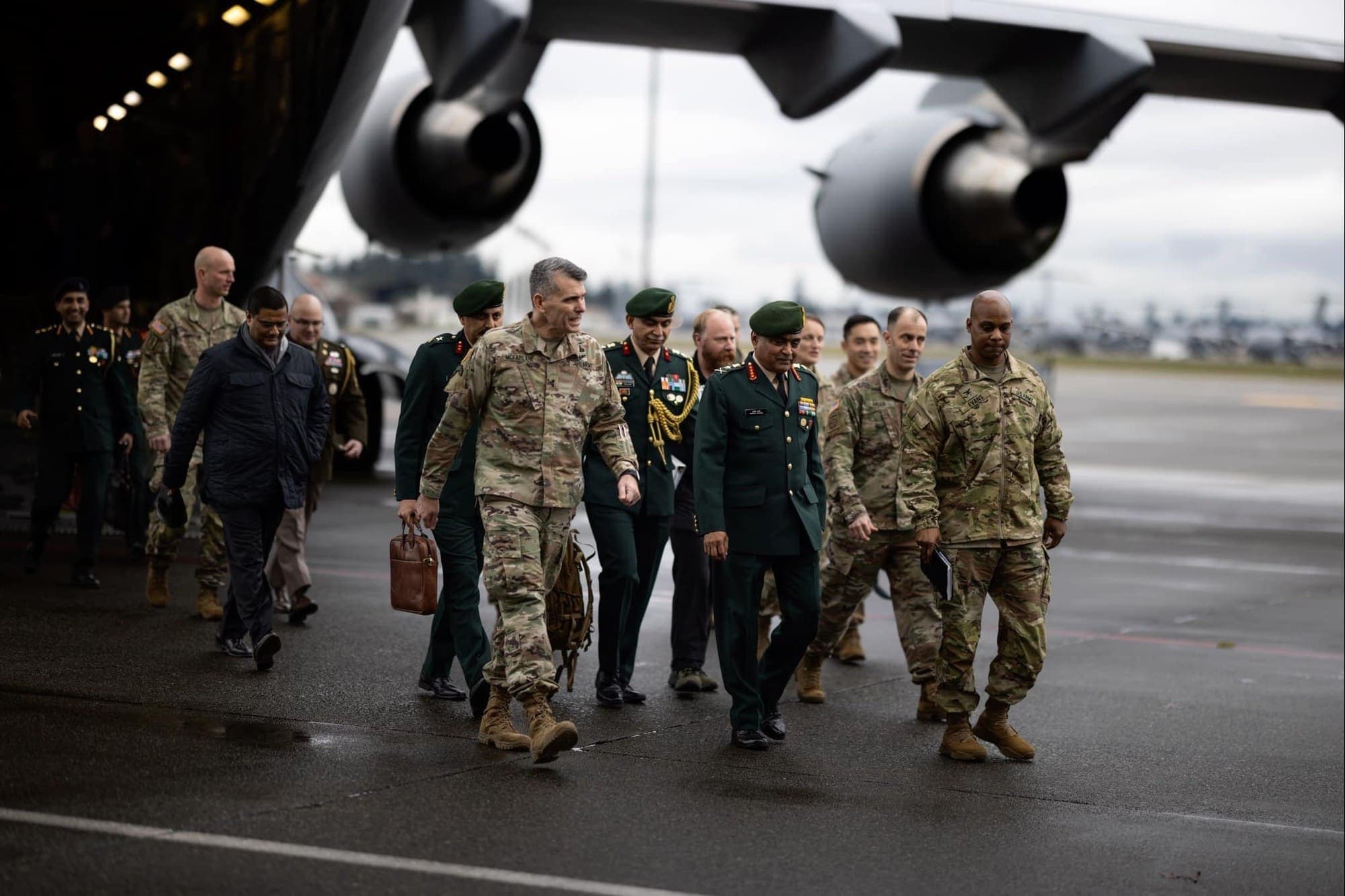
India vs Pakistan Nuclear Weapons: A Complete 2026 Comparison
India vs Pakistan nuclear comparison: warheads, delivery systems, doctrines, defense spending, and how Kashmir escalation could strain deterrence.