North Korea Nuclear Forces and Military Power Profile
North Korea's nuclear arsenal, missile reach, and coercive strategy, including ICBM progress and implications for US and allied deterrence.
Staff Reporting and Analysis. Produces source-backed reporting, explainers, and reference pages on nuclear risk, proliferation, and escalation dynamics.
Country Snapshot
Total warheads
50
Estimated stockpile size
Deployed warheads
0
First test
2006
Year of first nuclear test
NPT status
Withdrew 2003
Active military
1,320,000
GFP rank #31
Defense budget
$4B
Approximate annual military spending
Key Sources
Start with the strongest supporting documents and reporting behind this page.
Compare Key Metrics
Quick side-by-side comparison against other major nuclear profiles.
| Metric | 🇰🇵North Korea Current Page | 🇷🇺Russia | 🇺🇸United States | 🇨🇳China |
|---|---|---|---|---|
| Total warheads | 50 | 5,580 | 5,044 | 600 |
| Deployed warheads | 0 | 1,710 | 1,770 | 24 |
| Active military | 1,320,000 | 1,320,000 | 1,328,000 | 2,035,000 |
| Defense budget | $4B | $109B | $916B | $292B |
| GFP rank | #31 | #2 | #1 | #3 |
| NPT status | Withdrew 2003 | Member (Depository State) | Member (Depository State) | Member (Depository State) |
| First nuclear test | 2006 | 1949 | 1945 | 1964 |
Related Rivalries
These comparisons show how this state's force posture and doctrine stack up against key rivals.
Rivalry
Iran vs North Korea Nuclear Programs: A Complete 2026 Comparison
Iran and North Korea's nuclear trajectories compared: enrichment, warhead status, missile reach, sanctions resilience, and breakout implications.
Rivalry
India vs Pakistan Nuclear Weapons: A Complete 2026 Comparison
India vs Pakistan nuclear comparison: warheads, delivery systems, doctrines, defense spending, and how Kashmir escalation could strain deterrence.
Rivalry
Iran War vs Iraq War: How the 2026 and 2003 Conflicts Compare
Iran 2026 vs Iraq 2003 compared across legal authority, coalition structure, force design, economic shock, and the central role of nuclear risk.
Related Doctrines
These explainers provide the strategic concepts that matter most for interpreting this country's nuclear profile.
Doctrine
Can the US Shoot Down a Nuclear Missile?
Can the US intercept a nuclear missile? This guide explains GMD, Aegis, THAAD, and why layered defenses still face major limits against large barrages.
Doctrine
How Many Nukes Would It Take to Destroy the World?
How many weapons could trigger civilization-scale collapse? We break down nuclear-winter science, blast and fallout effects, and risk from limited exchanges.
Doctrine
What Happens If Iran Gets Nuclear Weapons?
If Iran obtained nuclear weapons, effects could include regional arms races, Israeli strike pressure, oil-market shocks, and broader nonproliferation fallout.
North Korea (DPRK) is the most recent state to develop nuclear weapons and one of the most opaque nuclear powers. With an estimated 50 warheads and enough fissile material for significantly more, North Korea has rapidly advanced its nuclear and missile programs despite comprehensive international sanctions. North Korea is the only country to have conducted nuclear tests in the 21st century (2006–2017) and the only state to have withdrawn from the NPT.
Nuclear Arsenal
| Category | Count |
|---|---|
| Total warheads (estimated) | ~50 |
| Deployed strategic | 0 |
| Fissile material for | ~90 warheads |
| Nuclear tests conducted | 6 (2006–2017) |
North Korea has conducted six nuclear tests, with the most recent in September 2017 yielding an estimated 100–370 kilotons — assessed to be a thermonuclear (hydrogen) weapon. North Korea is believed to be producing fissile material at Yongbyon and other facilities, potentially adding 6–18 warheads per year.
Delivery Systems
Intercontinental ballistic missiles (ICBMs):
- Hwasong-18: Solid-fueled ICBM tested in 2023, range estimated at 15,000+ km, capable of reaching the entire US mainland
- Hwasong-17: Liquid-fueled ICBM, range ~15,000 km, potentially capable of carrying multiple warheads
- Hwasong-15: Range ~13,000 km, demonstrated in 2017
Medium and intermediate-range missiles:
- Hwasong-12: IRBM with ~4,500 km range, capable of reaching Guam
- Pukguksong series: Solid-fueled medium-range missiles for land and submarine launch
Submarine-launched ballistic missiles (SLBMs): North Korea has tested SLBMs (Pukguksong-1 and successors) and is developing a ballistic missile submarine, though its sea-based capability remains limited.
Short-range missiles: North Korea has tested numerous short-range ballistic missiles capable of striking South Korea and Japan, including the KN-23 and KN-25.
Military Overview
| Metric | Value |
|---|---|
| GFP Rank | #31 of 145 |
| GFP Score | 0.5318 |
| Active military | 1,320,000 |
| Reserve forces | 600,000 |
| Military budget | ~$4 billion (estimated) |
North Korea has one of the largest militaries in the world by personnel, with compulsory military service of up to 10 years. However, its conventional forces rely heavily on aging Soviet-era equipment. The country compensates with asymmetric capabilities including nuclear weapons, ballistic missiles, cyber warfare, and the world's largest artillery concentration aimed at Seoul.
Role in Current Nuclear Risk
North Korea is a persistent factor in nuclear risk assessment:
- ICBM capability: North Korea's demonstrated ICBM range threatens the US homeland, fundamentally changing the deterrence calculus in East Asia.
- Nuclear doctrine: In 2022, North Korea codified a nuclear use law permitting preemptive nuclear strikes if an attack on leadership or nuclear forces is imminent.
- No diplomacy: Nuclear negotiations have been stalled since the collapse of the Hanoi Summit in 2019. North Korea has declared it will never give up its nuclear weapons.
- Proliferation risk: North Korea's historical sales of missile technology to Iran, Syria, and Pakistan, combined with its economic desperation, create ongoing proliferation concerns.
- Russia alignment: North Korea's supply of artillery and troops to Russia for the Ukraine conflict has strengthened Moscow-Pyongyang ties and may include technology transfers.
Lessons From the Iran Crisis
North Korea has been publicly silent on Operation Epic Fury — issuing no official statement through KCNA or its UN mission — but the destruction of Iran's nuclear infrastructure is arguably the single most consequential external validation of Pyongyang's nuclear strategy in a decade.
"Only completed weapons deter": The Iran crisis delivers a clear lesson that North Korea's leadership has long internalized: states that possess nuclear programs are vulnerable to preemptive strikes, while states that possess nuclear weapons are not. Iran pursued enrichment capability without completing a weapon and had its facilities destroyed by US GBU-57 bunker busters. North Korea built, tested, and deployed actual warheads — and no country has seriously contemplated a military strike against its nuclear infrastructure since. The distinction between a nuclear program and a nuclear arsenal has never been more starkly demonstrated.
Vindication of the Byungjin line: Kim Jong Un's byungjin policy — simultaneous development of nuclear weapons and the economy — rested on the premise that nuclear weapons are the ultimate regime survival guarantee. The Iran precedent validates this logic. Pyongyang's state media will almost certainly present the crisis as proof that the DPRK's "self-defense nuclear deterrent" was the correct path, and that international security assurances or partial agreements (like the JCPOA) offer no protection against American military power.
Accelerated production: Intelligence analysts assess that North Korea may use the Iran precedent to justify accelerating warhead and fissile material production at Yongbyon and its covert enrichment facilities. If the lesson of Iran is that programs are destroyed but arsenals are not, the rational response is to build a larger, more survivable arsenal faster. Estimates of 6–18 new warheads per year could move toward the higher end of that range.
Historical Iran-DPRK missile ties: North Korea and Iran have a decades-long history of missile technology cooperation. Iran's Shahab-3 ballistic missile is derived from the North Korean Nodong design, and the two countries have exchanged technical expertise on liquid-fueled rocket engines, reentry vehicles, and launch systems. The current crisis has severed Iran's ability to continue its ballistic missile program independently — whether Pyongyang sees an opportunity to resume technology sales to a rebuilding Iran, or to other states newly motivated to acquire deterrent capability, is a proliferation concern that Western intelligence agencies are monitoring.
Denuclearization dead letter: The Iran crisis effectively buries any remaining prospect of North Korean denuclearization negotiations. Pyongyang already declared in 2022 that it would never give up its nuclear weapons. The destruction of Iranian facilities demonstrates what happens to states that rely on diplomacy rather than deterrence — the same argument North Korea made when walking away from the Hanoi Summit in 2019. Any future US administration attempting to restart nuclear talks with Pyongyang will face an interlocutor that can simply point to Iran and say: "This is what compliance gets you."
Strategic silence: North Korea's decision not to comment publicly is itself strategic. A loud endorsement of the US right to strike nuclear facilities would contradict Pyongyang's sovereignty rhetoric. Criticism of the US would align North Korea with Iran — a former missile technology partner now associated with failure. Silence allows Kim Jong Un to absorb the lesson without diplomatic cost, while privately using the precedent to reinforce domestic messaging about the necessity of the nuclear program.
Related Articles
Doomsday Clock History: Every Setting From 1947 to 2025
Doomsday Clock history year by year: from 7 minutes to midnight in 1947 to 89 seconds in 2025. Full timeline of every setting, what changed, and why it matters.
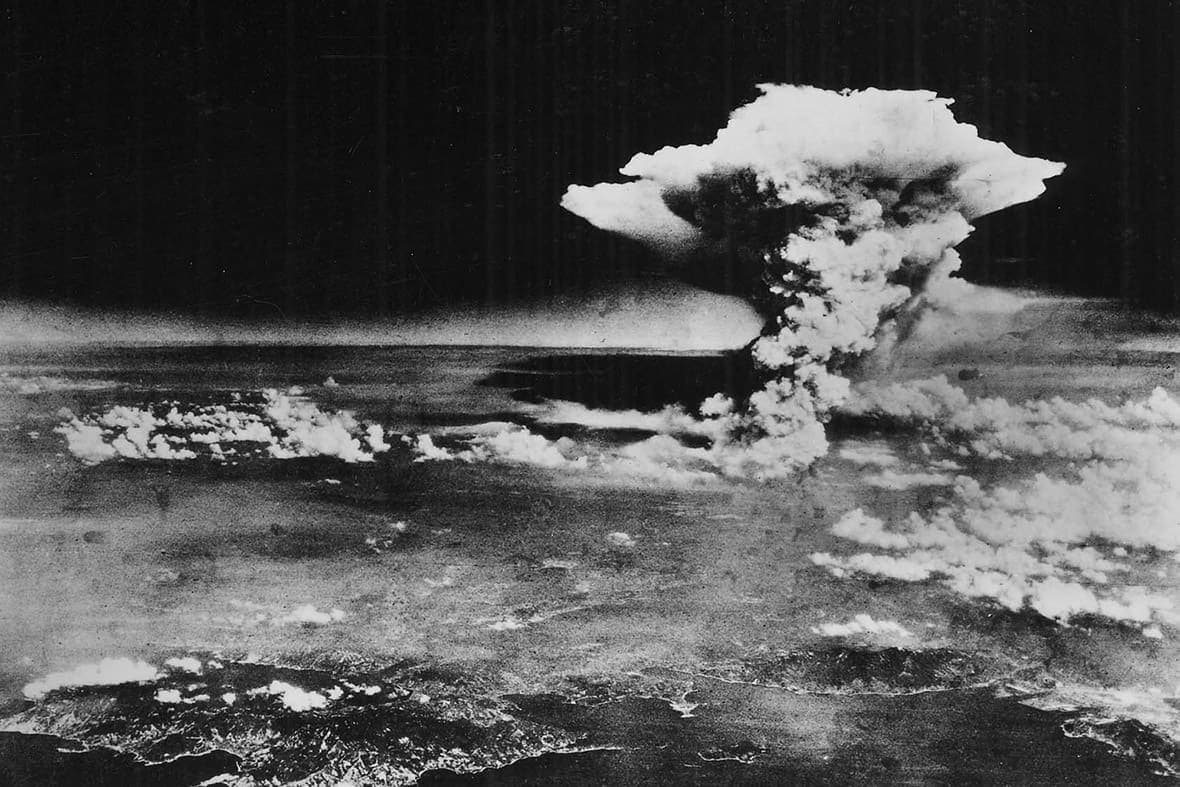
What Would Happen If Nuclear War Started? A Step-by-Step Guide
What happens if nuclear war starts? From first launch to nuclear winter: blast zones, fallout, infrastructure collapse, and long-term survival risks.
Iran vs North Korea Nuclear Programs: A Complete 2026 Comparison
Iran and North Korea's nuclear trajectories compared: enrichment, warhead status, missile reach, sanctions resilience, and breakout implications.
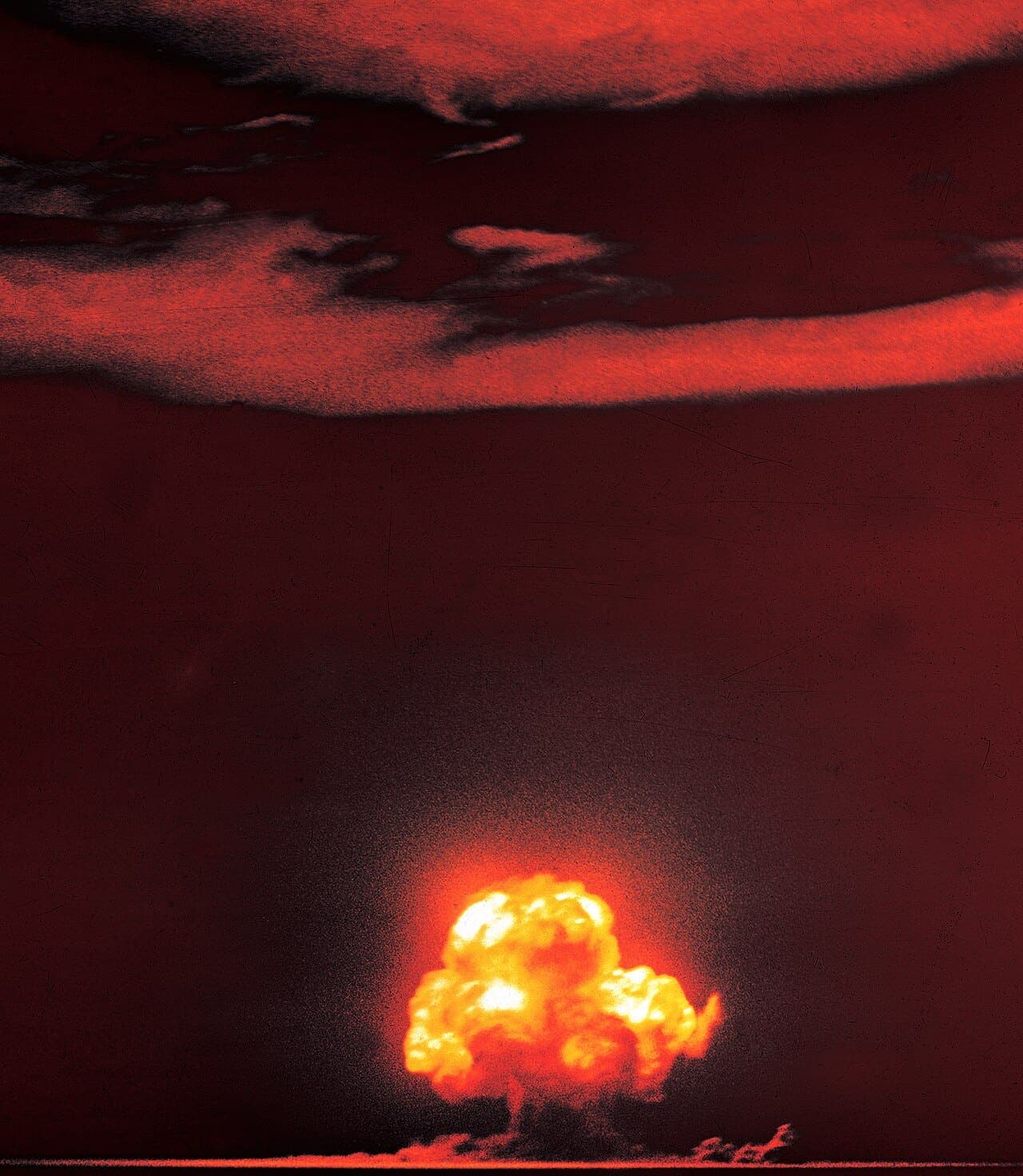
Manhattan Project: How Oppenheimer Built the Atomic Bomb
The Manhattan Project built the first nuclear weapons from 1942 to 1945. Follow the path from Einstein's warning letter to Trinity and Hiroshima.
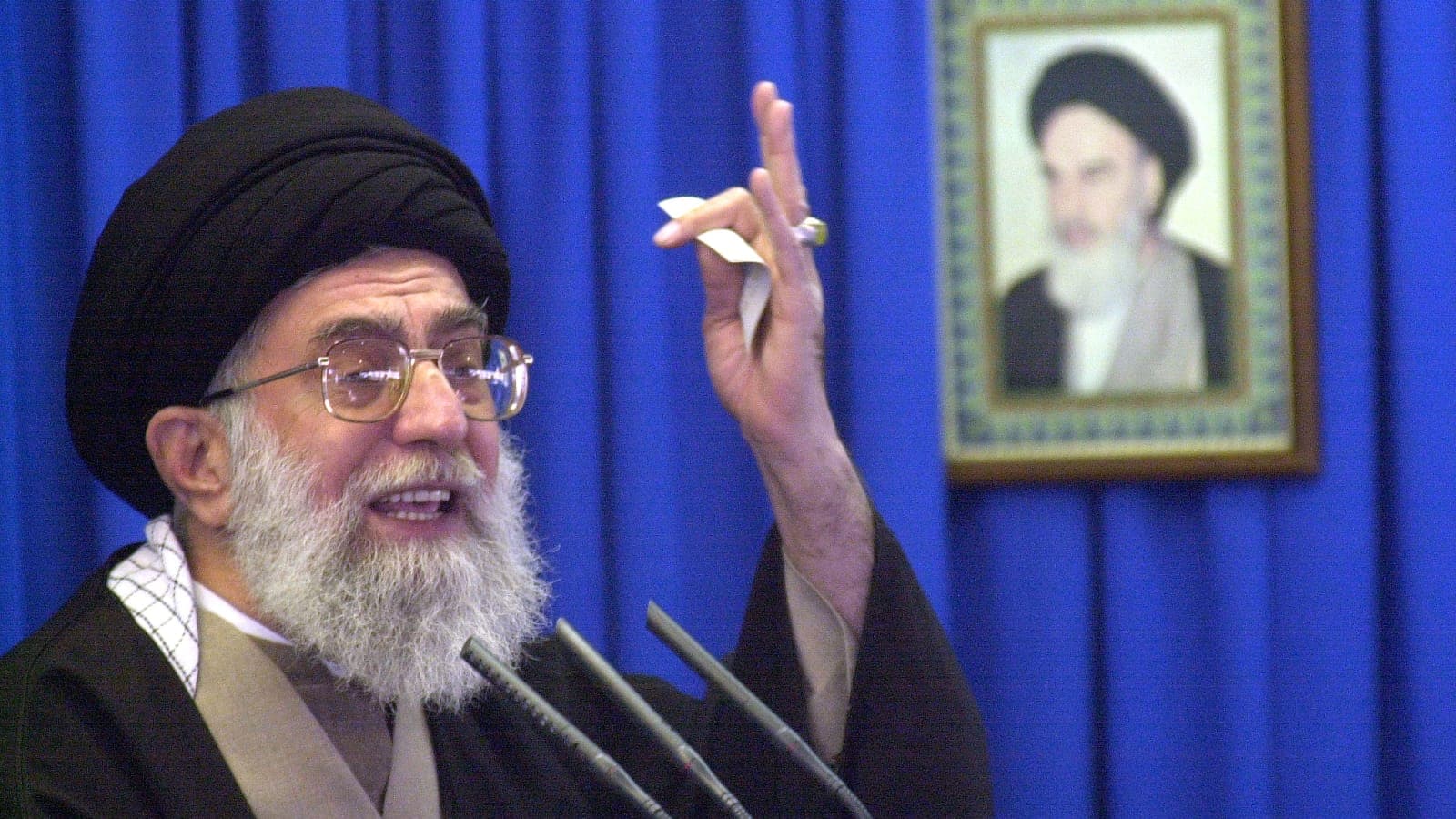
Ali Hosseini Khamenei: Biography, Power, and Nuclear Legacy
Biography of Iran's supreme leader, his power network, financial empire, nuclear strategy, and the succession crisis after his death in 2026.
India vs Pakistan Nuclear Weapons: A Complete 2026 Comparison
India vs Pakistan nuclear comparison: warheads, delivery systems, doctrines, defense spending, and how Kashmir escalation could strain deterrence.