Iran Live News: Death Toll 1,045; Turkiye Reports Intercept
Iran live news: Iran death toll at 1,045; Turkiye says missile destroyed, with verified timeline, casualty breakdown, and source-by-source analysis.
Staff Reporting and Analysis. Produces source-backed reporting, explainers, and reference pages on nuclear risk, proliferation, and escalation dynamics.
Key Sources
Start with the strongest supporting documents and reporting behind this page.
Country Profiles Mentioned
Open the profile pages for the countries referenced directly in this article.
Related Rivalries
These comparison pages help place this article inside the broader balance of power and rivalry structure.
Rivalry
Iran Crisis 2026 vs 2019 Tensions: What's Different This Time
How the 2026 Iran crisis differs from 2019: leadership decapitation, larger retaliation, Hormuz closure risk, and a sharper nuclear escalation path.
2026-03-03
Rivalry
Iran War vs Iraq War: How the 2026 and 2003 Conflicts Compare
Iran 2026 vs Iraq 2003 compared across legal authority, coalition structure, force design, economic shock, and the central role of nuclear risk.
2026-03-03
Rivalry
Is This Like the Cuban Missile Crisis? Comparing 1962 and 2026
A 1962 vs 2026 comparison of decision windows, nuclear proximity, escalation control, and why the Iran crisis is framed as a modern Cuban Missile moment.
2026-03-03
Related Doctrines
These explainers provide the strategic concepts behind the escalation, deterrence, and risk logic discussed here.
Doctrine
What Is the Strait of Hormuz?
What is the Strait of Hormuz? A practical explainer on its geography, oil-flow importance, military vulnerability, and global economic consequences of closure.
2026-03-03
Doctrine
What Are Proxy Wars?
What is a proxy war? Learn how major powers fight through partners, why this model persists, and how Iran's network affects today's Middle East escalation.
2026-03-03
Doctrine
What Happens If Iran Gets Nuclear Weapons?
If Iran obtained nuclear weapons, effects could include regional arms races, Israeli strike pressure, oil-market shocks, and broader nonproliferation fallout.
2026-03-03
Iran live news: Iran death toll at 1,045; Turkiye says missile destroyed is the central update on Wednesday, March 4, 2026, as casualty counts rose, long-range missile defence expanded into the eastern Mediterranean, and political pressure increased in Washington and across the Gulf.
Two-Sentence Summary
Iran live news: Iran death toll at 1,045; Turkiye says missile destroyed now combines three critical developments in one cycle: a higher Iranian fatality count, the first reported NATO-linked intercept involving a missile fired from Iran toward Turkey, and continued verification of US military casualties in Kuwait. Across major live sources, the most stable reading is that the war is widening geographically while reported casualty numbers are still being revised and should be treated as provisional.
The latest Al Jazeera liveblog frames the day around two headline facts: Iran's toll crossing 1,000 and Turkey saying a missile was destroyed by NATO air-defence systems over the eastern Mediterranean. USA Today's live file independently reports both a 1,045 death-toll update and a later NATO/Turkey missile update, while BBC details identity confirmation for four of six US soldiers killed.
Iran Live News: Iran Death Toll at 1,045; Turkiye Says Missile Destroyed Timeline
Here is the high-confidence chronology from the source set you provided:
| Time (UTC) | Development | Source |
|---|---|---|
| 12:29 | Iran death toll reported at 1,045, up from earlier lower figures | USA Today live update |
| 12:41 | Al Jazeera tracker refresh shows Iran 1,045 dead and country-by-country casualty table | Al Jazeera live tracker |
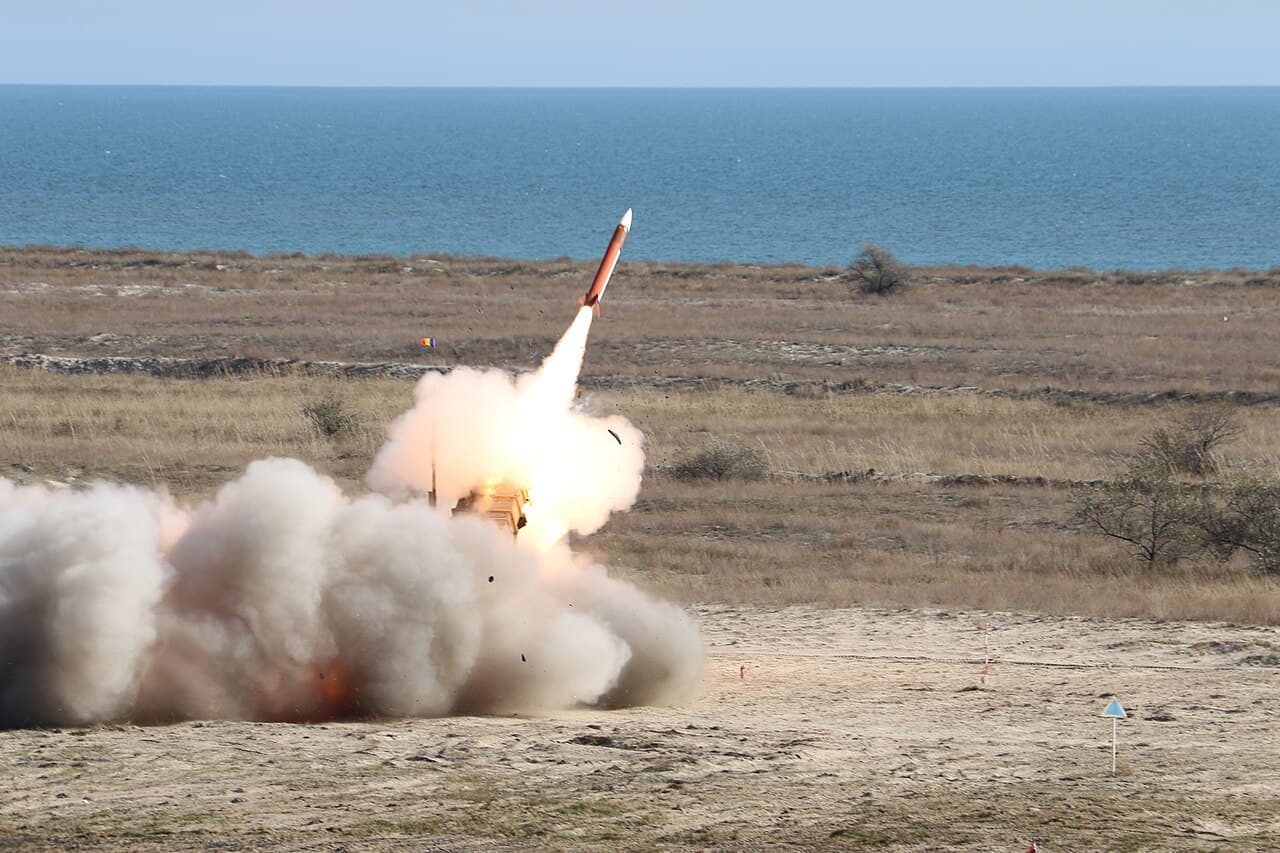
| 19:34 | NATO air defences reported to have destroyed a ballistic missile fired from Iran toward Turkey | USA Today live update, Al Jazeera report |
| 19:08 | BBC update confirms identities of four of six US service members killed in Kuwait strike context | BBC News |
The key point for analysts: the death-toll headline and missile-destroyed headline are not separate stories anymore. They represent a single escalation picture: rising human cost and expanding defensive engagement footprint.
Casualty Snapshot Across Countries (Al Jazeera Tracker)
The Al Jazeera live tracker gives the most consolidated regional casualty table in your source set (as of Wednesday 12:00 GMT in that tracker update):
| Location | Killed | Injured |
|---|---|---|
| Iran | 1,045 | Hundreds |
| Israel | 11 | Hundreds |
| US soldiers | 6 | 18 |
| Bahrain | 1 | 4 |
| Iraq | 2 | 5 |
| Jordan | 0 | 5 |
| Kuwait | 4 | 35 |
| Lebanon | 50 | 335 |
| Oman | 1 | 5 |
| Qatar | 0 | 16 |
| Saudi Arabia | 0 | 0 |
| UAE | 3 | 68 |
The same tracker also reports that Iran says it has struck bases in multiple countries and that many attacks were intercepted. This is why air-defence capacity and warning systems are now driving headlines as much as strike counts.
Why the 1,045 Figure Moved So Fast
The 1,045 figure appears in both USA Today's live update and Al Jazeera's tracker/liveblog framing, but each source also preserves earlier lower estimates. For example, USA Today notes that Iran's Red Crescent had previously put the toll at 787.
That means the number should be read as:
- a real-time update, not a final count,
- partly dependent on local agency reporting and access,
- subject to revision as hospital, provincial, and military records are reconciled.
What BBC Adds That Liveblogs Miss
Liveblogs are strong on speed; BBC's piece is stronger on casualty attribution detail. In BBC's report, the Pentagon identifies four of the six US personnel killed and places the fatal strike at a command centre in Port Shuaiba, Kuwait. BBC also reports that US officials said the death toll doubled after one service member died of injuries and two more bodies were recovered.
This matters because casualty identity confirmation is a major threshold in conflict reporting quality and public accountability.
Missile Intercept in the Eastern Mediterranean: Why It Matters
Two linked sources in your packet describe this event:
The operational significance is less about one missile and more about scope:
- the engagement reached NATO-linked air-defence architecture,
- Turkey's geography makes it a key spillover boundary,
- allied command-and-control risk rises when intercept zones expand.
Both sources indicate the intended target was unclear at the time of reporting.
What This Update Changes Strategically
This update matters for more than headline monitoring because it shifts three separate risk indicators at once:
- Casualty scale: A higher Iran fatality count changes the political pressure on Iranian leadership and outside governments.
- Geographic scope: A NATO-linked intercept near Turkey suggests the conflict's defensive perimeter is widening beyond the core Gulf-Israel corridor.
- Alliance management: Once air-defence coordination expands across more states, the risk of misinterpretation, overreaction, or accidental escalation rises with it.
That combination is why this page matters as more than a single liveblog snapshot. It captures a moment when the war's human cost, military geography, and alliance exposure all moved in the same direction.
What to Track Next
If you are monitoring this story hour by hour, prioritize these indicators:
- whether the 1,045 toll is independently matched by additional agencies,
- whether any follow-up clarifies the intended target of the intercepted missile near Turkey,
- whether casualty counts for US personnel change beyond six killed,
- whether Gulf-country injury totals continue to rise from debris and intercept fallout.