Iran Confirms Khamenei Killed in US-Israeli Strikes
Iran confirmed Supreme Leader Ali Khamenei was killed in February 28, 2026 strikes on Tehran, triggering a succession crisis and sharper regional escalation.
Staff Reporting and Analysis. Produces source-backed reporting, explainers, and reference pages on nuclear risk, proliferation, and escalation dynamics.
Key Sources
Start with the strongest supporting documents and reporting behind this page.
Country Profiles Mentioned
Open the profile pages for the countries referenced directly in this article.
Related Rivalries
These comparison pages help place this article inside the broader balance of power and rivalry structure.
Rivalry
Is This Like the Cuban Missile Crisis? Comparing 1962 and 2026
A 1962 vs 2026 comparison of decision windows, nuclear proximity, escalation control, and why the Iran crisis is framed as a modern Cuban Missile moment.
2026-03-03
Rivalry
Iran Crisis 2026 vs 2019 Tensions: What's Different This Time
How the 2026 Iran crisis differs from 2019: leadership decapitation, larger retaliation, Hormuz closure risk, and a sharper nuclear escalation path.
2026-03-03
Rivalry
Iran vs Israel Military Power: A Complete 2026 Comparison
Iran vs Israel military comparison across manpower, airpower, missile inventories, defense spending, and the nuclear deterrence balance in 2026.
2026-03-03
Related Doctrines
These explainers provide the strategic concepts behind the escalation, deterrence, and risk logic discussed here.
Doctrine
What Is the Strait of Hormuz?
What is the Strait of Hormuz? A practical explainer on its geography, oil-flow importance, military vulnerability, and global economic consequences of closure.
2026-03-03
Doctrine
What Is Mutually Assured Destruction (MAD)?
What is mutually assured destruction (MAD)? We explain the doctrine, Cold War logic, modern criticisms, and why MAD still shapes nuclear strategy.
2026-03-03
Doctrine
Can the US Shoot Down a Nuclear Missile?
Can the US intercept a nuclear missile? This guide explains GMD, Aegis, THAAD, and why layered defenses still face major limits against large barrages.
2026-03-03
What Happened
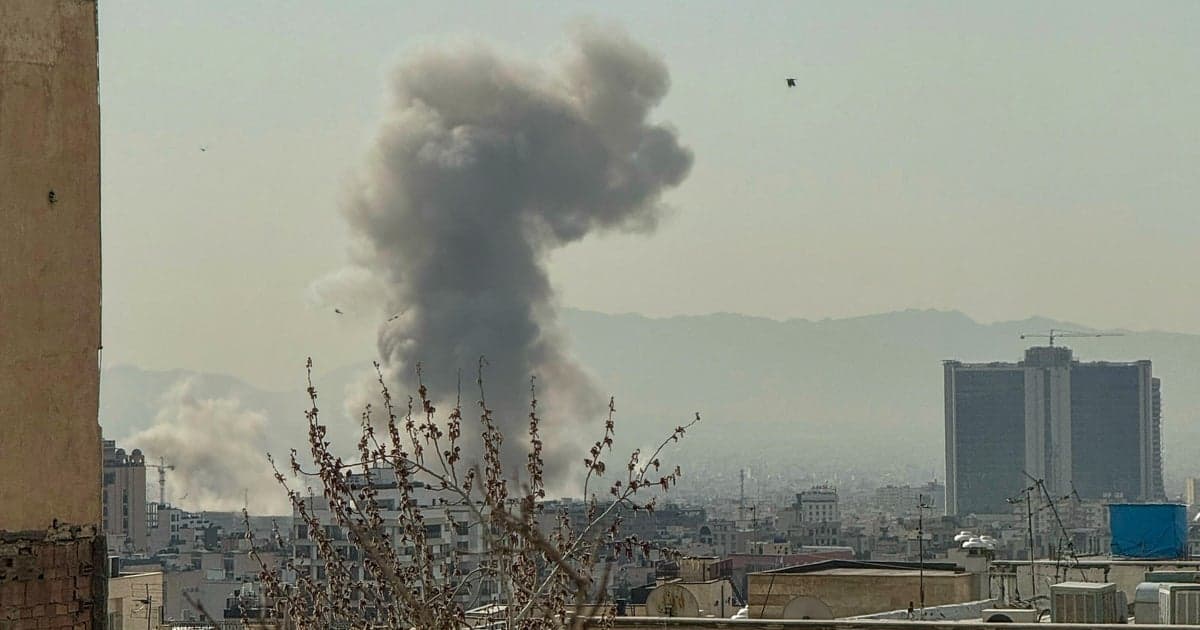
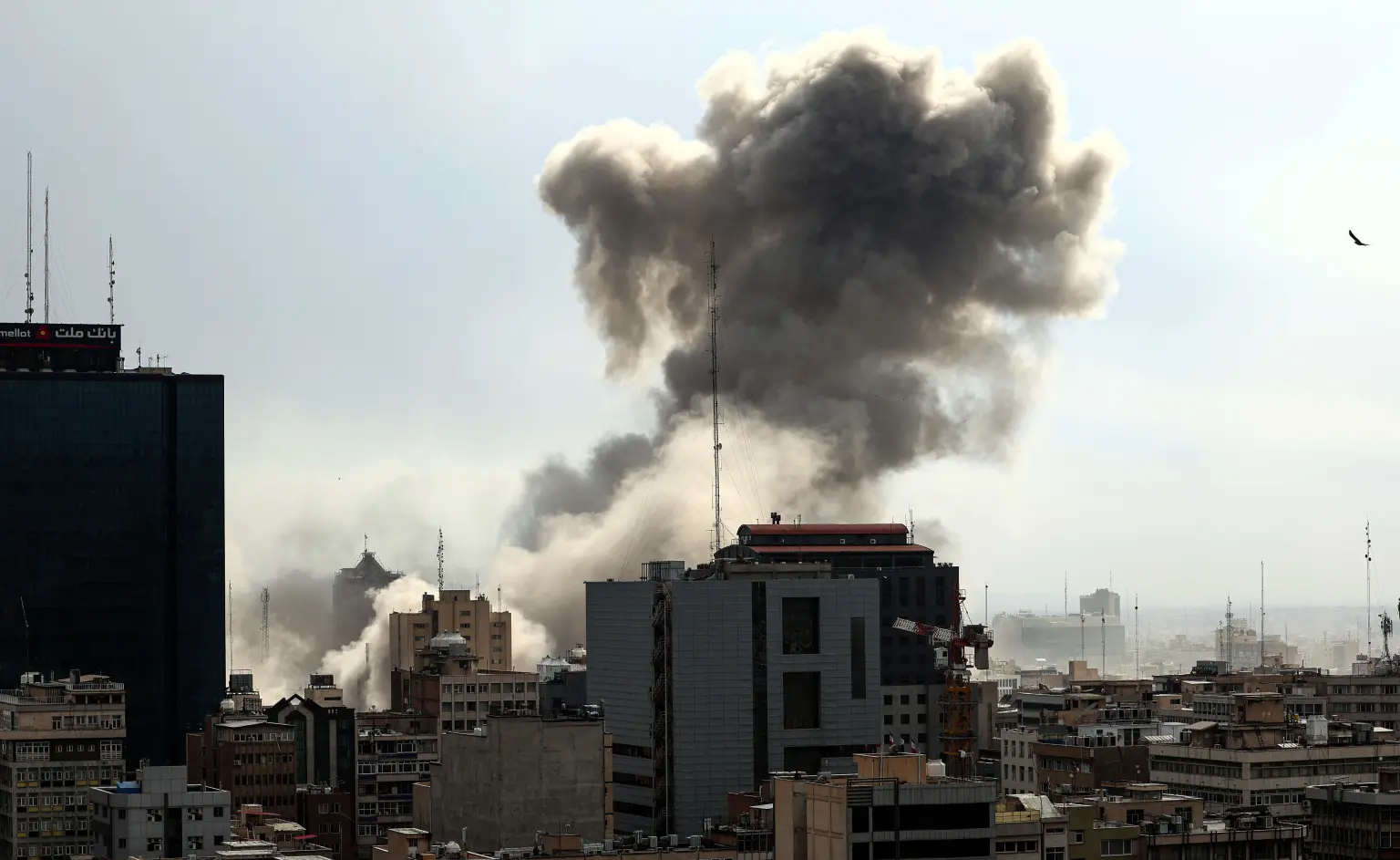
On February 28, 2026, a joint US-Israeli military operation struck the fortified compound of Iran's Supreme Leader Ayatollah Ali Khamenei in central Tehran. Iranian state media confirmed his death hours later, along with multiple senior military commanders and government officials.
The operation — designated "Operation Roaring Lion" by Israeli forces — struck targets across 24 of Iran's 31 provinces in what military analysts describe as the largest coordinated air campaign against a sovereign nation since the 2003 invasion of Iraq.
Why the Clock Moved
This event triggered the largest single adjustment in NukeClock Live history: 15 seconds closer to midnight. The unprecedented nature of the strike demands the most severe recalibration:
- Targeted assassination of a sovereign head of state — no precedent exists for this action against a nuclear-threshold country
- Destruction of nuclear command infrastructure — the chain of custody over Iran's nuclear materials enters uncharted territory during the succession crisis
- Multi-front escalation risk — Iran's proxy network across the Middle East is now operating without centralized strategic direction
- Nuclear escalation threshold lowered — remaining Iranian leadership may view nuclear breakout as the only guarantee against further decapitation strikes
The Succession Crisis
Iran's constitution provides for an interim leadership council comprising the president, the head of the judiciary, and a senior cleric selected by the Assembly of Experts. However, with an estimated 40 senior officials killed in the strikes, the established succession mechanism faces extraordinary strain.
The Islamic Revolutionary Guard Corps (IRGC) retains operational independence and significant military capability. Without centralized civilian oversight, the risk of unauthorized military escalation — including actions at Iran's enrichment facilities — increases substantially.
Nuclear Implications
Iran's nuclear infrastructure at Fordow, Isfahan, and Natanz reportedly sustained damage during the strikes. The International Atomic Energy Agency faces the most critical monitoring challenge in its history: verifying the status of enriched uranium stockpiles during an active military conflict and political vacuum.
Key concerns for nuclear analysts:
- Enrichment facility status — were centrifuges destroyed or merely damaged?
- Stockpile security — who controls the existing enriched uranium inventory?
- Breakout timeline — does the remaining scientific establishment have incentive to accelerate toward a weapon?
What This Means for Global Security
The targeted killing of a sitting head of state fundamentally changes the calculus of nuclear deterrence. If nuclear-threshold states cannot rely on leadership survival as a deterrent, the incentive to acquire deliverable nuclear weapons increases for every state in a similar position.
This has implications far beyond the Middle East. North Korea, which closely watches US military actions against adversaries, may draw conclusions about the necessity of a larger and more survivable nuclear arsenal.
The immediate consequences are already unfolding: Iran launched retaliatory strikes against US bases across the Gulf within 48 hours, while the IAEA has been denied access to verify the status of nuclear material at struck facilities. The US responded with a massive military buildup and President Trump pledged continued strikes. For a full assessment of where this crisis goes from here, see our nuclear threat assessment.
Read more about how this conflict fits into the broader Iran nuclear proliferation topic and understand how nuclear deterrence works in the context of this crisis.