Articles Tagged Nuclear Weapons
10 articles tagged “Nuclear Weapons”.
Need cross-format coverage (articles, explainers, and sitreps)? View the full Nuclear Weapons archive.
This focused archive stays available for navigation but is marked noindex so Google can prioritize the stronger cross-format tag hub.
Why This Tag Matters
Source-backed reporting on nuclear arsenals, doctrine, modernization trends, and comparative force balance across states.
This archive connects strategic theory to current events, including triad readiness, deterrence credibility, and breakout concerns. Explore Nuclear Weapons & Proliferation.
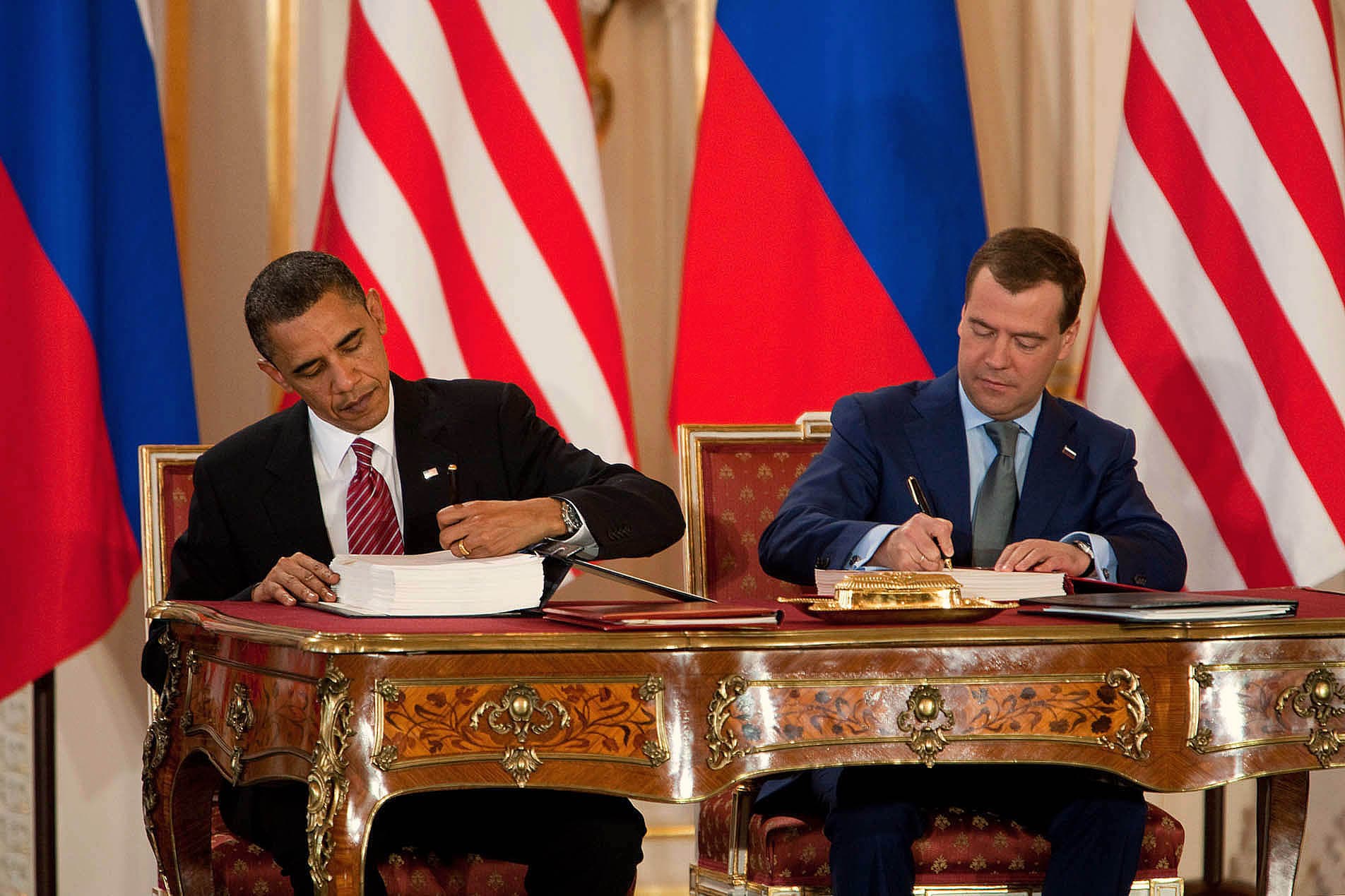
New START Treaty Expiration 2026: What Changes Now
New START treaty expiration 2026 ended verified U.S.-Russia limits. See what changes for warheads, inspections, and escalation risk now.
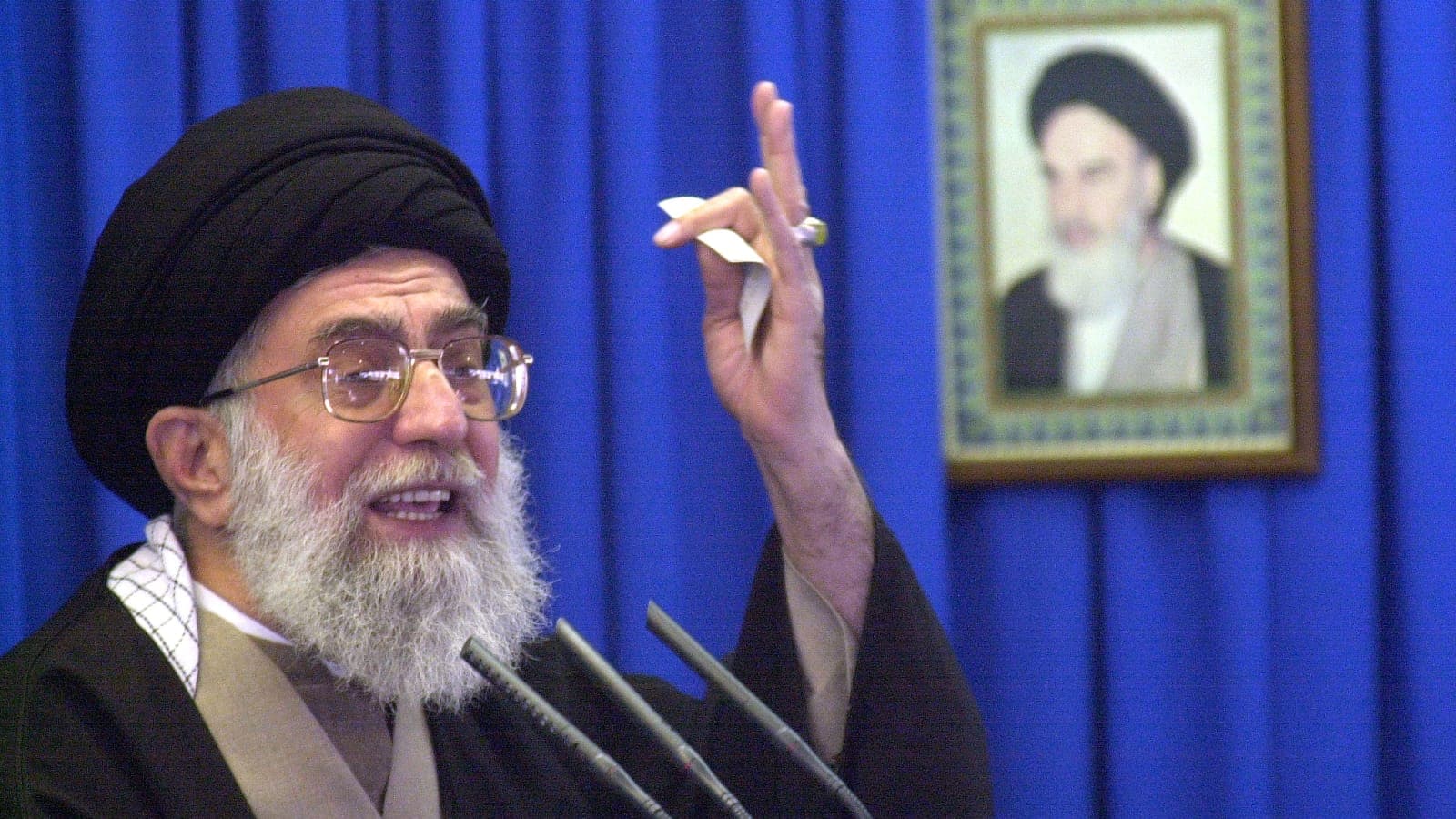
Ali Hosseini Khamenei: Biography, Power, and Nuclear Legacy
Biography of Iran's supreme leader, his power network, financial empire, nuclear strategy, and the succession crisis after his death in 2026.
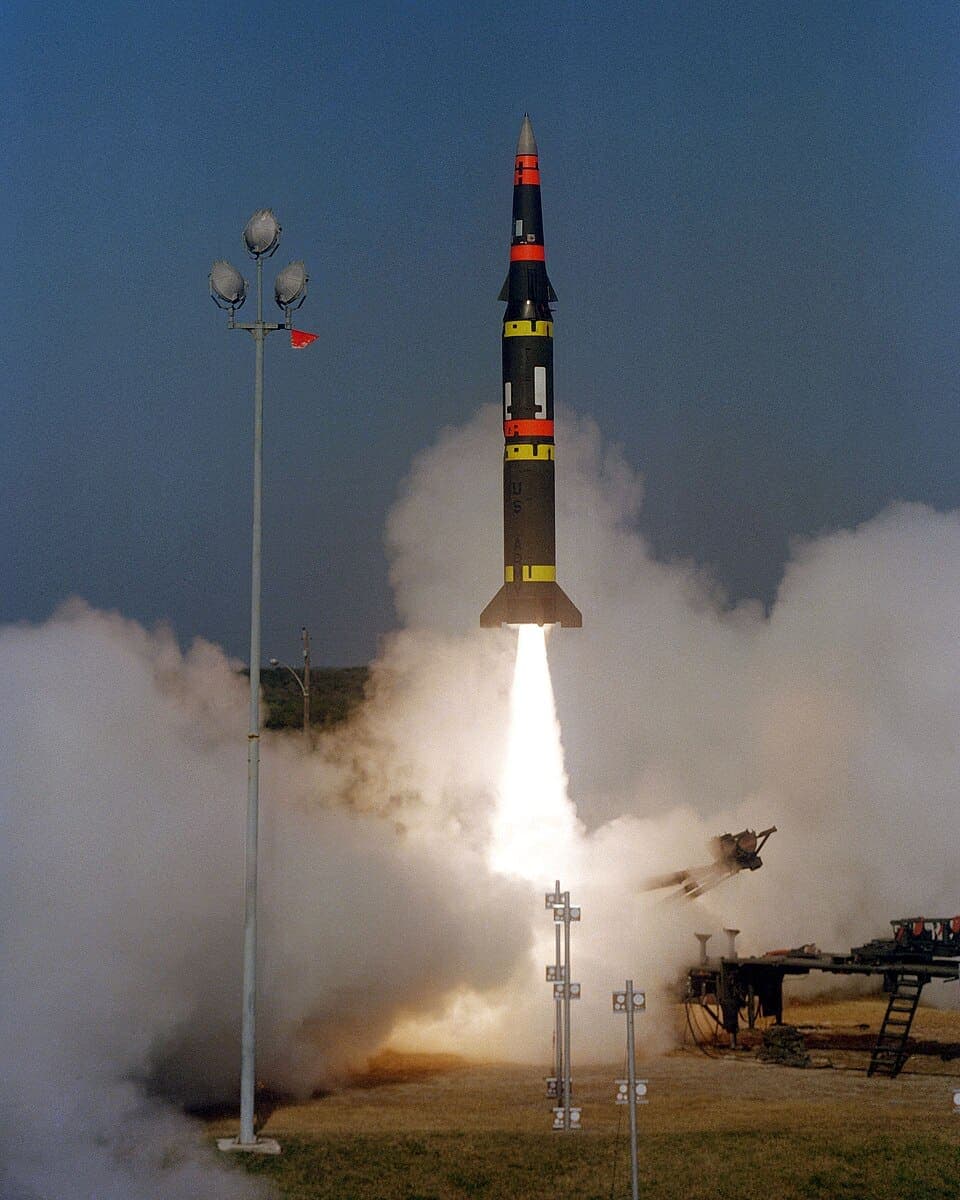
Able Archer 83: The 1983 Nuclear War Scare Explained
Able Archer 83 was a NATO drill in November 1983 that Moscow misread as a first strike, pushing Cold War tensions to their most dangerous point.
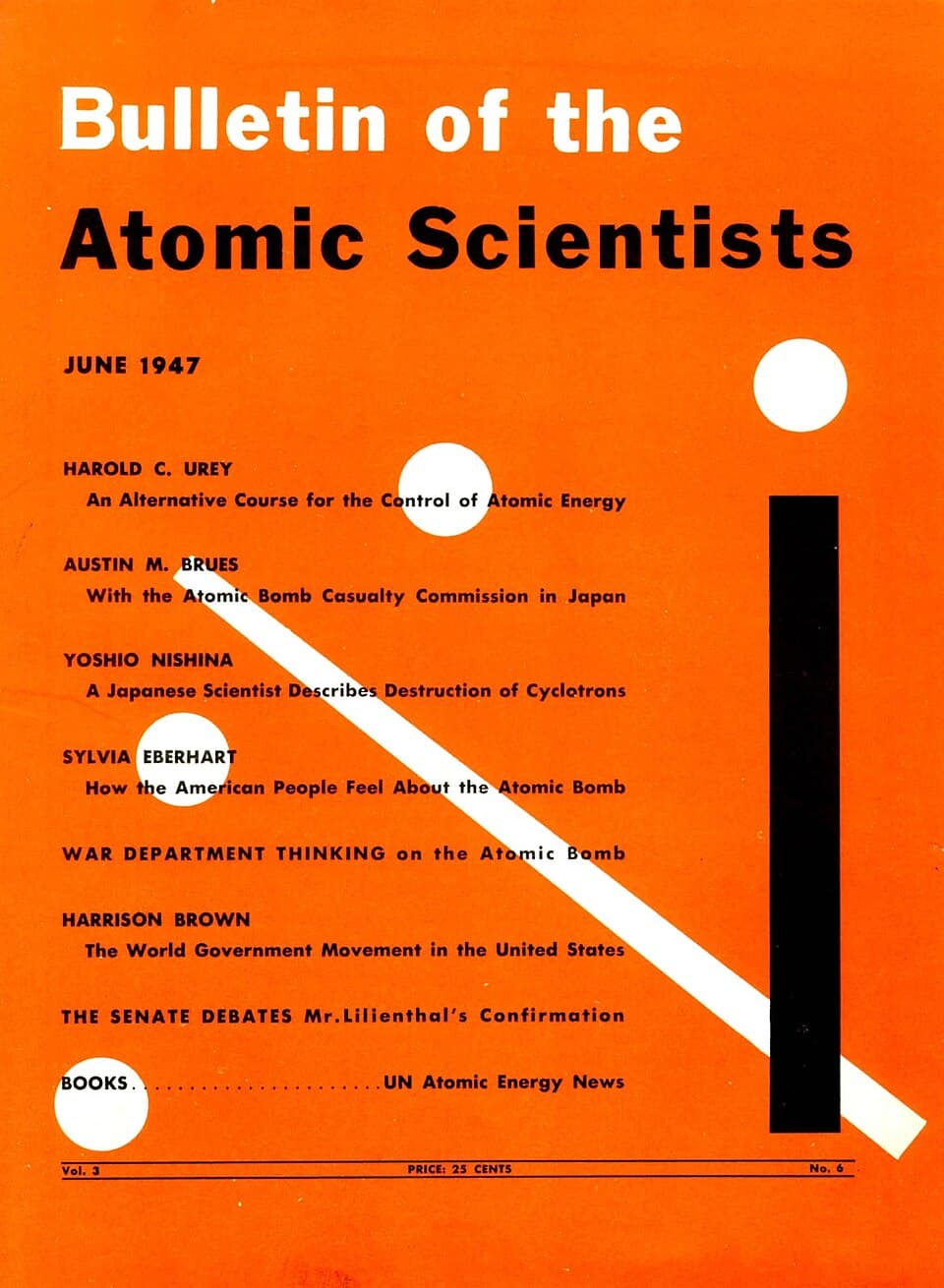
Doomsday Clock History: Every Setting From 1947 to 2025
Doomsday Clock history year by year: from 7 minutes to midnight in 1947 to 89 seconds in 2025. Full timeline of every setting, what changed, and why it matters.
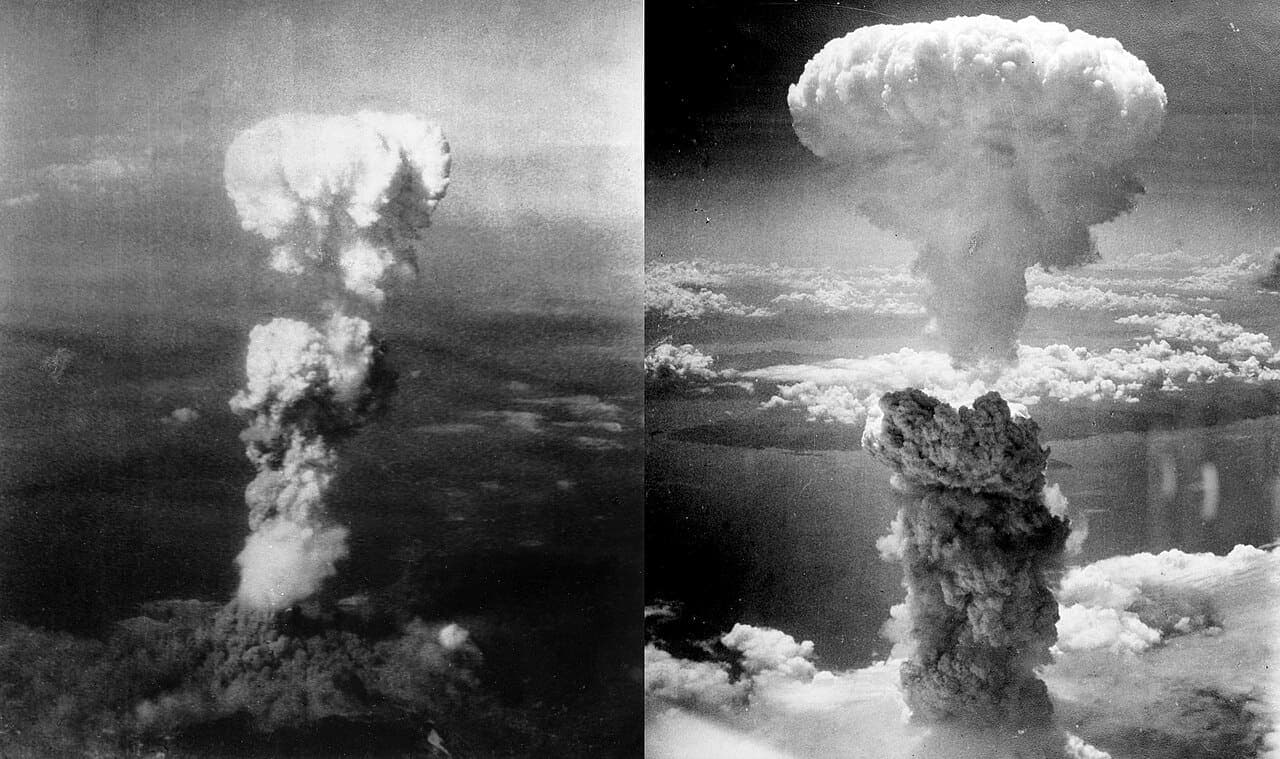
Hiroshima and Nagasaki: What Happened When the Bombs Fell
On August 6 and 9, 1945, U.S. atomic bombs devastated Hiroshima and Nagasaki. Here is what happened, who died, and what radiation did after.
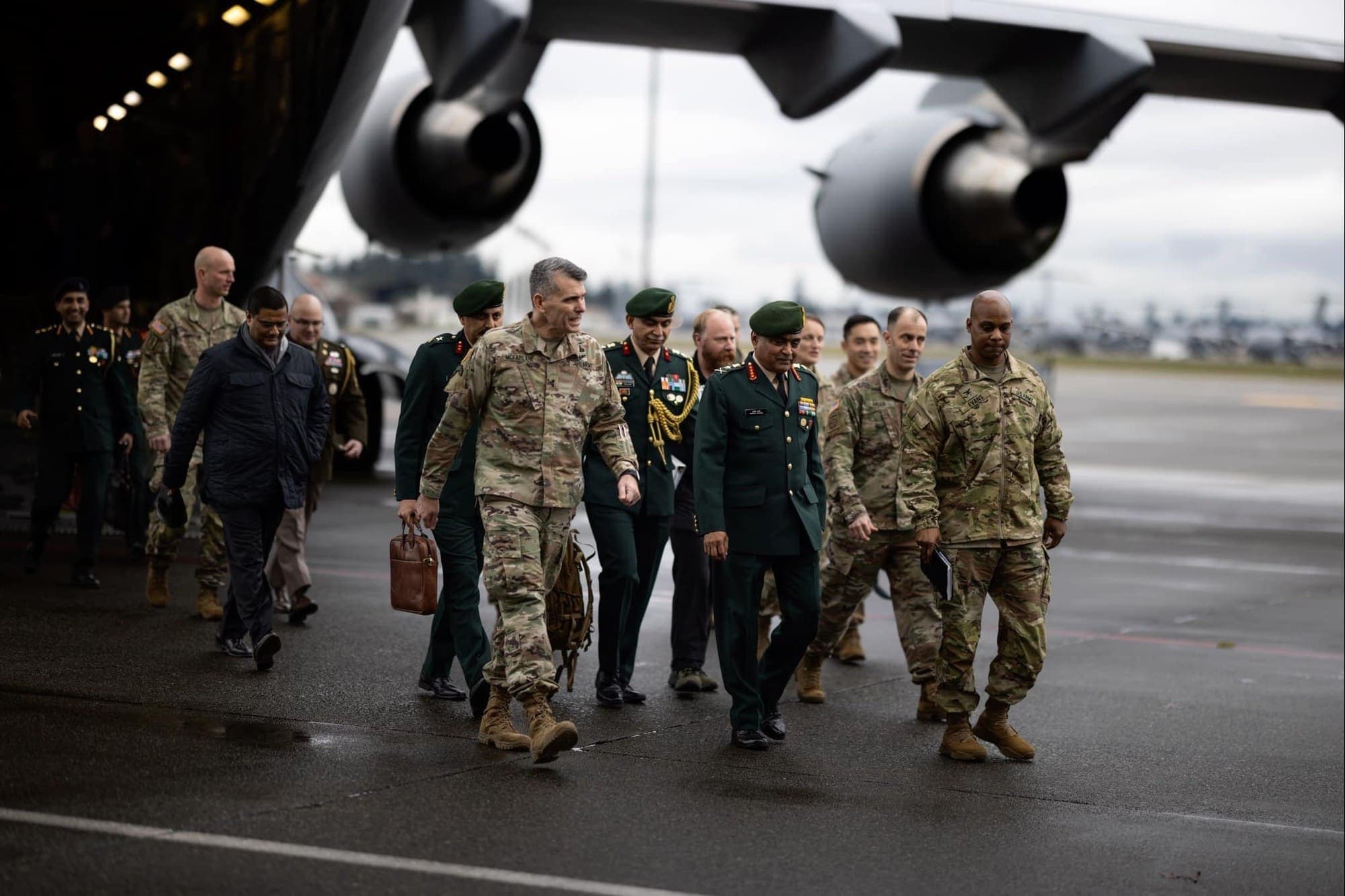
India vs Pakistan Nuclear Weapons: A Complete 2026 Comparison
India vs Pakistan nuclear comparison: warheads, delivery systems, doctrines, defense spending, and how Kashmir escalation could strain deterrence.
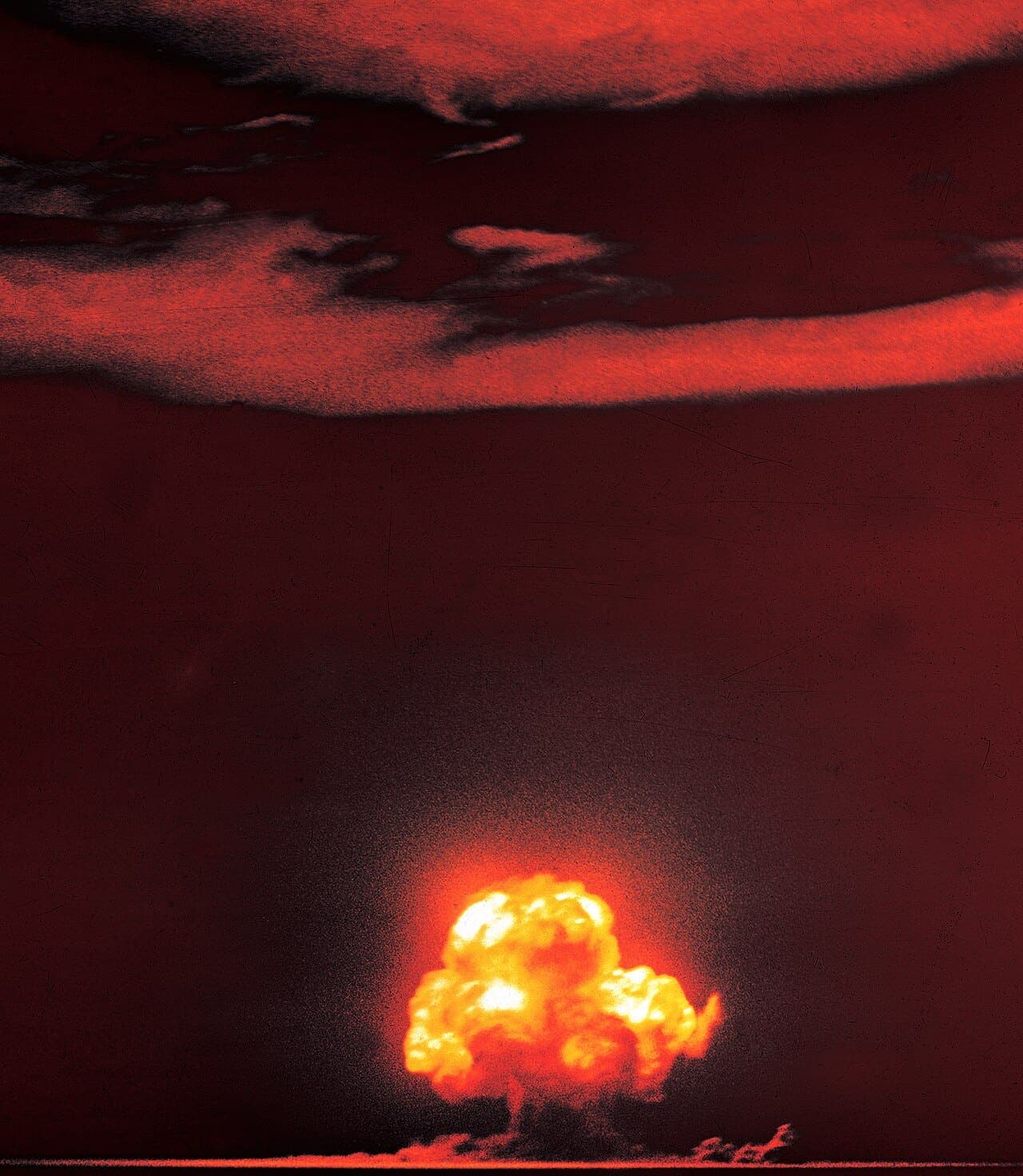
Manhattan Project: How Oppenheimer Built the Atomic Bomb
The Manhattan Project built the first nuclear weapons from 1942 to 1945. Follow the path from Einstein's warning letter to Trinity and Hiroshima.
Russia vs US Nuclear Forces: 2026 Strategic Comparison
Russia and US nuclear forces compared by warheads, delivery systems, modernization, spending, and doctrine across the world's two largest arsenals.
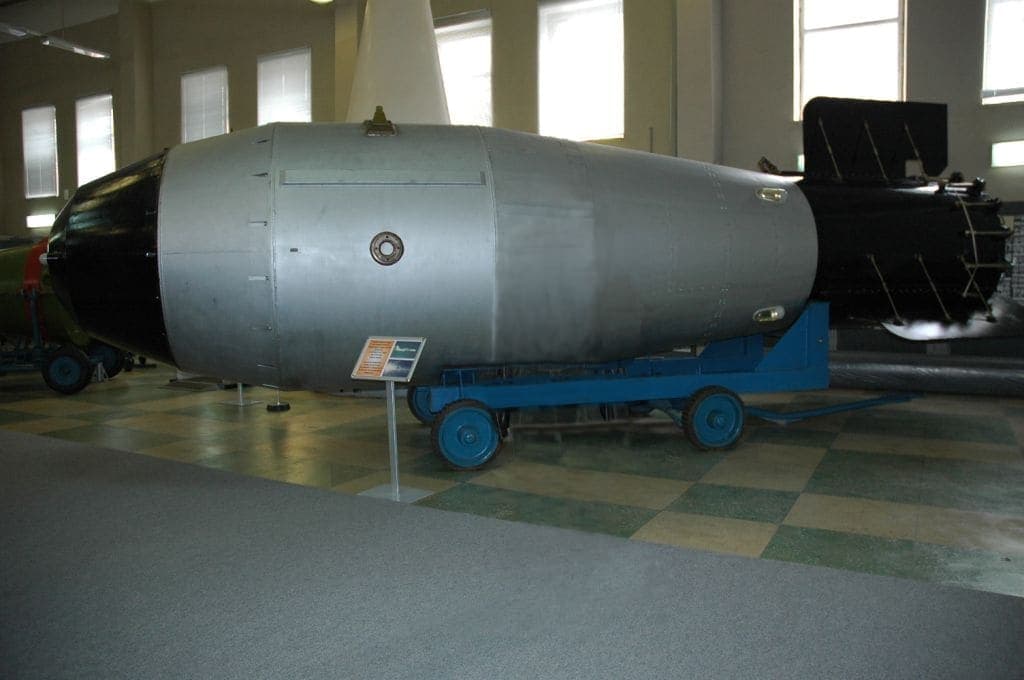
Tsar Bomba: The Biggest Nuclear Weapon Ever Tested
Tsar Bomba, tested by the Soviet Union on October 30, 1961, yielded about 57 megatons, becoming the most powerful man-made explosion ever recorded.
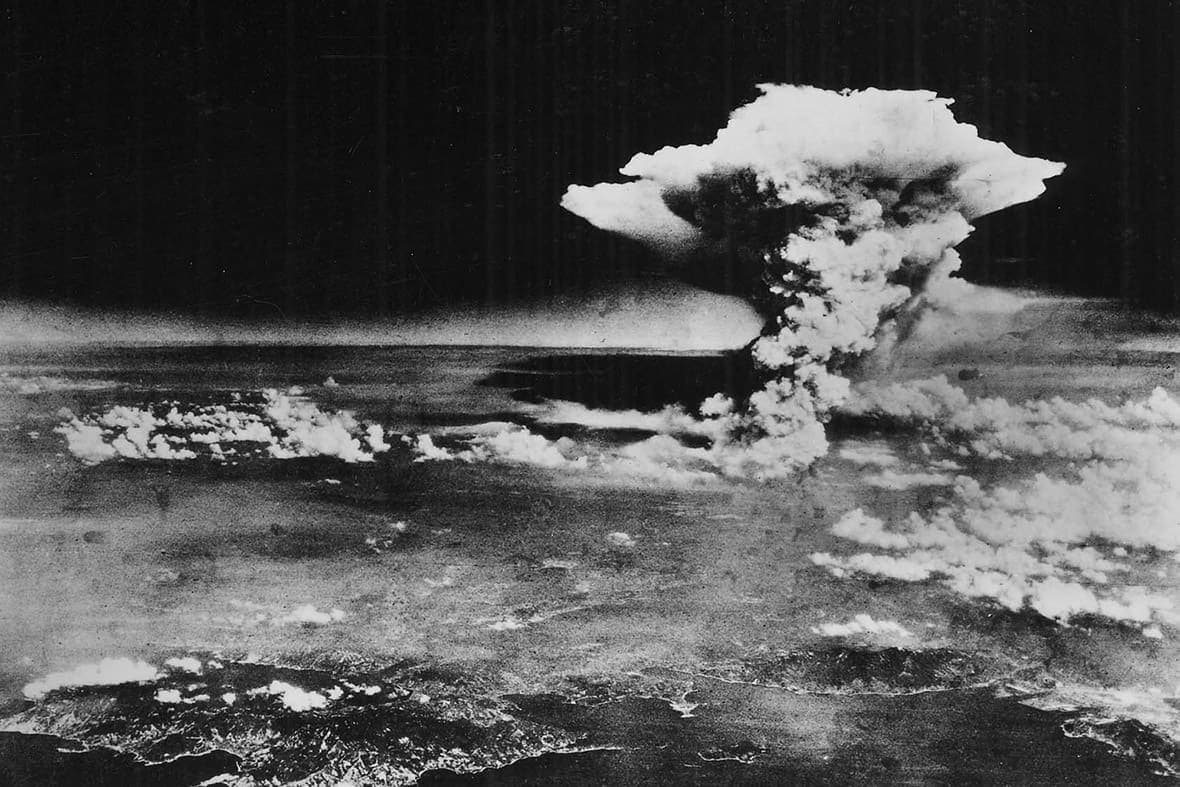
What Would Happen If Nuclear War Started? A Step-by-Step Guide
What happens if nuclear war starts? From first launch to nuclear winter: blast zones, fallout, infrastructure collapse, and long-term survival risks.